
Alveolar osteitis, often called dry socket, is a post-extraction oral condition in which the blood clot in the empty tooth socket of the alveolus is disrupted or lost early. During normal healing, this blood clot provides a biological barrier to protect exposed underlying bone surfaces and deep nerve pathways. Once the blood clot is knocked out, the denuded socket bone becomes inflamed, leading to intense, throbbing pain that makes it difficult for healthy oral tissue to regenerate and heal.
This article outlines the signs and symptoms of dry socket, compares the timeline of post-surgical pain with that of dry socket, and identifies the primary causes of dry socket, ranging from surgical trauma to negative pressure.
How Does a Dry Socket Feel?
Although the pain from surgery slowly fades with time, dry socket causes sudden, intense pain that is quite different from normal surgical pain. Recognizing these specific sensory cues allows you to find relief in time and target the situation before it worsens.
Deep, Pulsing Jawbone Ache
If the clot dislodges from the socket too early, the jawbone is exposed to the air, saliva, and food. This is mainly felt as a persistent, deep pain in your jawbone. This is not a typical gum tenderness or muscle stiffness that follows a superficial gum extraction procedure, but rather a deep, pulsating pain. Every time your heart beats, it echoes through the bare bones of the socket, creating a pounding that interferes with sleep, focus, and everyday tasks.
This is a localized osteitis in which the denuded jawbone results in continuous firing of exposed nerve fibers. In the absence of a normal blood clot, airflow from your mouth during speaking or breathing can cause sudden, intense stabbing pain, which may turn into a pounding, rhythmic pain. This internal resonance can be worsened by simple movements such as drinking liquids, adjusting head posture, or gently closing the mouth.
This bone inflammation is often severe and chronic, leading to the involuntary contractions of the jaw muscles around the inflamed bone, which can result in additional tension headaches and severe muscle pain in the jaw area.
Radiating Discomfort Across Your Face
The trigeminal nerve supplies all of your facial senses, including your teeth and jaw. High-intensity pain signals are sent out along these shared neural channels when the nerve endings inside your alveolar socket are constantly irritated by air, saliva, and bacterial waste. As a result, you feel discomfort when you move far from the extraction site.
This referred pain generally follows a few clear-cut pathways in your face and head:
- Rising radiation to your ear canal and temple on the affected side, as if you had a severe, aching earache
- Discomfort that radiates up to your cheekbone, lower eye socket, and neighboring sinus cavities
- Aching sensation that radiates laterally down the lower jawline, where healthy adjacent teeth are bruised, tender, and hyper-reactive
- Soreness that radiates down the side of the jaw, down to the front triangle of your neck
Resistance to Standard Over-the-Counter (OTC) Pain Relievers
Another indicator of a dry socket is if normal painkillers don’t work. If the tooth extraction is uncomplicated, the normal post-surgical pain can be treated reliably with common non-steroidal anti-inflammatory pain relievers (NSAIDs) such as ibuprofen or with acetaminophen. If you do get alveolar osteitis, though, you’ll soon realize that these common OTC pain relievers don’t do much to ease your pain.
The American Dental Association (ADA) clinical guidelines for acute dental pain management state that conventional nonprescription analgesics are the most effective for reducing soft-tissue prostaglandin levels. In alveolar osteitis, however, the pain is due to exposure of bare bone and direct physical irritation of unprotected nerve endings.
If you have severe pain in the jaw that won’t go away with regular pain medication, it’s a clear sign that you need more focused treatment on the extraction site instead of higher doses of pain medication.
Diagnostic Distinctions
Telling normal extraction soreness apart from a dry socket spares you needless worry and ensures complications receive immediate clinical care. While normal surgical healing follows a predictable, gradual day-to-day course, a dry socket represents an obvious deterioration. Assessing the timing of the symptoms, the physical characteristics of the site, and oral sensory abnormalities is critical for understanding your healing course.
Symptom Trajectory and the Day Three-to-Five Reversal
The only way to gauge if your surgical recovery is on track is to keep an eye on the direction your symptoms are going instead of just how much pain they cause. After a tooth is extracted, an acute inflammatory response peaks within the first 24-48 hours. In this early phase, moderate swelling, mild oozing, and localized aching are normal as your body begins to repair tissue. These baseline symptoms should steadily improve on day 3.
This is the opposite of how alveolar osteitis will heal. Patients often experience a short time of reasonable comfort after the extraction and then a rapid and intense onset of pain between days 3 and 5 after surgery. The pain is heightened on day 4 when a damaged clot has finally broken down or been loosened by physical suction or fibrinolytic enzymes. If you see and feel that your extraction site is significantly more painful on day four than it was on day two, you are seeing the main clinical symptom of a dry socket and not tissue healing.
Visual Indicators of a Compromised Extraction Site
A visual inspection with a focused light source offers firsthand physical evidence of your extraction socket’s health. In a natural healing process, you will notice a dark red, maroon, or gelatinous blood clot firmly in place in the gum line of the socket. This dark coagulum forms naturally over days and is covered with a white or grayish layer of healthy granulation tissue, which consists of new collagen matrices and micro blood vessels that are actively remodeling the wound bed. A healing socket may feel somewhat uncomfortable, but it is not an infection.
An extraction site afflicted with alveolar osteitis presents an entirely different visual landscape when viewed in a mirror:
- A prominent, hollow void displaying the complete absence of a dark, gelatinous blood clot
- Distinctly visible patches of pale white, yellowish, or grayish alveolar bone lining the base and lateral walls of the socket
- A lack of vascular, pink granulation tissue develops along the lower bony margins.
- Trapped food debris and oral residues resting undisturbed against the bare bony floor of the hollow socket
Associated Sensory Hallmarks
In addition to the intense pain, alveolar osteitis often changes your mouth’s appearance and smell by creating obvious taste and smell changes. If a blood clot is prematurely lost, the empty socket becomes an open receptacle in your mouth. Food particles from your food and dead epithelial cells and saliva regularly enter this deep space and stick to the rough, porous surfaces of your exposed jawbone. Routine oral hygiene can’t reach into the fragile, open socket and clean it safely, so these organic residues are quickly broken down in the warm, moist mouth.
The stagnant debris harbors native oral bacteria that multiply and break it down into foul-smelling volatile sulfur compounds, which cause chronic bad breath (halitosis). At the same time, you have a bad taste in your mouth that’s constantly there, even after you have just gently rinsed your mouth.
The unpleasant tastes and odors return quickly after using mouthwash because the debris left behind remains stuck to the bare bone. This unique sensory sensation, combined with delayed and increasing jaw pain, is almost conclusive for the clinical diagnosis of alveolar osteitis.
Primary Mechanisms and Risk Factors Behind Clot Breakdown
Understanding the reason for the blood clot’s failure will help you prevent damage to your mouth during the healing process. Dry socket occurs in three ways:
- Physical suction
- Inadequate blood flow in the area
- Damage from the surgery during tooth removal
Understanding these factors can help you safeguard your healing tissues and prevent unnecessary complications.
Mechanical Pressures and Negative Oral Suction
The blood clot that forms immediately after tooth extraction is a delicate biological structure that is present during the first 72 hours of healing. The clot is supported by thin networks of fibrin threads, which loosely attach it to the surrounding alveolar bone walls, and it has not yet developed any dense, organized connective tissue anchors. The negative pressure differentials created in your mouth can easily dislodge or even completely pull this fragile coagulum from its protective position.
Various routine oral actions create sufficient suction and physical disruption to detach the developing clot:
- Using plastic straws, narrow sports bottle caps, or special caps that fit into the bottle
- Spitting forcefully into a washbasin after brushing, rather than letting the water run out
- Aggressively rinsing the mouth, swishing, or gargling in the first few days after surgery
- Inhaling deeply against resistance using conventional cigarettes, e-cigarettes, or pipes
- Frequently licking, picking, and using a toothpick or utensils to explore the open extraction site
- Sneezing hard with a closed mouth or as if you are blowing your nose
The Chemical and Vascular Effects of Nicotine
Smoking has two effects on your mouth:
- The first is the sucking motion, which can dislodge the fragile clot from the socket.
- Second, nicotine is a strong blood vessel constrictor, which reduces blood flow through tiny blood vessels in your gums and jawbone.
This marked constriction diminishes the blood supply to the surgical site, which leaves the wound bed without the red blood cells, oxygen, and other important clotting factors needed to hold the new blood clot together.
Also, combustion products or chemical vapors are toxic and directly enter your healing tissues when you inhale them. Carbon monoxide binds to hemoglobin in the blood, lowering the blood's oxygen saturation and thereby limiting the metabolic fuel available to regenerating cells for repair.
Concurrently, chemical contaminants disrupt the migration and function of local fibroblasts and leukocytes, making the open wound very vulnerable to early breakdown of the enzymatic clot. The ADA confirms that patients who smoke or use nicotine in the first 72 hours after surgery are more than three times as likely to develop complications of dry socket.
Anatomical Location and Surgical Complexity
Although lifestyle factors play a major role in determining postoperative outcomes, inherent biological factors and surgical dynamics also influence your susceptibility to alveolar osteitis. Dry socket is linked to 2-5% of all routine extractions and 20-30% of surgical lower wisdom tooth extractions.
Several anatomical and biological factors increase the risk of clot displacement:
- The dense structure of the mandible is natural and does not have as many capillaries around it as the porous upper jaw does
- Third molar surgical extractions require extensive bone guttering, mechanical elevation, and cutting of the tooth
- Elevated circulating estrogen levels resulting from oral contraceptive medications, which clinical research shows stimulate fibrinolysis by activating plasminogen and breaking down clots prematurely
- Localized dental disease, such as periapical abscesses around the surgical tooth, pericoronitis, or active periodontal disease
- A patient with a history of dry socket after a previous extraction
Actionable Steps For Clinical Intervention And Relief
If you suddenly experience pain in your ear sockets, manage your symptoms safely and ensure you receive definitive treatment from a healthcare professional to feel better and recover. Interim home care offers temporary relief, but targeted clinical procedures are needed for real relief. Follow a step-by-step approach to protect your bone and reduce pain while helping the healing process happen faster.
Safe Temporary At-Home Management Measures
If you experience symptoms of alveolar osteitis at night or on a weekend when your dental clinic is closed, safe, non-invasive home practices can help alleviate your discomfort until you can get professional help.
First, the main objective should be to calm the sensitive nerve endings without adding any foreign objects or chemical irritants to the unshielded socket cavity. Never put commercial pain-relieving gels, crushed aspirin tablets, or non-sterile cotton fibers directly into the socket, as these will cause severe chemical burns and foreign-body infections.
Rather, take the following evidence-based steps for self-care to provide temporary relief:
- Gently and passively rinse with warm salt water by dissolving ½ teaspoon of salt in 8 ounces of lukewarm water, tilting the head to the side so that the water flows smoothly over the socket and drains into the sink without being spit out.
- Use an external cold pack, wrapped in a soft cloth, placed on the outside of the jaw, and apply for 15 minutes at a time, alternating with 15 minutes of rest to numb deep nerve conduction and decrease muscular swelling.
- When sleeping or resting, position the head at a comfortable level with several pillows to reduce localized vascular throbbing through the lower jaw.
- Eat only soft, lukewarm foods such as applesauce, smooth yogurt, and strained broth, chewing thoroughly on the side away from the pulled tooth.
- Apply a small amount of the diluted clove oil to an external cotton applicator and rub it just on the surrounding intact gum tissue, not on the bare interior of the socket.
If you have no medical contraindications, the ADA supports using a multimodal approach to systemic interim relief: staggering OTC ibuprofen (400 to 600 milligrams) with acetaminophen (500 milligrams) every four to six hours. This combination is more effective and safer than prescription opioids at controlling inflammation and blocking central pain pathways. These supportive home measures are only a short-term solution until you see your dental clinician.
Clinical Interventions by an Experienced Dentist
Although home soothing measures can provide temporary relief, a thorough examination and treatment by a skilled dental practitioner are required to cure alveolar osteitis completely. The treatment for dry sockets is quick, simple, and gentle. Without the proper care, you are putting yourself through many unnecessary days of severe pain by trying to survive with exposed bone. By contrast, a treatment done in the office typically reduces the pain by over 80% within minutes of application.
Your dentist performs treatment according to a standardized procedure, following AAOMS clinical guidelines:
- Gently irrigate with warm sterile saline (0.9% sodium chloride) or an antimicrobial 0.12% chlorhexidine gluconate rinse to remove retained food particles, bacteria, and debris without abrading sensitive bone.
- Direct application of a sterile medicated dressing or resorbable therapeutic paste containing eugenol (clove extract), topical analgesics, and a soothing vehicle over the exposed bony walls.
- Focused radiographic assessment to exclude retained root tips, fractured bone spicules, and localized bone infection.
- Describing an ongoing clinical management plan that could involve the replacement of dressings every 48 hours until healthy granulation tissue covers the exposed bone walls.
- Once the initial soft tissue closure is made, we will provide you with an ergonomic, curved-tip irrigation syringe and home-flushing instructions tailored to you.
This medicated dressing works the same biological function as your missing blood clot. It protects the bare nerve fibers from oral fluids, air, and mechanical abrasion. Your extraction area quickly becomes healthy and comfortable under close supervision, allowing your oral tissues to heal without any additional harm.
Consult an Experienced Dentist Near Me
Post-extraction discomfort should gradually decrease day by day, and sudden radiating pain after 3 days post-surgery is a sign of a dry socket. Without a dentist’s intervention, it can prolong suffering and delay the regeneration of healthy tissue by exposing the alveolar bone. With prompt treatment, such as medicated socket dressings, debilitating pain is quickly relieved, and the vulnerable bone structures are protected from ongoing bacterial contamination. If you notice any of these signs of an unsettled blood clot, foul breath, or severe pain in your face after extraction, make an appointment right away to protect your healing process.
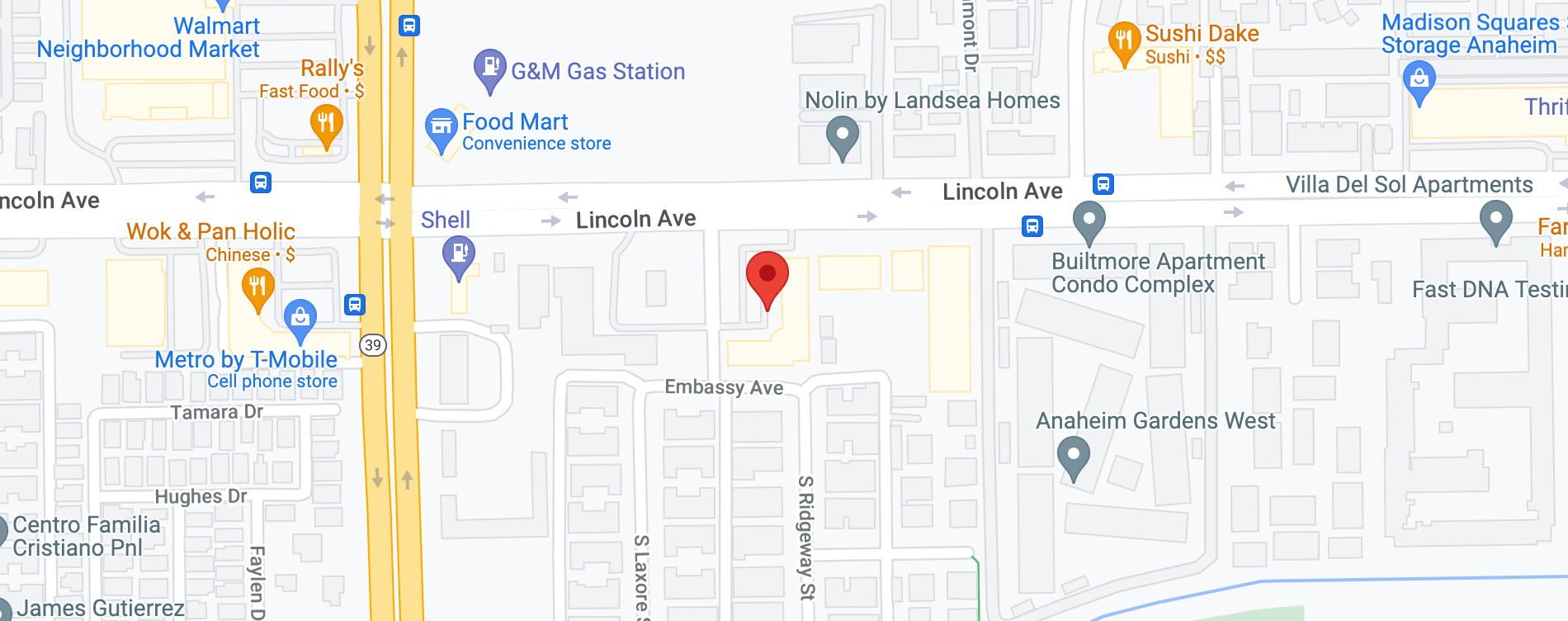
At Beach Dental Care Anaheim, you can find a dentist who offers a comprehensive, compassionate approach to dental care that will help you get the relief you need after your surgery quickly and effectively. Our dentists continue to work towards your oral health with safe and effective post-operative treatments. Call our dental office in Anaheim, California, at 714-995-4000 for immediate relief from dry socket pain and lasting recovery.