
A dental crown is a custom-made restoration that covers the visible portion of a natural tooth that is structurally damaged or endodontically treated, restoring its structural integrity, functional strength, and natural aesthetic appearance. Root canal treatment, also known as endodontic therapy, removes infected or inflamed tissue from the root canal system, eradicates bacterial infection, and helps maintain the natural structure of the tooth.
While root canal therapy removes bacteria and relieves the severe pain of a tooth infection, the treatment can leave the remaining tooth structure dehydrated, hollowed, and weak under normal biting pressure. A protective full-coverage restoration, such as a dental crown, is necessary for posterior teeth to prevent structural fracture, seal against bacterial reinfection, and restore long-term chewing function.
How a Root Canal Changes Your Tooth
The purpose of root canal therapy is to eliminate the pulpal infection inside the tooth. However, it changes the tooth's structure. Pulp removal will disrupt the natural vasculature, leaving the dentin dried out and hollow. Understanding these structural changes explains why restorative protection becomes necessary to maintain long-term oral function.
A Root Canal Makes Your Tooth Dry and Brittle
The pulp chamber contains a network of microblood vessels, nerves, and connective tissue within each healthy tooth. This living pulpal tissue provides fluid and nutrients to the dentinal tubules around it, making the tooth resilient to the pressures of everyday life.
Root canal therapy is a procedure that removes the nerve and infected tissue from inside your tooth, relieving pain, preventing the spread of bacteria, and preserving your natural tooth root.
After the pulp is removed and the root canals are filled, the tooth is no longer alive. The moisture level in the dentinal matrix decreases over time. The organic drying process reduces dentin toughness, leaving the tooth brittle and less able to flex under heavy chewing.
Reduction of Structural Tooth Mass
Your dentist must create a small opening in the chewing surface of your tooth to reach and clean out the infection. Before the root canal treatment process even starts, a lot of your natural enamel and dentin may be lost due to extensive decay, large current fillings, or physical trauma.
Removing internal dentin to clean and shape root canals reduces the tooth's stiffness. Loss of natural enamel walls and dentinal arches in succession severely compromises the tooth. Without the natural perimeter support of the tooth, it cannot withstand normal biting forces and is at risk of structural failure.
Susceptibility to High Occlusal Force
During normal chewing, the jaw typically exerts 20 to 40 pounds of force on posterior molars, but during unconscious nighttime grinding (bruxism), this pressure can spike to 250 pounds or more.
A healthy tooth spreads these enormous biting forces over its intact enamel shell and flexible dentin core into the surrounding jawbone. A root-canal-treated tooth with thin walls and an open internal chamber, however, does not have enough structural mass to evenly distribute stress.
Without a protective full-coverage restoration, mechanical forces are concentrated at the base of the access cavity. This creates intense stress concentrations that can split the remaining tooth walls apart.
Reasons Dental Crowns are Recommended After Endodontic Treatment
Unlike a traditional filling, a dental crown provides complete structural protection for an endodontically treated tooth. Crowns serve as protective coverings that help redistribute biting forces and prevent external contaminants from entering the tooth. Here are some of the key structural and functional advantages of post-root canal crowns:
Structural Reinforcement and Fracture Prevention
The primary goal of a dental crown following root canal treatment is to maintain the remaining tooth's function. A regular direct filling material is simply placed into the tooth cavity, leaving the cusps unsupported.
To ensure the crown holds securely, your dentist uses a specific technique: they preserve a small, continuous ring of healthy tooth structure just above your gumline. The new crown wraps completely around this ring, locking everything tightly together.
When you bite down on food, the crown is hit first, and the mechanical stress is spread evenly throughout the root system so that the thin walls of the tooth don't crack.
Sealing Your Tooth to Prevent New Bacterial Infections
Root canal treatment eliminates the infection inside the tooth and seals the root canals with gutta-percha, but the long-term success of the treatment depends on preventing coronal leakage. Millions of tiny bacteria live in your mouth in the saliva.
Over time, a simple filling may shrink, chip, or decay if it does not seal properly, leaving tiny spaces between the filling and the natural tooth. A custom dental crown will completely cover your tooth at the gumline, which significantly reduces the risk of recurrent infection. Endodontic quality standards mandate that a full-coverage crown must create an impermeable seal, which isolates the disinfected root canals forever from oral fluids.
Restoring Full Chewing and Biting Power
When a tooth is damaged or decayed, it cannot maintain the same shape as the original tooth, which means you cannot chew effectively. If a tooth has been hollowed or not shaped correctly after an endodontic treatment, you may unconsciously begin chewing on the opposite side of your mouth.
A custom-fabricated dental crown replaces your original tooth's precise height, anatomical cusps, and biting surface alignment. In this exact restoration, you can chew your food as you would without any discomfort or muscle strain. Proper biting-surface contact also helps keep adjacent teeth from tilting or moving into unequal positions over time.
Aesthetic Restoration and Prevention of Tooth Discoloration
A tooth often changes color over time after its root canal is removed and its living tissue is removed. As red blood cells break down within the tooth chamber, they may stain the surrounding dentin, turning your tooth dark gray, brown, or yellow over time. As the older root sealing material deteriorates, it may also stain the dentin, causing the same effect.
Changes in the tooth's structure cause this discoloration and cannot be corrected with external whitening products. A custom ceramic or porcelain crown completely covers the darkened underlying tooth structure. Today's tooth-colored crowns are designed to blend in with the color, translucency, and texture of your natural teeth, so your smile will be bright, even, and beautiful.
Assessing Which Teeth Strictly Require Dental Crown Coverage
Restorative approaches do not need to be the same for all endodontically treated teeth. The placement of a dental crown is greatly influenced by the tooth's position in the mouth, its function, and the remaining sound structure. These clinical considerations are important to assess when deciding on the most appropriate treatment approach, which may be a full-coverage crown or another direct restoration.
Mandatory Crown Requirements for Posterior Teeth
Posterior teeth, including molars and premolars, are located in the back of the mouth where the chewing load is the greatest. These back teeth handle the heavy lifting of grinding and crushing your food.
Root-canal-treated back teeth almost always need full-coverage dental crowns due to heavy mechanical stress. Root-canal-treated molars without protective crowns have a significantly lower long-term survival rate than crowned molars, which have long-term survival rates of above 90% over 10 years, according to clinical data published in the Journal of Endodontics. Placing a crown on posterior teeth provides necessary structural support:
-
Prevents cusp fractures due to excessive vertical biting pressures
-
Absorbs lateral forces when the jaw moves laterally
-
Keeps the upper and lower jaw level
-
Protects multi-rooted tooth anatomy from splitting
Restorative Considerations for Anterior Teeth
Front, or anterior, teeth are used primarily to cut or shear food. This means that the vertical forces that front teeth withstand when biting are much smaller than the forces that molars withstand.
If an anterior tooth has good marginal ridges and has experienced only minor structural loss, a high-strength composite filling in the access cavity may be adequate. When the front tooth is heavily decayed, cracked, previously filled with large fillings, or discolored, a full porcelain crown or veneer is required to provide both structural strength and aesthetics.
Evaluating Remaining Healthy Tooth Structure
In addition to tooth position, your dentist thoroughly assesses the amount and quality of the remaining healthy enamel and dentin after the decay is removed and the root canal is prepared.
When the remaining tooth wall thickness is less than 2.0 mm, direct filling materials are not sufficient. Conversely, if two or more structural walls are not present, a full-coverage crown is required to prevent severe structural failure, no matter where the tooth is in your dental arch.
Risks and Complications of Skipping a Recommended Dental Crown
The tooth is at high long-term risk if the crown is postponed or rejected after root canal treatment. If the tooth is not fully covered, the affected area will remain exposed to mechanical forces and environmental factors. Knowing about these clinical complications reinforces the importance of timely completion of restorative care to retain the tooth.
Irreparable Vertical Root Fractures
The most serious problem with not placing a crown on a root-canal-treated tooth is a vertical fracture. Biting forces can crack the chewing surface of the tooth, extend into the tooth's center, and reach the root area below the gumline.
If the crack goes down into the periodontal ligament space below the gumline, the tooth is non-restorable. A split tooth can allow bacteria to penetrate the surrounding jawbone, causing pain, mobility issues, and rapid bone loss. Complete extraction of the tooth is the only medically viable treatment in almost all cases of vertical root fracture.
Coronal Microleakage and Endodontic Failure
A temporary filling or a large direct composite placed over an access cavity can wear, crack, and break down over time. Over time, the seal between filling and natural tooth margins is lost as saliva breaks it down.
When bacteria penetrate the temporary seal, they infect the gutta-percha root canal filling in the root. This bacterial recontamination usually results in recurrent apical periodontitis (infection at the root tip). This problem can be resolved by removing the old filling material from the root canal, undergoing a complicated endodontic retreatment, and then crowning the tooth.
Financial and Health Consequences of Delayed Treatment
Opting not to get a recommended dental crown can lead to more complex and costly treatments later on.
If a tooth is broken and can't be fixed, you face the additional financial and physical costs of:
-
Tooth extraction and post-surgical site management
-
Bone grafting procedures to preserve jawbone volume
-
Surgical placement of a titanium dental implant
-
Fabrication of an implant-supported crown or fixed bridge
A timely dental crown will keep your natural root system intact, prevent unnecessary tooth loss, and save you a significant amount of time and money throughout your lifetime.
Comparing Modern Dental Crown Materials for Post-Endodontic Restoration
Several long-lasting materials can be used for post-root-canal crowns, thanks to advancements in restorative dentistry. The ideal choice of material depends on the location of the tooth, the forces it must withstand, the desired aesthetic outcome, and the patient's habits, including nighttime grinding. Testing material properties helps to provide the most appropriate restoration for the patient's functional and cosmetic needs.
All-Ceramic and Lithium Disilicate Crowns
All-ceramic, high-strength porcelain crowns are more aesthetically successful and are therefore used more frequently for the front teeth and premolars. These restorations are made of materials that do not reflect light and allow light to pass through them, just as it does through natural tooth enamel.
The flexural strength of a modern lithium disilicate ceramic crown ranges from 400 to 500 MPa, and it is highly biocompatible. They are not prone to dark lines at the gum line and will not stain the surface over time. Ceramic crowns are extremely strong and are recommended for use in areas of moderate to low biting pressure, or for patients who want a highly esthetic, natural-looking restoration.
High-Strength Monolithic Zirconia Crowns
In modern dentistry, one of the most robust tooth-colored restorative materials is monolithic zirconia. Modern monolithic zirconia restorations are milled from solid zirconia blocks and provide flexural strengths between 650 MPa and more than 1,200 MPa for your tooth, depending on which of the several translucency grades you choose.
Zirconia crowns are suitable for the posterior molars and patients with high biting pressure or nocturnal teeth grinding (bruxism). Zirconia crowns offer several advantages, such as the following:
-
High resistance to chipping, cracking, and structural wear
-
Advanced CAD/CAM digital milling technology for precise fit
-
Conservative tooth preparation that involves less loss of natural enamel
-
Smooth surface texture that is gentle on opposing natural teeth
Porcelain-Fused-to-Metal (PFM) Restorations
Porcelain-fused-to-metal crowns have been used in restorative dentistry for decades. The crowns made with this technology have an internal metal alloy structure and a surface of tooth-colored porcelain, providing both internal strength and a natural appearance.
PFM crowns provide dependable durability for both anterior and posterior teeth. However, due to their metal structure, PFM crowns may not be as translucent as all-ceramic crowns. If gum recession has occurred naturally over time, a thin, dark, metallic border may be visible near the gum line.
Full Cast Gold Alloy Crowns
Full-cast gold and high-noble-metal alloy crowns remain a durable option for non-visible back molars. The wear coefficient of gold alloys is essentially the same as that of natural human enamel, according to prosthodontic standards.
Gold crowns do not chip or break, are prepared with little natural tooth reduction, and do not cause much wear on opposing natural teeth during chewing. Their distinct yellow metallic hue makes them a poor option for the front teeth. However, their exceptional durability and margin fit accuracy make them a highly effective functional choice for molars at the back of the mouth.
Frequently Asked Questions
When providing crown restorations following endodontic treatment, patients often have questions about comfort, durability, cost, and necessity. The answers to the following questions help clarify important information about post-root-canal crown therapy.
Does the dental crown placement procedure hurt?
Crown preparation and fitting will be comfortable and pain-free. The nerve in the tooth was completely removed during the previous root canal. Therefore, the tooth itself is not capable of feeling pain.
To ensure the utmost comfort when working around the gum line, your dentist will use local anesthesia on the surrounding gum tissue before preparing the tooth. Gums may be slightly tender for a day or two following the procedure; this can be treated with over-the-counter (OTC) pain relievers and warm salt water rinses.
What is the lifespan of a high-quality dental crown?
A well-fabricated dental crown on an endodontically treated tooth should last 10 to 15 years and can last 20 years or more with proper maintenance.
The following are some of the factors that affect the life of the crown:
-
Brushing and flossing around the crown margins every day.
-
Having regular professional cleanings and exams.
-
Protecting restorations from heavy grinding forces with a night guard.
-
Use of high-strength materials, such as zirconia or gold.
How do dental insurance benefits apply to post-root canal crowns?
Most dental insurance policies recognize that a dental crown after root canal therapy is not a cosmetic treatment but a necessary dental restoration.
This means that most dental insurance plans will pay a significant percentage of the crown cost, usually around 50% of the procedure fee, up to the annual maximum benefit amount. Beach Dental Care Anaheim's financial coordinators help patients by checking plan coverage, providing pre-treatment estimates, and setting up flexible payment plans to ensure maximum insurance coverage.
Consult an Experienced Dentist Near Me
A root canal procedure can save your tooth, but if you want that tooth to last, you need a custom dental crown. A tooth with a root canal is susceptible to brittle fracture, splitting, and reinfection by secondary bacteria without the protection of a reinforced crown shell. A good crown restoration will help to preserve your natural bite alignment and chewing function.
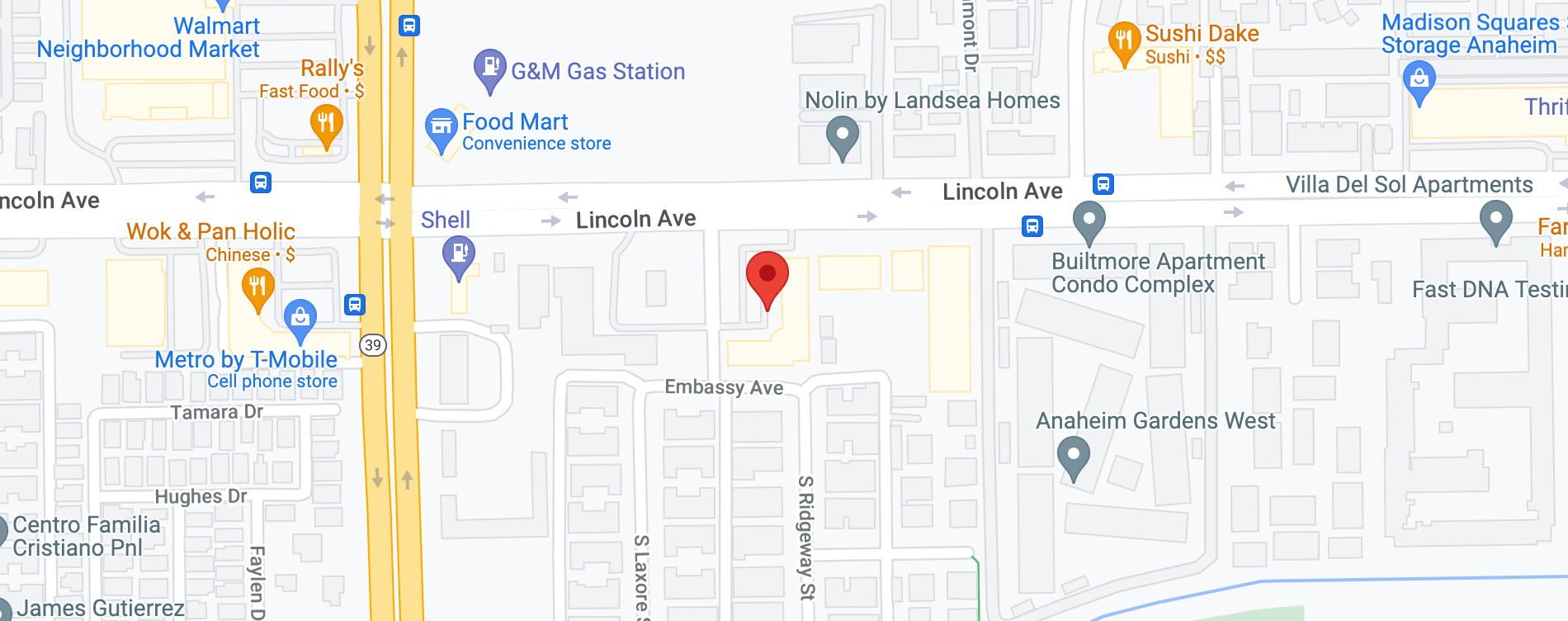
We at Beach Dental Care Anaheim perform root canal procedures and advise on the ideal custom crowns to meet your oral health needs. We offer customized consultations to ensure that your endodontic and prosthetic treatment is strong, comfortable, and aesthetically pleasing. If you recently underwent a root canal or if you need to assess an unprotected tooth, call us at 714-995-4000 to schedule an appointment.