
Dry socket, also known as alveolar osteitis, is a painful complication that can occur after a tooth extraction. It develops when the protective blood clot in the extraction socket fails to form properly, dissolves too soon, or becomes dislodged. This blood clot is supposed to cover the exposed bone and nerve endings and aid healing. If not, the empty socket will be exposed to food particles, bacteria, and saliva, which can lead to severe, radiating pain and slow healing.
Recognizing the symptoms of dry socket can help you distinguish it from the normal discomfort that follows a tooth extraction. Early detection can enable you to seek early treatment and avoid further complications. Below are some common symptoms, causes, and treatment options for a dry socket after a tooth extraction.
Chronic Foul Breath and Halitosis After Extraction
Changes in the tissues around the extraction site may indicate that the healing process is not progressing normally. If the blood clot is damaged, you will notice a definite, non-curing foul odor that will develop within days. This systemic halitosis is caused by the accumulation of tiny food particles and anaerobic bacteria in the open cavity.
An unprotected socket serves as a physical particle trap. As long as there is no blood clot to close the area, saliva, bacteria, and food particles collect in the gap. These bits of food break down over 48 to 72 hours in the warm, moist environment of your mouth.
The trapped food rots and emits gases, giving off a strong, unpleasant odor. This unpleasant smell is not like morning breath. It will stay present throughout the day and worsen as bacteria quickly grow in it.
This biological odor cannot be treated with superficial oral hygiene. Only surface bacteria can be cleaned by brushing around the teeth and cleaning the tongue. Mouthwash used at a normal level will only make the odor less noticeable, but not the cavity of the hollow bone.
In fact, if you try to clean the area aggressively, you can irritate the tissue and slow down healing. The underlying problem is the exposed extraction socket, which should be professionally cleaned and treated to relieve pain and support proper healing.
Pain Spreading and Radiating Across the Face
Dry socket pain radiates outward from the surgical area, whereas normal post-op pain stays in the surgical area. You could experience pain that travels along the major facial nerves. This may be felt all over the side of the face where the wisdom tooth was removed.
How the Trigeminal Nerve Affects Pain
The trigeminal nerve, especially its mandibular branch, carries pain and sensation from your teeth and jaw to your brain. This network branches out into three lines that extend to your jaw, cheek, eyes, and temple. If you have a dry socket, pain signals travel quickly along these neural pathways because the bone and nerve endings are exposed.
This is a natural phenomenon, which is the reason a problem in your lower jaw may be felt as a pain in the other parts of your skull. The exposed nerve endings send strong, continuous pain signals along the normal nerve pathways in your face.
Referred Discomfort in the Ear, Temple, and Neck Regions
This is a very intense, spreading facial pain that feels like crushing agony. The feeling makes it hard to focus, sleep, or do everyday tasks. This can be easily mapped as it radiates to certain areas on the affected side of the face:
- Sudden, stabbing pain that radiates into the ear canal
- Alternating pressure that radiates towards the temple and the eye
- Severe pain spreading down the lower jaw line and jawbone
- Generalized muscle stiffness and tenderness extending directly into your upper neck tissues.
An Empty Appearance and Exposed Bone in the Socket
A thorough physical evaluation of the healing area can give immediate confirmation of an issue. With a dry socket, the dark red clot is completely missing. You will instead notice a hollow space that exposes the underlying bone structure of your jaw.
Inspecting the Extraction Site in Your Wisdom Tooth with a Mirror and Flashlight
Stand in front of a mirror in good lighting to safely evaluate your extraction site. With a small flashlight, shine light into the back of your mouth while spreading your cheeks open. A healthy, normal socket will have a scab that will gradually grow into healing tissue. If you have a dry socket, the extraction site may appear empty because the protective blood clot is missing. You may also notice exposed bone that looks white or yellowish inside the socket.
Effects of Exposed Bone After a Tooth Extraction
An exposed jawbone disrupts the body's natural healing process after a tooth extraction. Bone tissue is delicate and needs the protection of a blood clot to heal properly. Without this protective barrier, bacteria can collect in the empty socket, increasing the risk of infection. The exposed nerve endings may also be irritated by air, food, and hot or cold drinks, causing severe pain. In addition, inflammation can spread to the surrounding tissues, and the formation of new gum tissue over the extraction site may be delayed, prolonging the healing process.
Restricted Jaw Movement and Pain during Chewing
When the protective blood clot is lost, the inflammation around the extraction site can affect your jaw movement. The surrounding muscles may become tense in response to the pain, making it difficult and painful to speak, chew, or yawn.
Jaw Stiffness and Muscle Spasms
Jaw stiffness is a temporary, painful inability to open the jaw. If the bone inside your socket is exposed, the surrounding soft tissues are extremely inflamed. The inflammation can spread to the muscles you use for chewing, causing pain and stiffness.
These muscles are under constant pain and go into protective guarding and painful spasms in your jaw. The whole jaw is locked, stiff, or tight, and opening the mouth will cause severe muscle pain and discomfort in the jaw joint.
Sensitivity to Environmental Temperatures and Air Pressures
Dry sockets are very susceptible to temperature changes in your mouth. If the bone in your wisdom tooth is not surrounded by a blood clot, hot or cold fluids will cause sudden, sharp pain. You can also experience a painful shockwave directly through your jaw nerves when you breathe in cool, dry air, even through your mouth.
This extreme temperature sensitivity makes eating and drinking very painful. Chewing also causes small pressure changes in your mouth, which can aggravate the dry socket and muscle spasms.
A Persistent Sour or Metallic Taste
A missing blood clot can leave the extraction site exposed, causing a persistent unpleasant taste in your mouth. This taste usually does not go away after brushing or rinsing and may occur along with other symptoms of dry socket.
Why Dry Socket Can Cause a Bad Taste
As organic matter breaks down within your bone, it produces toxic chemical waste that goes straight into your saliva. The open alveolar socket is filled with food debris, stagnant fluid, and bacteria, which undergo decomposition. Anaerobic bacteria cause this.
As this breakdown occurs, the cell releases acidic, bitter, or sour fluids that continually leak from the cavity. Bacteria and debris in the exposed socket can cause a persistent bad taste that brushing alone cannot remove. If these fluids are present at all times, it means the extraction site is not healing properly.
Disruption of Sensory Pathways and Appetite Loss
This unpleasant taste can affect your comfort and happiness in everyday life. It makes food and beverages taste bad, so you do not want to eat them. During recovery, you may experience a loss of appetite and be unable to receive adequate nutrition. Rinsing with water or mouthwash will only temporarily relieve the bad or sour taste. The acidic liquids will continue to drain from the sockets until a skilled, experienced dentist thoroughly cleans and dresses them.
Agonizing and Persistent Soreness
The pain level after a tooth extraction follows a predictable pattern and eventually subsides. Dry socket pain, however, is very intense and persistent, with a throbbing quality. This physical pain is not like the typical pain that occurs after a surgery, but rather begins several days after the surgery and increases in intensity each day.
Deep, Throbbing Pain That Peaks After Day 2
The normal, expected extraction pain is usually the worst on the first day and should improve each day. In the case of a dry socket, the pain will suddenly worsen between days 3 and 5. The pain is typically deep, throbbing, and persistent. It may spread through the jaw and radiate to nearby areas. The pain is deep and severe, and is a direct result of the constant, unprotected exposure of your raw bone where the wisdom tooth was extracted to the harsh environment of your mouth.
Ineffectiveness of Over-the-Counter Pain Killers
One of the biggest and most obvious signs that you are suffering from dry socket after a wisdom tooth extraction is that the pain is not easily treated with medication. The normal post-operative pain improves with ibuprofen or acetaminophen, but dry socket pain persists and is very painful. This is because the exposed bone pain does not follow the normal inflammatory pathway and needs to be treated with local palliative treatment.
Taking your normal doses of painkillers will not give you any relief. This is a type of pain resistance because the pain is caused by direct exposure to the nerves rather than by the usual swelling. This is a definite warning sign in the clinical setting that you need your immediate professional dental care.
Localized Inflammation, Swelling, and Low-Grade Fever
Blood clot loss after extraction causes a localized immune response. Your body tries to heal the open wound by sending more blood to the surrounding tissue. This biological reaction will cause visible gum inflammation, cheek puffiness, and minor systemic changes.
Swollen Gums and Puffy Cheeks
If facial swelling returns or worsens a few days after your wisdom tooth extraction, it may indicate a complication such as dry socket or an infection. The gum tissue that is directly around the wisdom tooth extraction site will be red, shiny, and inflamed.
Your cheek or jawline on the affected side of your face will be very tender when you touch it or move it. This secondary swelling is due to continuous irritation of the exposed mandibular jawbone by bacteria. This means that your body is always in a state of active inflammation around the open, unsealed dental healing site.
Fever and Possible Complications
You could experience mild fever symptoms in addition to your localized, throbbing post-operative facial pain. This is a minor rise in temperature that is your body’s immune response to the constant bacterial stimulation in the open jawbone socket.
Careful monitoring of the oral body temperature reading is crucial to differentiate this localized, low-grade inflammatory reaction from a more serious, spreading bacterial infection of the mouth. This will help clinicians immediately rule out acute osteomyelitis or deep fascial space infections.
Stalled Healing and a Prolonged Socket Recovery
A blood clot is needed to begin the healing process after a wisdom tooth extraction. Once this clot is gone, your body’s normal healing process is halted. This disruption causes the recovery to stall, and the socket remains open and susceptible for an extended time.
How a Dislodged Clot Disrupts Cellular Gum Tissue Growth
Your body heals an open wound by forming new, soft gum tissue, which is known as healing by secondary intention. In a normal socket, there is a biological framework of tissue in the form of a blood clot across which these cells migrate. Once the clot is dislodged, this physical bridge is completely removed.
Your body has to begin the healing process from the bottom of the socket upwards, which takes much longer. This disruption delays the healing process. As a result, the exposed jawbone remains vulnerable to bacteria, food debris, and everyday activities like eating and drinking.
Healing Timeline After a Dry Socket
If a dry socket is left untreated, it will heal on its own, but the process is very slow and painful. If left untreated, the open socket may take several weeks to heal. Chronic localized irritation will persist due to food particles in the empty socket, further delaying healing. If you seek professional care, an experienced dentist can apply soothing dressings to keep the area protected, so your gums can heal the wound without constant, agonizing pain.
Understanding Why Wisdom Tooth Extractions Frequently Trigger These Symptoms
Dry socket is more likely after the extraction of lower wisdom teeth, but it can occur after any tooth extraction. Third molars are distinct in their anatomical position and surgical complexity, posing unique biological challenges for blood clot stability. All these factors increase your likelihood of experiencing the symptoms above.
Dense Jawbone and Reduced Blood Flow
The lower jawbone (mandible) is much heavier than the upper jaw. The dense bone in the lower jaw has a more limited blood supply than the upper jaw, which can slow healing. Lower jaw wisdom tooth extraction will cause less bleeding from the tooth socket. This diminished blood flow makes it very difficult to form and maintain a stable, thick blood clot during the extraction process. This makes the extraction site extremely susceptible to sudden, painful, premature physical breakdown and dissolution.
Operational Trauma and the Sucking Pressures of Recovery
Wisdom teeth are often impacted, meaning they remain partially or completely trapped beneath the gums or jawbone. These complex wisdom teeth need to be removed with careful surgical bone manipulation and lots of leverage.
This surgical stress releases tissue activators in the area, causing the clot to dissolve. In addition, wisdom teeth are positioned at the back of your mouth, where they are subjected to greater sucking pressure during swallowing and speech. Using a straw produces the same negative pressure, making rapid clot displacement much more likely.
Clinical Treatments and Preventive Solutions
A smart combination of professional dental care and home care is needed to resolve the painful symptoms of dry socket. Your trusted dentist’s priority is to remove pain and safeguard the exposed bone. In the meantime, you should adhere to the post-operative instructions given at home to avoid this dental complication altogether.
Standard In-Office Irrigation and Medicated Dressings
Your dentist will treat your dry socket symptoms by first flushing the empty socket with sterile saline or 0.12% chlorhexidine gluconate solution, as recommended in clinical parameters. This flushing will eliminate trapped food debris and bacteria that cause chronic irritation and foul odors.
The dentist will then insert a medicated dressing into the socket. This dressing has ingredients that deeply soothe the raw nerve endings and protect the bone, including natural eugenol. This treatment will alleviate pain and allow your lower jaw to heal smoothly, safely, and comfortably.
Vital Post-Extraction Rules to Protect the Blood Clot
You can reduce your risk of dry socket by following your dentist's aftercare instructions immediately after your tooth extraction. The healing extraction site should be protected from negative oral pressure that could dislodge the clot. Follow the following easy guidelines for the first week after your extraction to prevent any problems with your socket:
- Do not smoke or vape for 72 hours
- Avoid drinking liquids using a straw
- Eat only soft foods and chew on the opposite side of your mouth
- Rinse your mouth gently with warm salt water as directed, and avoid forceful spitting
Consult an Experienced Dentist Near Me
Dry socket can turn a normal recovery after a wisdom tooth extraction into a painful experience if it is not treated early. Knowing the signs of dry socket can help you act quickly. If you develop severe pain a few days after your tooth extraction, notice an empty-looking socket, or feel pain spreading to your ear or jaw, contact your dentist promptly. Early treatment can restore normal healing. It can also relieve your discomfort and support proper healing. Professional care can help alleviate pain, prevent the exposed bone from becoming infected, and promote healing.
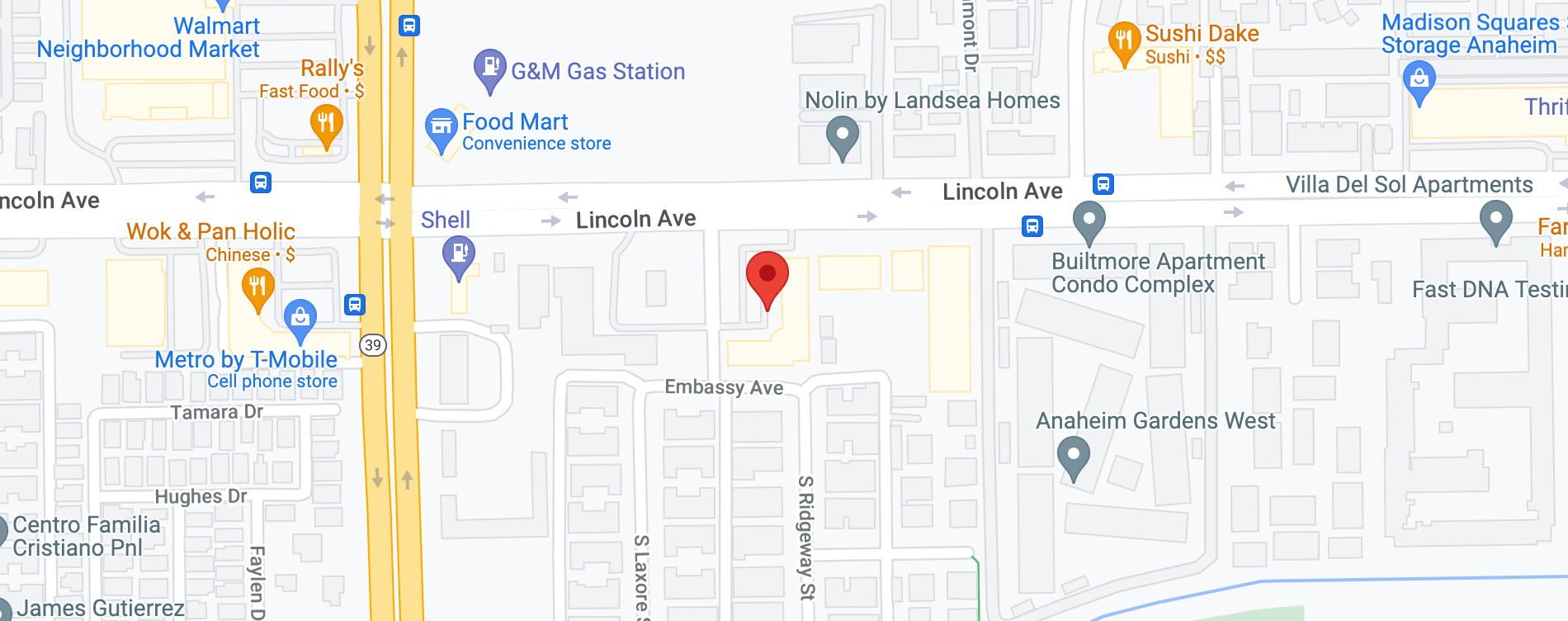
If you notice that you have a dry socket or suspect that you have one, or if you have concerns about healing after a tooth extraction, do not delay in seeking dental care. At Beach Dental Care Anaheim, we have experienced professionals who can provide timely assessment and treatment to alleviate pain and promote normal healing. Contact us today at 714-995-4000 to schedule an appointment and receive the care you need.