
Think of your smile as your personal signature, often one of the first things people notice and one of the features they remember most. If you are hiding your smile because of persistent stains or a lack of luster, you are depriving yourself of your best asset. A truly radiant smile comes from real dental care, not internet trends or quick-fix products. It is the daily commitment to proper care, combined with smart clinical strategies.
If you want to reverse years of coffee stains, you want to save your teeth from tiny damage to your enamel, or you want to try the new and safe whitening technology, you are in the right place. The following are the practical steps for getting a beautiful, healthy smile.
Maintain a Proper Daily Oral Hygiene Routine
You do not achieve a perfect smile by forcing stained teeth to whiten aggressively with bleaching. You get it by protecting the healthy tooth structure that naturally gives teeth their bright appearance. Think of your daily oral hygiene routine as daily enamel preservation.
The most common mistake is scrubbing the teeth horizontally. This abrasive sawing action will lead to gum recession and notches on your teeth's necks. The Modified Bass Method is one of the most effective brushing techniques recommended by dental professionals. It involves the following steps:
- Tilt your brush at a 45-degree angle right where your teeth meet your gums
- Using small circular vibrating sweeps rather than scrubbing. This coaxes the bristles slightly under the gumline to break up biofilm
- Flick the plaque off by rolling the bristles down (top teeth) or up (bottom teeth)
Brushing for less than two minutes often leaves plaque behind, allowing stains to accumulate over time and build up on the teeth, which soak up the color of food and drink, making your smile look dull at lunchtime.
Brushing your teeth with a firm or medium-bristle brush to scrub them clean over time can make your teeth appear more yellow. Dentists generally recommend using soft-bristle toothbrushes.
Inside your teeth are two main parts:
- A very hard outer white plate (enamel)
- A porous, naturally yellow inner part (dentin)
Hard bristles can gradually wear away enamel and contribute to gum recession. As the overlying translucent layer becomes less translucent, the dentin beneath becomes more evident and yellow. To maximize stain removal safely, upgrade to a sonic electric toothbrush for the most effective, safe results. The high-frequency vibrations of sonic toothbrushes improve plaque removal while remaining gentle on enamel and gums.
Brushing only cleans three of the five surfaces of a tooth. The spaces between them become filled with plaque, which hardens into tartar (calculus). This hard buildup will irritate the gingiva, causing recession and the development of open gingival embrasures at the base of the teeth. Whitening treatments cannot correct gum recession or dark spaces between teeth. This is why it is essential to floss every day for a perfect smile. When looking at Waterpik vs. string floss, here is how they compare clinically:
- String floss — This floss mechanically removes the sticky bacterial film from the flat surfaces of teeth.
- Water flossers (Waterpik) — These are good at flushing away debris from deep pockets and pulsing loose bacteria between teeth and are ideal for those with orthodontic work, dental implants, or sensitive gums.
To get a really clean, white, smooth base, scrape the biofilm away with string floss, then blast it all out of your mouth with a water flosser.
Ensure You Make Proper Dietary Choices
Your diet and beverages directly influence the color of your smile, and improper dietary habits can negate the effects of a costly whitening treatment. Maintaining a bright smile involves two strategies:
- Reduce your exposure to heavy stain-causing foods
- Eat foods that protect and clean your teeth
It is important to understand how dark liquids and foods can stain your enamel to avoid discoloration. Coffee, red wine, dark sodas, berries, and soy sauce are the main foods that stain teeth, all of which contain chromogens, intense food color pigments that readily attach to the dental enamel. However, the real problem arises when these chromogens are combined with tannin and high acidity. Acids soften and microscopically roughen your enamel, making it extremely porous, and tannins bind and pull the pigments deeper into the microscopic pores in the enamel surface. This is why the stains on teeth left by coffee look dull and why blocking the stains left by tea may be harder, as tea contains many tannins that can tightly bind the pigments on the teeth. You can drink iced coffee, tea, and dark sodas with a straw to significantly reduce contact with front teeth.
Furthermore, never brush right after drinking these beverages, as the acid has softened your enamel. Brushing will make stains penetrate it further. Rather, rinse immediately after drinking with plain water after you have consumed your beverage, swishing and sweeping away the remaining pigments and neutralizing the acid.
Fortunately, some foods are good for your smile. Some raw, crunchy vegetables and fruits can serve as natural dental cleaners. Foods like apples, celery, and carrots are considered nature's toothbrushes because they are fibrous and crisp, gently scrubbing the surfaces of your teeth as you chew. They lift loose plaque and surface stains before they have a chance to settle. Moreover, these crunchy options produce a lot of saliva in your mouth, which is your mouth's best first line of defense. They wash away food particles and continuously coat your teeth with minerals that protect them.
If you want to keep your smile looking dense and bright white, incorporating dairy products like hard cheese, milk, and plain yogurt into your meals provides a powerful protective barrier for your teeth. Cheese produces saliva right away, which quickly neutralizes the enamel-attacking acids in plaque. Furthermore, dairy contains high levels of calcium and phosphate ions to support the natural remineralization process and strengthen weak areas, which means the outer enamel remains very thick, dense, and beautifully opaque, and the dark yellow dentin underneath will not be visible.
Do not forget to drink water. Doing so throughout the day provides a constant rinsing action for your mouth and offers significant oral health benefits. Drinking small amounts of water often after eating or drinking something that stains helps prevent the pigments and harmful sugars from remaining on your teeth for long.
Consider Teeth Whitening Options
If you have yellow teeth and are looking to whiten them, you may come across plenty of overnight miracles and social media hacks that claim to fix them. It is important to be able to tell the difference between teeth-whitening treatments that chemically remove internal stains and those that are simply shortcuts that could damage your teeth. Professional whitening is considered safe when appropriate peroxide concentrations are used under proper instructions.
If you are looking for an affordable treatment, over-the-counter products offer a very attainable option. They are made from flexible plastic strips that are already coated with a very low concentration of a teeth-whitening gel containing hydrogen peroxide. Most whitening strips contain lower concentrations of hydrogen peroxide that gradually whiten teeth with consistent use. You will have to dedicate yourself to wearing them as prescribed every day for weeks to notice a shift in the surface color. They work very well for mild to moderate tinting, but because they are generic, the tint can easily get on your gums, and at times, the temporary tingle can irritate the gum tissue.
The main differences between professional teeth whitening and whitening strips are the time required, safety, and chemical concentration. For in-office treatments, hydrogen peroxide strength can range from 25% to 40%. Some in-office systems use light activation, although peroxide concentration is considered the primary whitening agent. They create dramatic results with several shades of brighter teeth in one hour. Dentists can also offer you custom take-home trays. They are made from a precise digital scan or mold of your mouth. The clinical-grade whitening gel stays securely in place and fully protects your sensitive gums. Oral health care professionals can deliver higher concentrations of peroxide, which provide much more rapid, deeper, and more uniform results by penetrating the deeper layers of dentin, where older, stubborn stains are found.
There is a wave of DIY teeth-whitening trends circulating online, including brushing with pure baking soda, scrubbing with lemon juice, or using abrasive charcoal toothpastes. The risks of using charcoal toothpaste and raw acids are not to be taken lightly. Activated charcoal is extremely abrasive, like sandpaper for your smile. It may seem like a way to remove food stains on the outside, but it actually causes you to rub the protective white enamel off your teeth. Once the outer enamel layer becomes thin, it cannot regenerate. This not only weakens your teeth's structure, sensitizes them, and makes them much more susceptible to future staining, but also exposes the yellow dentin underneath. Acids like lemon juice exacerbate this damage by chemically dissolving your minerals. Therefore, it is best to follow clinically proven peroxide protocols to preserve your oral health.
Explore Cosmetic Orthodontics and Smile Alignment Solutions for Structural Perfection
When it comes to achieving a perfect smile, a stunning white smile is not enough. The "perfect" appearance simply will not happen if the teeth are so crowded together or overlapping, or if there are large gaps between them, creating a dark shadow that can be seen in normal lighting. That is why cosmetic orthodontics is an important component in making your entire mouth more symmetrical, supporting your lips, and reflecting light on your mouth. Thanks to modern developments, crooked teeth are no longer a multi-year ordeal limited to adolescence. Adults now have sophisticated, subtle choices that fit a professional lifestyle.
The common options include the following:
Clear Aligners
When deciding which option you choose for straightening teeth, the decision will mainly be between clear aligners and braces.
Invisalign for adults is the best option for structural improvement. The system consists of a series of clear, medical-grade polyurethane trays sequentially molded to your teeth with state-of-the-art 3D digital impressions. These aligners gently and accurately apply corrective forces to move teeth to their ideal positions gradually.
Clear aligners offer the biggest benefit of being almost invisible and easy to put on and remove. This allows you to eat and drink as usual, brush your teeth as normal, and causes no disruption to your oral hygiene. These are very effective for correcting mild to moderate crowding, closing gaps, and correcting minor rotations.
Traditional Braces
Even in the face of the incredible popularity of clear trays, conventional brackets and wires are the unchallenged standard for complex cases. If you suffer from severe bite issues, clinically known as malocclusions, such as deep overbites, underbites, or crossbites, or require complex root rotations, traditional braces are still necessary.
Fixed orthodontics has come a long way. Currently, brackets are more discreet, with sleek ceramic or tooth-colored brackets replacing old metal brackets. Fixed braces provide the orthodontist with a degree of 3-dimensional control that removable aligners cannot duplicate. They provide a stable, functionally sound foundation for the most complex of jaw configurations.
Retainers
After orthodontic treatment, surrounding tissues naturally tend to shift teeth back toward their previous positions, making retainers essential. For permanent perfection, you will need to wear your retainers at night for life. Retainers made with a long-lasting, clear material that is much harder than typical aligner trays are individually crafted to keep your teeth completely stabilized. By placing your retainer before you go to sleep, you can preserve the density and stability of the bone structure around your newly aligned teeth for decades to come and maintain the beauty of your smile.
Talk to Your Dentists About Cosmetic Solutions for Your Smile
If lifestyle, diet changes, and whitening gels have hit a snag, advanced cosmetic dentistry comes to the rescue to fill the gaps.
Structural changes can provide a transformative solution for people with deeply embedded discoloration, structural damage, and genetic alignment issues. With today's dental artistry, the shape, size, and color of your teeth can be reshaped and enhanced with amazing precision and accuracy for a quick cosmetic improvement on one or two teeth, or as part of a comprehensive makeover that re-creates a Hollywood smile.
Cosmetic dental bonding is a good alternative for minor imperfections, as it is easy to do, inexpensive, and requires only a single visit. This is the best way to correct chipped teeth, close small gaps, or lengthen slightly misshapen teeth. Your dentist applies a soft, tooth-colored composite resin, which is the same material used for today's tooth-colored fillings, and shapes it onto the tooth structure. A special high-intensity curing light cures the resin in a few seconds after you have matched it to your precise enamel color. The dentist then shines the resin to match the color of the surrounding teeth. Bonding is very efficient and does not involve much modification of natural enamel. However, the composite material is porous and more likely to chip and stain over time than porcelain.
For a perfect and enduring change, porcelain veneers are the standard. Veneers are made from a high-grade dental ceramic and are ultra-thin shells that are permanently bonded to the front surfaces of your teeth. Unlike superficial treatments, veneers are intended to address major structural and cosmetic problems. They are the best option for removing deep-seated stains that will not respond to chemical bleaching, evening out rough and uneven edges, and masking disproportionate size. The special ceramic material perfectly imitates the light-reflecting properties of natural enamel. You will be able to achieve a natural-looking, highly aesthetic result, which will be highly resistant to the staining caused by your coffee, tea, or red wine in the future.
Before committing to this transformation, it is vital to understand the structural implications of traditional options versus alternatives. Traditional porcelain veneers are a permanent and irreversible treatment, as the dentist will shave down the thin layer of enamel around 0.5 mm, which is required to make room for the porcelain shell so that it does not look bulky. For those who would prefer less invasive means, there are minimal-preparation veneer options, including Lumineers® in suitable cases that do not require any preparation. These options employ ultra-thin, structurally sound porcelain, which can often be applied over existing teeth without the need to compromise underlying tooth structure, but still provides a dramatic upgrade.
Take Care of Your Gums
The most perfect, shiny white teeth can be lost and put out of the picture if the teeth are surrounded by red, puffy, or bleeding tissues. For a beautiful smile, it is essential to keep your gums healthy by flossing daily and visiting your dentist regularly for cleanings.
Beyond good health, modern periodontal aesthetics can re-engineer the symmetry of your gum line if you are not satisfied with the additional gum tissue. An advanced gummy smile treatment could transform your appearance. Often used by dentists for precise laser gum contouring, the procedure can help reshape and remove excess tissue to expose more of the natural tooth crown without causing pain. In carefully selected cases, Botox® may be used by qualified providers to help reduce the appearance of a gummy smile. On the other hand, if receding gums have been caused by excessive brushing or age, specialized soft-tissue grafts can restore a youthful look, safeguard weak roots from decay, and eliminate an undesirable long-in-the-tooth appearance.
Find a Dentist Near Me
Your smile is not just a piece of anatomy. It is one of the strongest reflections of your health and confidence, and the fastest way to convey it. Elevating it from ordinary to extraordinary doesn't happen by chance, nor does it require chasing destructive internet trends. It is the culmination of the daily work of structural preservation, deliberate nutrition, and working with clinical professionals who understand the science of dental aesthetics.
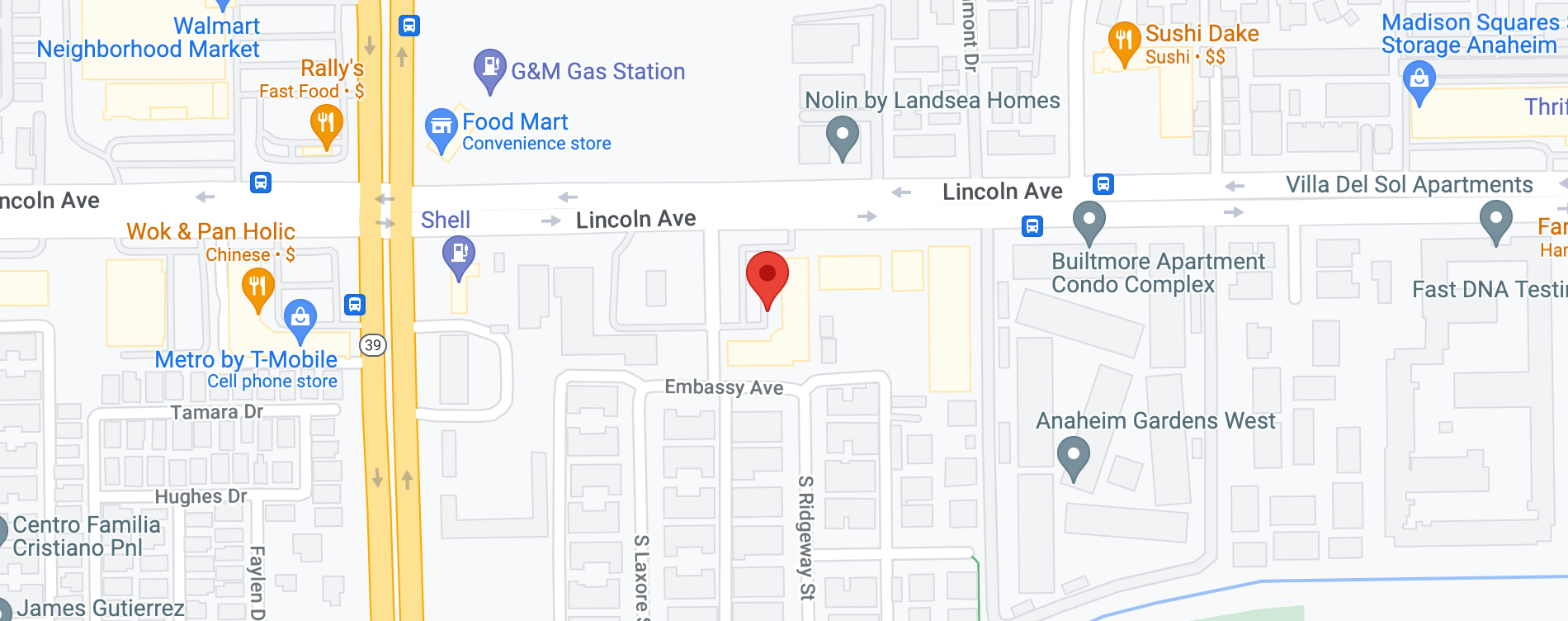
A flawless, brilliant smile is completely within your reach when you replace shortcuts with proven, expert-backed strategies. If you have been hiding your teeth and want to reveal a healthy, beautiful smile that you are proud of, or you have been putting off visiting the dentist for a while, Beach Dental Care Anaheim is here to help you achieve this goal. Call us today at 714-995-4000 for a smile evaluation and take the first step toward a healthier, brighter, more confident smile.