
Even if you are missing one or more teeth, you may find yourself avoiding smiling, but dental implants can restore both your smile and your confidence. Unlike removable dentures, dental implants are anchored to titanium posts that fuse with the jawbone before a custom crown, bridge, or denture is attached, which integrates with your jawbone through a process called osseointegration, and then attaches to a custom crown. But is this game-changing procedure right for everyone?
Although dental implants are widely available, not everyone is an ideal candidate for today's dental technology. Certain oral and systemic health factors influence the likelihood of implant success. A good candidate should have healthy gums and have adequate jawbone volume and bone quality to support the implant. Besides anatomy, good oral hygiene and overall health are essential for successful healing.
The following factors can help you determine whether dental implants are right for you, what you should avoid, and what you can do to ensure a successful dental restoration.
You Have Sufficient Jawbone Density
The implant's long-term success depends largely on a natural biological process known as osseointegration. A titanium implant is not simply placed in the tissue. Bone gradually grows around and bonds to the implant surface through its microscopic threads over several weeks to several months, depending on the individual. This makes for a stable biological bond capable of supporting normal chewing forces and provides a sturdy, long-term tooth root replacement for the metal post.
This process would not be possible without adequate bone volume and density for dental implants. If bone density is insufficient or not dense enough around the site, the implant cannot attain primary stability. Without adequate bone support, the implant cannot achieve sufficient primary stability and is more likely to fail. It will eventually sink, fail to osseointegrate, and fail early due to mechanical forces from chewing.
The timing of implant placement is also important. Once a natural tooth is lost, the jawbone begins to resorb. The alveolar ridge is the specialized ridge of bone of the jawbone where your teeth attach and depends on normal chewing forces to maintain its volume.
The absence of this stimulation leads to rapid progressive bone resorption. Within the first year alone, a significant bone loss can occur during the first year after tooth loss. Jawbone width and height can be lost due to tooth absence. Early implant evaluation helps preserve available bone and may reduce the need for additional procedures. When treated proactively, it will not cause the alveolar ridge to shrink, maintaining the natural condition for an easy placement.
A traditional two-dimensional dental radiograph is insufficient to accurately assess the available bone volume to support dental implants. Instead, dental practitioners must use cone beam computed tomography (CBCT), also known as a 3D CBCT (Cone Beam Computed Tomography) scan.
The CBCT scan provides a highly detailed, three-dimensional view of the inner structure of the jaw during a thorough alveolar ridge evaluation. This technology can help the implant surgeon:
- Determine the exact size of the bone available down to the millimeter
- Identify any surrounding vital structures, like the inferior alveolar nerve and the maxillary sinuses
- Assess the quality of bone tissue
If the scan shows insufficient ridge volume, a preliminary bone graft or sinus lift procedure may be needed to increase bone volume before implant placement and to provide adequate support for safe surgery.
You Have Healthy Gums (Free From Periodontal Disease)
Titanium dental implants cannot develop cavities, although the surrounding tissues can still become infected and develop cavities, and the soft tissues that hold the implants remain susceptible to bacterial infection if not properly maintained.
Peri-implantitis, a destructive inflammatory condition caused by bacteria that form around the implant site, is one of the leading biological causes of implant failure in a newly placed oral restoration. Once dental implants are placed, if the patient is already suffering from gum disease, the pathogenic bacteria immediately start to enter the very sensitive implant-soft tissue interface. Compared to natural teeth, which are surrounded by a complex and resilient network of periodontal ligaments, implants have a much different biological attachment than natural teeth. Peri-implantitis will be aggressive and will cause progressive bone loss that may initially produce few symptoms around the implant. The implant may become progressively mobile and eventually fail if left untreated.
A prime candidate also needs healthy gum tissue prior to surgery to ensure a highly predictable surgical outcome. The dental professional examines the gums thoroughly (including a comprehensive exam), checking for specific signs of healthy gums that are required for dental procedures:
- Color and texture — The delicate gum tissue should be a uniform, light pink color and be firm and resilient with a feel that tightly conforms to the outline of the teeth or open alveolar ridge.
- Absence of inflammation — No signs of inflammation, structural swelling, puffiness, redness, or abnormally deep periodontal pockets indicating hidden pockets of bacteria or active tissue damage.
- Zero bleeding — Gums should not bleed at routine daily brushing, flossing, or routine clinical probing. Bleeding gums and implant failure go hand-in-hand. Bleeding is an active sign of inflammation and thus indicates active inflammation that can interfere with healing an infection that will affect healing after the implant is placed.
Having gum disease does not automatically prevent you from receiving dental implants to enhance your smile. If you have an active bacterial infection, however, you will still not be able to have implant placement. It should generally be postponed until the infection has been treated. The key to a successful restorative path is to treat periodontitis with the utmost care prior to the placement of implants. The typical approach to treatment includes an appropriate periodontal treatment, which may begin with a deep cleaning called scaling and root planing. This special technique cleans hard, hardened plaque and calculus below the gumline, as well as bacterial film. When the tissue is stabilized, local inflammation subsides, and your home care instructions are optimized, it is safe for your dental professional to place the implant on healthy periodontal tissues, which improves the likelihood of long-term implant success.
You Have Managed Systemic Health Conditions
Much of the long-term success of a dental implant depends on your body's ability to heal properly after surgery. The biocompatible titanium implant post needs to integrate directly with living bone tissue, and the entire recovery procedure relies on the proper functioning of the immune system, circulation, and cellular regeneration. Oral surgeons carefully examine systemic diseases that might disrupt the biological processes required for healing and osseointegration when assessing the risk of implant complications. When the body's inherent healing processes are impaired, the wound will not heal properly, and pain, early post-op complications, or structural failure will be significantly increased.
If you have underlying chronic health conditions, a thorough assessment of your condition's day-to-day management is essential to the process of getting implants. These include:
- Diabetes and dental implants — In uncontrolled diabetes, the microvascular blood flow is affected, recovery times are lengthened for cells, and infection rates are raised significantly after surgery at the raw surgical site. But an executive diagnosis does not automatically bar you from treatment. Patients with well-controlled diabetes generally have implant success rates approaching those of people without diabetes, provided blood glucose remains well managed. The key is to maintain stable blood sugar before, during and after the procedure.
- Autoimmune disease and dental implants — Chronic diseases, for example, lupus or rheumatoid arthritis, and the treatment regimens that doctors give to manage these diseases, can have a significant impact on the body's normal inflammatory process. If you have an autoimmune disorder, an oral surgeon will closely monitor your condition and treatment to determine whether they may interfere with healing and implant integration without significantly increasing the risk of impaired healing or implant failure at the site of dental implant surgery.
- Osteoporosis and medication issues — Although bone-thinning caused by aging should always be considered, bone density itself is not always the cause for concern during dental surgery for osteoporosis. It may actually be specific drugs that are used to treat the condition. Patients receiving long-term or intravenous antiresorptive medications may have an increased risk of medication-related osteonecrosis of the jaw (MRONJ). This condition can prevent the bone from healing well after tooth extraction or implant placement, and it is critically important to review medications carefully before surgery.
Predictable and safe healing following a dental implant is ultimately dependent on open and clear communication between your treating dentist, oral surgeon, and primary care physicians. The fact that you are a good candidate need not mean that you have to be in perfect health. It means that your current medical issues must be in full control, stable, and documented. Your dental team will conduct a detailed medical history check before determining if implant surgery is appropriate and safe.
If you have any systemic conditions, your specialist may be asked to provide recent laboratory test results or a medical clearance letter. This proactive plan ensures your treatment plan is customized to your body's unique healing potential, safeguarding your overall health and your investment in a new smile.
You are a Non-Smoker (or Willing to Quit)
Of the different lifestyle factors that affect the predictability of an oral surgery, the use of tobacco is always a major concern in the clinic. The primary physiological problem is directly related to the nicotine effect on healing. Nicotine is a potent vasoconstrictor that reduces blood flow to healing tissues, which works to constrict and close blood vessels in the body, including the tiny blood vessels supplying the gums and jawbone.
This dramatic constriction significantly compromises the blood supply to the mouth area, effectively reducing the delivery of oxygen and nutrients needed for healing, white blood cells, and nutrients needed to heal the surgical site and promote the successful osseointegration. Moreover, inhaling smoke or vapors directly exposes the oral cavity to the high temperatures and toxic chemicals in the smoke or vapor. This exposure also dries out the delicate tissue of the mouth and interferes with the blood clots that should form right after surgery to protect the bone. This altered state poses a significant challenge to routine tissue recovery and makes the surgical area highly susceptible to bacterial infection and early structural breakdown.
The effects of smoking on the body are clearly reflected in bad health data. Research consistently shows that smokers experience significantly higher rates of implant complications and failure than non-smokers. However, the harmful effects of vaping are not just contained to cigarettes. Emerging evidence suggests vaping may also impair healing and increase implant complications, although research is ongoing. The effects of the blood vessel contraction are the same in the jaw, whether it was chewing or aerosolized nicotine. For this reason, a smoker should not receive an implant without first making some lifestyle changes. The cost and physical commitment of the implant are too great a risk of failure in fusing with the bone.
Ideal surgical candidates are lifelong non-smokers or those who are determined to follow a strict smoking cessation plan with a high probability of success. You do not have to give up smoking. Just take a break. Many oral surgeons recommend stopping all nicotine products before and after surgery to improve healing, although recommendations vary, which is the critical period for the initial healing process. This window allows the blood vessels to heal and regain their normal function, and the body to form a firm, uninterrupted connection with the new implant root.
Your Jaw Has Finished Growing
Physical maturity is more important than the number of years recorded on a birth certificate when selecting candidates for restorative oral surgery. The main reason that dental implants are not given to teenagers and adolescents is this biological fact. A dental implant is permanently attached to the bone, unlike natural teeth, which have a flexible living network that connects them to the bone (the periodontal ligament), which enables them to move as the facial skeleton changes shape.
If the implant is placed before final jaw growth, the titanium implant stays in the same position in the mouth, while the rest of the facial bones grow and develop. The surrounding natural teeth move around the implant as maxillofacial development occurs over time. This mismatch will cause the implant to become infraoccluded or appear shorter than adjacent teeth as jaw growth continues. In addition to the obvious aesthetic concerns, the structural imbalance leaves one with very serious cosmetic deficiencies, complicated bite relationships, and progressive functional difficulties, which are extremely challenging, invasive, and expensive to correct later in life.
Dental specialists have a minimum age guideline based on well-established skeletal timelines to avoid growth-related complications. Jaw growth usually finishes during the late teenage years or early adulthood, but timing varies between individuals. Because growth rates differ for each person, experienced surgeons do not rely on age alone. The dental team will also regularly obtain sequential panoramic X-rays. When skeletal maturity is uncertain, additional imaging or growth assessment may be recommended for young adult patients in their teens and 20s to ensure the skeletal structure is mature before proceeding with surgery.
Although there is a minimum age for this procedure, it is important to keep in mind that there is no maximum age limit for dental implants. Many times, patients think that older persons are not even eligible for this treatment or that their senior bones are too weak to accommodate new artificial roots.
In fact, the clinical success rate of dental implants in seniors is not significantly different from that in younger people. Throughout a person's life, the human jawbone can remodel and heal, and can successfully fuse with the insertion of titanium threads, provided there is enough bone mass in place and a good local blood supply. It would make infinitely more sense to have an 85-year-old man or woman in excellent general health as a successful long-term restorative candidate than a 25-year-old heavy smoker or a person whose systemic disease is not controlled.
As long as underlying medical conditions are well-managed, advanced age alone will never keep you from restoring a confident, functional smile.
It is not a number on a calendar that matters. It is overall health and skeletal stability. From the late stages of jaw development through maturity, a comprehensive and personalized assessment will ensure your jaw is strong and well-supported for a healthy, long-lasting, and beautifully aligned smile.
Find a Dental Implant Expert Near Me
Dental implants are a long-term investment in your oral health, confidence, and quality of life. While having a healthy tooth means it has adequate bone volume and density, healthy gums, and good systemic health, you do not need to figure it out by yourself. Each smile is one-of-a-kind, and modern techniques like bone grafting have expanded the number of patients who may qualify for dental implants.
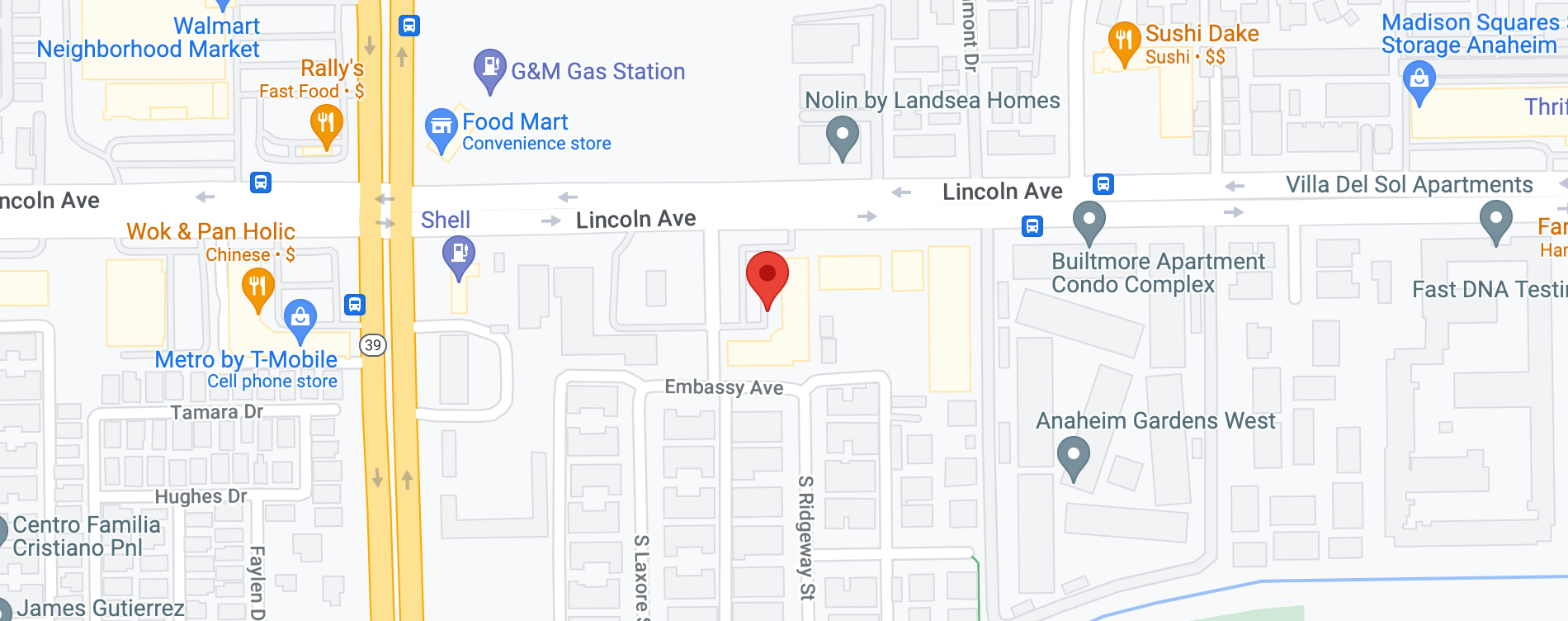
Wondering whether dental implants are right for you? Make the first move towards permanently beautiful teeth today. Schedule a comprehensive implant consultation with Beach Dental Care Anaheim to determine whether dental implants are the right option for your needs. Contact us at 714-995-4000.