
One of the most popular cosmetic dentistry treatments for improving the appearance of the teeth is dental veneers. Dental veneers are thin, usually custom-made shells placed on the front area of the teeth to enhance their shape, size, color, and overall appearance. They can effectively address problems like worn enamel, uneven teeth, minor gaps, chipped teeth, and discoloration. This helps patients achieve a brighter and more attractive smile. Before obtaining dental veneers, understanding is crucial. The cost of dental veneers can differ substantially depending on certain factors. Porcelain veneers cost more than composite veneers because of their natural appearance, stain resistance, and superior durability. You can make informed decisions by understanding the various factors that influence veneer pricing. This will help you compare treatment options and plan financially for your smile transformation.
Average Cost Of Dental Veneers
The cost of dental veneers differs significantly depending on the dentist’s experience, the complexity of the dental issue, the material used, and the geographic location of the dental practice.
Porcelain Veneers
Porcelain veneers are natural-looking and the most durable option. The average cost per tooth is $900-$2,500. With proper care, their lifespan is 10-20 years or more.
Composite Veneers
Composite veneers are applied directly to the teeth because they are made from tooth-colored resin. The average cost per tooth is $250-$1,500, and their lifespan is four to eight years
No-Prep or Minimal-Prep Veneers
Examples of minimal-prep veneers are ultra-thin veneers that require little or no enamel removal. The average cost per tooth is $800-$2500, and their lifespan is 10-15 years.
Additional costs to consider include:
- Consultation fees are approximately $50-$300. Some dentists charge this fee toward treatment.
- Diagnostic records that include dental X-rays, digital scans, photographs, and wax-up models. The cost of these services is $100-$1,000
Factors Influencing The Cost Of Dental Veneers
The following are the factors that influence the cost of dental veneers:
Longevity And Value
High-quality veneers are expensive, but they usually offer long-term value because of longer lifespan, improved aesthetics, better stain resistance, reduced maintenance needs, and greater durability. You should take into account both long-term performance and initial cost when evaluating veneer options.
Insurance Coverage
Dental insurance does not cover dental veneers because they are often regarded as cosmetic treatments. However, you can access partial coverage when veneers are needed for trauma-related restoration, structural tooth damage, and certain functional needs. The extent of insurance cover can influence your out-of-pocket expenses.
Warranty And Follow-Up Care
Some cosmetic dental treatments provide repair services, maintenance evaluations, follow-up appointments, and warranty programs. The above extra services can be reflected in your treatment fee.
Customization And Aesthetic Demands
Highly customized veneers are usually expensive. Some of the factors that influence include facial feature analysis, smile design customization, and natural translucency effects. Other factors that can significantly influence the price include individual characterization and precise shade matching. You will incur higher expenses if you are seeking highly aesthetic, celebrity-style smile makeovers. This will happen because of the increased artistic work involved.
Temporary Veneers
You will need temporary veneers while permanent porcelain veneers are being fabricated. Temporary veneers allow assessment of aesthetics and function, maintain appearance, and protect prepared teeth. The fabrication and placement of temporary veneers can significantly influence the cost of treatment.
Pre-Treatment Dental Work
You might need additional dental treatments before veneers can be placed. Some of the procedures include orthodontic treatment, root canal, tooth whitening, gum disease therapy, cavity treatment, and professional teeth cleaning. The above treatments add to the overall cost of achieving the final outcome.
Technology Used
Modern dental treatments usually use advanced technology that can significantly increase the cost of veneers. Some of the advanced technologies used include high-end milling machines, computer-guided smile design, 3D imaging equipment, digital scanners, and CAD or CAM systems. The above technologies ensure patient comfort and improve accuracy, but can increase overall treatment cost.
Laboratory Fees
Many porcelain veneers are custom-made by dental laboratories. Laboratory costs will depend on laboratory reputation, customization requirements, the skill of the dental technician, and the quality of materials. Highly skilled cosmetic laboratories usually charge premium fees because they develop exceptionally natural-looking veneers.
Diagnostic And Treatment Planning Treatments
Dentists often perform several assessments and planning procedures before veneers are placed. These can include study models, 3D imaging, x-rays, digital smile design, diagnostic wax-ups, digital photographs, and comprehensive oral examination. Advanced planning technologies often improve treatment precision and predictability, but can increase treatment costs.
Complexity Of The Dental Issue
More complicated situations often require additional time, resources, and expertise. Some of the factors that can increase the complexity include:
Bite Issues
Treatment planning and occlusal adjustments can be necessary to ensure long-term success.
Misalignment
You might need orthodontic treatment before veneers if your teeth have substantial alignment issues.
Tooth Damage
Chipped, cracked, and worn teeth can require restorative treatment before veneer placement.
Severe Tooth Discoloration
Heavily stained teeth could require additional preparation or special veneer materials.
Geographic Location
The cost of dental veneers differs widely depending on location.
International Differences
The cost of dental veneers can vary greatly between countries because of differences in economic conditions, healthcare regulations, material costs, and labor expenses.
Rural Areas
Dentists in smaller communities can offer reduced prices because of reduced overhead costs.
Urban Areas
Dental practices in major cities often have higher staff salaries, greater demand for cosmetic procedures, and higher rent and operating expenses. The above factors can increase treatment costs.
The Experience And Expertise Of The Dentist
The experience and qualifications of the dentist can greatly influence the cost of veneers. Dentists who meet certain requirements often charge higher fees. This includes dentists with strong reputations for aesthetic results and extensive veneer experience. Those with specialized certifications and advanced cosmetic dentistry training can also charge higher fees. Most people prefer paying more for dentists who consistently provide highly natural and aesthetically pleasing results.
Number Of Veneers Required
The cost of dental veneers will increase with the number of teeth being treated. Examples include:
- Full-mouth veneer treatment involving multiple lower and upper teeth
- Eight to ten veneers for a complete smile makeover
- Four to six veneers for visible front teeth, and
- One veneer for a damaged tooth
You will incur a higher cost if you require more veneers.
Type Of Veneer Material
The biggest determinant of the cost is the material used to fabricate veneers.
Porcelain Veneers
The most popular and premium option is porcelain veneers. They can last 10-15 years with proper care, provide superior stain resistance, and have excellent aesthetics and natural appearance. Porcelain veneers are more expensive than other types because they require laboratory fabrication and high-quality materials.
Composite Resin Veneers
Composite veneers are applied directly to the teeth because they are made from tooth-colored resin. They are easier to repair if damaged, have faster treatment, and lower initial cost. However, they take only four to eight years and are more prone to staining. Composite veneers are more affordable because of the lower cost of materials and simplified fabrication.
Lumineers And Ultra-Thin Veneers
Specialized ultra-thin veneers usually require proprietary materials and methods. They are expensive because of specialized branding and manufacturing.
The Durability Of Dental Veneers
More durable dental veneers can cost more than their less durable counterparts. Dental veneers can last for a longer period, but their lifespan depends on your lifestyle habits, oral hygiene, and the type of veneer. Porcelain veneers can last 10-15 years. Sometimes, they can last 20 years or more with proper care. On the other hand, composite resin veneers can last four to eight years. Some of the factors that influence the longevity of dental veneers include:
Patient Compliance With Care Instructions
You will achieve the best results if you follow professional recommendations. Some of the instructions include attending follow-up appointments and avoiding harmful habits. You should also observe oral hygiene and wear prescribed night guards. The lifespan of your dental veneers can be significantly reduced if you fail to follow these recommendations.
Number And Location Of Veneers
Veneers placed on teeth that experience significant biting forces will wear out faster. Some factors include extensive veneer cases involving multiple teeth, patients with heavy chewing habits, and front teeth used for biting hard foods. The right treatment plan will help distribute forces evenly.
Choice Of Toothpaste And Oral Care Products
Certain oral care products can be overly abrasive. Use veneer-friendly products, non-abrasive fluoride toothpaste, and soft-bristled brushes. Avoid aggressive brushing methods, hard-bristled toothbrushes, and highly abrasive whitening toothpastes.
Smoking And Tobacco Use
Smoking can greatly affect your oral health and veneer longevity. Some of the effects include a higher likelihood of oral health issues, delayed healing, staining of surrounding teeth, and increased risk of gum disease. You will experience better long-term results if you avoid tobacco.
Trauma And Accidents
Physical injuries can greatly impact the lifespan of your veneers. Examples include facial trauma, motor vehicle accidents, falls, and sports injuries. Some of the protective measures you should take include using appropriate safety equipment and wearing mouthguards during contact sports.
Age Of The Veneers
Properly maintained veneers also experience gradual wear over time. Natural aging can cause gum recession around margins, changes in bonding strength, minor chips, and surface wear. Replacement will be required, even with proper care.
Regular Dental Checkups
Frequent dental visits help identify dental issues before they become severe. Your dental expert can assess veneer integrity, detect early signs of decay or gum disease, remove plaque and tartar, and check bite alignment. Most patients require assessment and professional cleanings every six months.
Bonding Method
The adhesive process is important to veneer longevity. Proper bonding enhances durability, prevents microleakage, and creates a strong connection between veneer and tooth. On the other hand, poor bonding will result in early failure, sensitivity, and veneer detachment.
Amount Of Remaining Natural Tooth Structure
The condition of the underlying tooth will significantly affect the success of the veneer. Teeth with minimal decay, good structural integrity, and adequate enamel will provide stronger bonding surfaces. Veneers bonded to enamel tend to experience fewer failures, maintain stronger adhesion, and last longer.
Habits That Damage Veneers
Most daily habits can make the lifespan of veneers shorter. This includes biting hard objects, chewing ice, biting fingernails, opening packages with teeth, chewing pens or pencils, and nail biting. The above habits can increase the risk of debonding, cracking, and chipping.
Bite Forces And Occlusion
Occlusion refers to how the lower and upper teeth meet. Issues like crossbites, deep overbites, uneven pressure distribution, and misaligned bites can put excessive stress on veneers. A properly balanced bite helps improve restoration longevity, reduce wear, and prevent fractures.
Teeth Grinding And Clenching
Teeth grinding and clenching are one of the major causes of veneer damage. Excessive grinding can cause veneers to loosen, weaken bonding, chip veneer edges, and crack veneers. If you have bruxism,you can benefit from night guards, bite adjustments when necessary, and stress management methods.
Diet And Eating Habits
Certain habits and foods can affect the lifespan of veneers. Some of the foods that can cause damage include unpopped popcorn kernels, hard crusts, nuts in shells, ice cubes, and hard candies.
Drinks and foods that can cause staining include tobacco products, cola beverages, red wine, tea, and coffee.
Gum Health
Healthy gums provide protection and support for veneered teeth. Gum disease can increase the risk of decay and restoration failure. It can also affect aesthetics, expose veneer margins, and cause gum recession.
Veneer Application Process
The veneer application process involves several stages. You will incur costs at every application stage. Different dental clinics may follow varying procedures, but the end results are the same. The typical veneer application process includes:
Initial Consultation And Assessment
During consultation and assessment, your dental expert will do the following:
- Assess your gums and teeth
- Review your medical and dental records
- Take X-rays if possible
- Discuss cosmetic goals and expectations
- Determine if veneers are the best treatment option
However, not all patients are eligible for veneers. You will need additional treatment before veneers can be placed if you have severe tooth decay, gum disease, or significant teeth-grinding habits.
Treatment Plan
Your dentist will create a treatment plan once veneers are determined to be appropriate. He/she will do the following:
- Take photographs of the teeth
- Develop digital scans and impressions
- Preview expected results using smile-design software
- Choose the desired tooth shade, size, and shape
The dentist will perform the above to ensure that the veneers match your facial features and aesthetic preferences.
Tooth Preparation
The dentist will remove a small amount of enamel from the front surface of each tooth for traditional porcelain veneers. He/she will put you under local anesthesia, remove 0.3 to 0.7 mm of enamel, and reshape the tooth surface to accommodate the veneer. This preparation ensures the veneer fits naturally without making the tooth appear bulky.
However, some modern veneers require less or no enamel removal. The modern veneers preserve more natural tooth structure, but cannot be the best for every situation.
Taking Impressions
The dentist will do the following after tooth preparation:
- Take traditional impressions or digital scans
- Take the impressions to a dental laboratory
- Custom veneers are fabricated based on the dental expert’s specifications
The above process often takes one to three weeks.
Temporary Veneers
Temporary veneers will be placed if substantial enamel is removed. Temporary veneers protect prepared teeth, maintain appearance, and allow you to test the feel and look of the future veneers. However, you should avoid sticky or hard foods while wearing temporary restorations.
Veneer Fabrication
The following will happen at the dental laboratory:
- Skilled technicians develop veneers from porcelain or ceramic materials
- Customize color, translucency, and shape
- Apply several layers to achieve a natural appearance
High-quality laboratories often play a major role in the final aesthetic results.
Try-In Appointment
The dentist will evaluate fit, shape, color, alignment, and overall appearance before permanent bonding. He/she will make minor adjustments before final placement.
Bonding The Veneers
The dentist will do the following once the veneers fit properly:
- Clean your teeth and polish
- Etch your tooth with a mild acidic solution
- Apply a special dental adhesive
- Position carefully the veneer
- Use a curing light to harden the bonding material
- Remove excess cement
The above properties make a strong bond between the veneer and tooth.
Final Adjustments
The dentist will do the following after bonding:
- Check the bite
- Make necessary adjustments
- Polish the veneers, and
- Provide aftercare instructions
Planning Your Budget For Dental Veneers
The best budgeting strategy you can adopt for your dental veneers can be as follows:
- Consult multiple qualified cosmetic dentists
- Request a written treatment plan and cost estimate
- Inquire regarding all related fees, not only the cost of veneers
- Confirm if preliminary treatment is required
- Compare payment plans and financing options, and
- Set aside finances for maintenance and eventual replacement
You can control the cost by:
- Treating only the teeth that need veneers
- Determine whether composite veneers are the best for your case
- Observe proper oral hygiene to maximize veneer lifespan
- Go for dental checkups regularly
- Wear a night guard if you have grinding or clenching teeth issues
- Compare treatment plans from various reputable dental experts
Find A Skilled Cosmetic Dentist Near Me
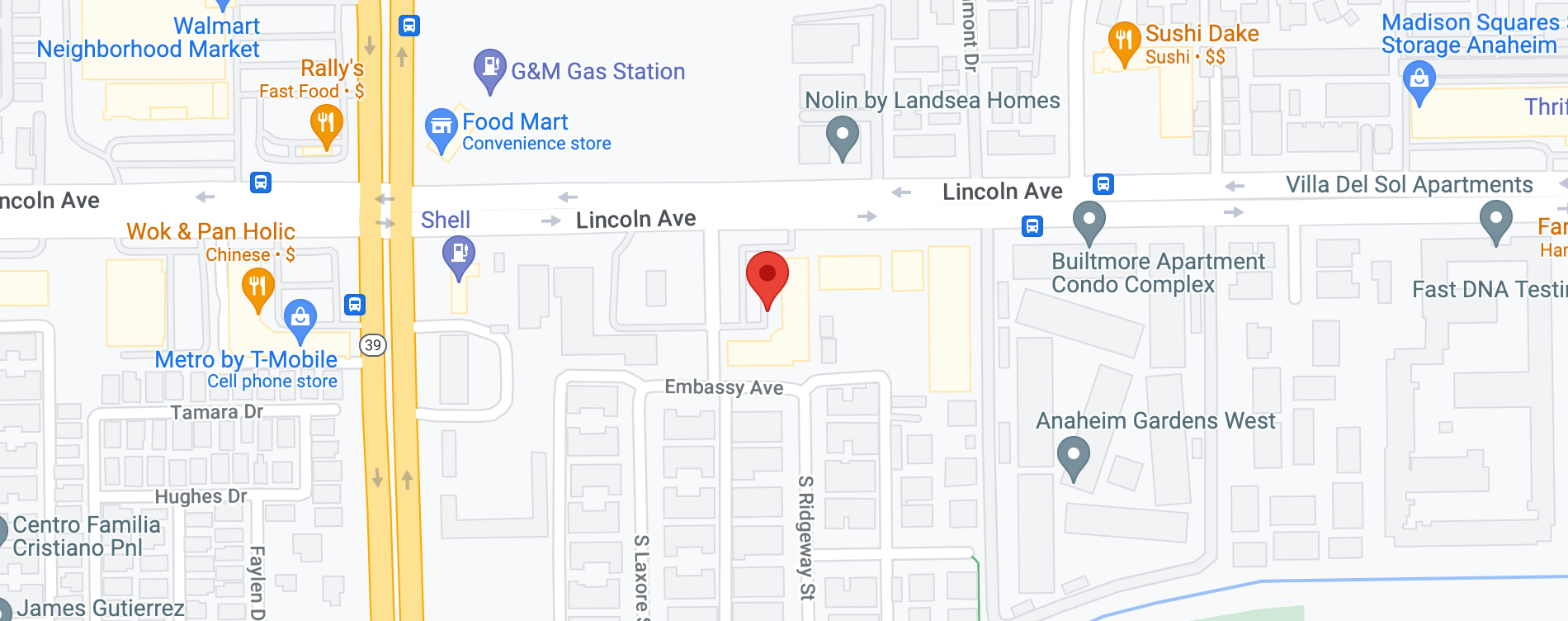
Dental veneers can significantly enhance the aesthetics of your teeth. Most people shy away from dental veneers due to the fear of incurring hefty costs. The cost of dental veneers can vary depending on many factors including the type of veneer, the dentist’s experience, location, other accompanying dental treatments, among other factors. For more information about dental veneers and the associated costs, contact Beach Dental Care Anaheim. Call us at 714-995-4000 to speak to one of our dentists.