
A flawless smile boosts your confidence and general look. Nevertheless, a chipped tooth, especially on the posterior teeth, can dent your smile and overall look. Fortunately, you can change the appearance of the chipped teeth using veneers. Dental veneers will not only improve the appearance of the chipped teeth but also offer protective qualities and eliminate the need for nuanced dental treatments. So, when you chip a tooth, you want a repair that will cover the flaws, blend with the other teeth, and strengthen the tooth, and this is what veneers are for you. Here is a guide to give you an in-depth understanding of the veneers, veneer types, benefits, and expectations.
Overview of Veneers
Veneers are ultra-thin covers or shells made of porcelain or composite resin that are re-cemented over the front or visible surface of the tooth to hide chips and other tooth imperfections. Generally, veneers are classified as a cosmetic dental solution, but they have protective properties. The dentist uses high-quality composite or porcelain material to fabricate veneers, making them look like natural teeth.
Each veneer material has its advantages and disadvantages. The most prevalent veneer type is porcelain veneers. They are translucent, hence they reflect the light off the natural teeth, giving you a natural look. So, once your chipped tooth is repaired, it easily blends with the adjacent teeth. The ceramic material used to fabricate these shells is highly durable, highly resistant to staining, and can last approximately ten to fifteen years.
The other veneer type is composite resin veneers. They are made from a mixture of organic or inorganic material or composite material. Even though the material is not as durable as the ceramic used in porcelain veneers, it mimics the color of the natural tooth and is easy to repair after a chip. Additionally, a composite veneer procedure can be completed in a single visit. These veneers are cemented directly to the teeth without the need for fabrication.
How Veneers Work
When a tooth chips, its appearance and structural integrity are compromised. Veneers improve the appearance of your teeth and smile by camouflaging or covering the cosmetic imperfections on the visible or front surface of the tooth. When you opt for veneers, you are choosing to fix cosmetic flaws and reinforce the chipped tooth to restore its functionality and integrity.
Benefits of Choosing Veneers for a Chipped Tooth
When it comes to improving your smile after chipping your tooth, you have several options to choose from, including veneers. The primary benefits you should consider to determine if a veneer treatment is suitable for your teeth include:
Veneers Help Conserve the Tooth Structure Already Weakened by the Chip
Before attaching a veneer to the chipped tooth, the dentist must trim the enamel to reduce it by at least 0.5 millimeters to enable the veneer to sit properly, covering the flawed tooth. It means that only a very small portion of the enamel is removed. The enamel trimming is only performed on the front surface of the tooth. The corners and the back of the tooth remain untouched because installation is only done on the front surface. Other options, such as composite veneers, involve minimal or no enamel extraction. With little or no enamel removed, the structural integrity of the tooth remains uncompromised, which is crucial, especially now that the chipped tooth is already weakened. So, even when you remove the veneer, the tooth will not be prone to chipping again, making the treatment reversible.
A chipped tooth is weak at the chipping point, and you do not want to remove enamel further because this will weaken it. Even though you cannot avoid minimal trimming, you can reduce the amount of enamel removal required to preserve the tooth. Veneers give you this option, unlike other cosmetic solutions, such as crowns, which require extensive enamel removal on all sides of the tooth for proper crown placement. Even though the crown will strengthen the tooth, once removed, the tooth will be more prone to chipping.
Veneers are Highly Durable
After installation and proper maintenance, porcelain veneers can last 10 to 15 years, while composite resin veneers can serve you for 5 to 7 years. The initial cost of installation for porcelain veneers ranges from $1,000 to $2,500, while composite veneers cost roughly $400 to $2,000 per tooth. With veneers lasting this long, they become a wise investment that helps you save money in the long run.
Also, the porcelain material used in veneers is incredibly resistant to chipping and breakage. Therefore, once you install these coverings, you reinforce your tooth’s enamel, reducing the risk of damage. If the repaired tooth is not prone to chipping, the covering will serve you for years before requiring replacement.
Veneers Dramatically Improve the Appearance of Your Smile
The color, translucency, and texture of veneers resemble those of healthy natural teeth, making it difficult to distinguish them from other teeth. Also, they are easy to tailor to your specific needs, enabling you to achieve your aesthetic goals. Additionally, they give you an instant, natural smile because they can be installed in a single visit, particularly the composite veneers. After all, no fabrication is required. Also, porcelain veneers can be completed on a single visit if you partner with a cosmetic dentistry service that has in-house advanced dental technology to enable same-day veneer fabrication.
Porcelain Veneers are Stain-Resistant
The porcelain used to fabricate veneers is non-porous. So, when you opt for this material for your dental appliances, you can be assured of a long-lasting smile, as it naturally resists staining from beverages like red wine and coffee.
Additionally, veneers do not expose the gum lines even after a decade. So, you can preserve the beauty you attain on the first day for several years.
Veneers offer several benefits beyond enhancing the appearance of a chipped tooth. They offer the chipped tooth longevity and protective qualities that might not be available in other treatments for repairing a chipped tooth.
Expectations in the Journey to a Flawless Smile
When you experience a chipped tooth or another minor dental imperfection that is impairing your smile, and you are considering veneers to restore a flawless smile, you must first understand the procedure. Knowing what to expect from the initial consultation to attaining your cosmetic goal will reduce anxiety and increase the chances of the treatment meeting your expectations.
If you opt for porcelain veneers, you will need two dental appointments if the dentist does not have in-house CAM/CAD technology. The two visits happen over a period of six weeks. Each dental appointment is detailed and lasts multiple hours, including examination and chipped-tooth prepping. Your cosmetic dentistry service must provide various amenities, especially those that help you stay calm during the procedure, such as:
- Sedation
- Massage, which is commonly available in dental spas
- audio /visual distractions
You can inquire from your dentist about the available amenities that can help with relaxation.
The other phase of the treatment is the examination and diagnostics. The dentist must first examine the tooth to determine the cause of the chipping before administering treatment. You will also work with the dental expert to identify the appropriate one for your tooth. Your dental expert can also use advanced technology to show you a preview of the outcome you can expect once the treatment is complete. They will also provide you with before-and-after photos of former clients with chipped teeth so you can examine them and know what to expect.
Steps Involved in a Veneer Procedure
There are several steps involved in a veneer procedure, depending on the material you choose. Whatever material you choose, the treatment will start with a thorough examination to determine if you are a candidate for the procedure. This happens during the initial consultation, which is the first step in your journey to a flawless smile after suffering a chipped tooth.
- Initial Consultation
Even if you are considering veneers for your chipped tooth, you must undergo a thorough assessment to determine if you are a candidate for the procedure. The dentist schedules a preliminary consultation to evaluate the chipped teeth and your overall oral health to determine if you are a candidate for veneers. Most treatment options for repairing a chipped tooth are irreversible, making it crucial to discuss your options and find a less invasive solution. Tooth chipping is a minor dental defect that can be repaired with dental veneers. However, if the chip is deep and compromises the tooth's strength, a veneer will not restore its strength, so your dentist might recommend dental crowns.
Similarly, the dentist will assess the health of the chipped tooth. A veneer primarily conceals imperfections of the visible tooth surface. So, if the tooth in question suffers from other oral concerns, such as gum disease or decay, the dentist must first provide these complementary treatments before fitting veneers to ensure the teeth have a solid foundation.
Also, the dentist will inspect your bite to protect the veneer from excessive pressure during chewing, which could increase the risk of treatment failure.
If the dentist determines that you are a candidate for the treatment, it is time to express the objectives you want to fulfill. Share your preferences, including the length, width, shape, and shade of the veneer, as well as the modifications you would like to make to your smile, to ensure the treatment achieves your goal. When dental professionals understand your cosmetic objective, it will be easier to meet your expectations. Ensure that the dentist understands what you want from the treatment.
- Chipped Tooth Preparation
Before placing a veneer, the dentist must ensure the front surface of the chipped tooth is smooth to minimize the risk of treatment failure. To achieve a smooth surface, the dentist must remove half a millimeter of enamel from the front of the tooth, where the veneer is to be placed. Enamel extraction, even when the dentist removes only a minimal amount, can be uncomfortable. Before prepping the tooth, your dentist will administer a local anesthetic to numb the area around it. Once the area is numbed, the dentist will reshape the tooth to ensure proper cementation. The reshaping is done using a bur to achieve the perfect fit. Burs come in varying sizes and shapes, enabling accurate, minimal enamel reshaping.
- Cementing Direct Composite Material to the Prepped Tooth
If you have selected composite resin as your veneer material, the dentist will apply the material to the tooth, shape it, and harden it with a high-intensity light to achieve the intended shape and size. In some cases, the dentist will apply multiple layers of the composite, especially on the chipped area, to attain the specification discussed initially. After the material is cemented, the dentist will use a bur and a polisher to polish the composite for a flawless smile.
Who should use composite resin veneers? With composite veneers, you can repair your chipped tooth without altering the structure of your tooth. So, if you are young and do not want to make irreversible changes to your teeth, you should consider using composite veneers. That way, if you change your mind in the future and want to remove the veneer, you can do so without having to undergo a comprehensive dental procedure to preserve the integrity of the tooth. Additionally, adults who are undecided about the best solution for repairing chipped teeth can use this option.
- Making an Impression of the Prepped Tooth
When you get porcelain veneers to repair a chipped tooth, the next step after preparing the tooth is to make an impression of your teeth for a mold of your entire mouth. The mold will guide the dental lab technician in fabricating the veneers. Fabrication can be done in-house if your dental clinic has invested in the right technology, or sent to an outside dental lab if in-house fabrication is unavailable.
Outside fabrication can take weeks, meaning you will wait longer and require another appointment for veneer placement. You will be prone to tooth sensitivity because of tooth reshaping, so your dentist will fit temporary veneers to protect the teeth from sensitivity as you wait for the permanent veneers. Temporaries can give you a comprehensive preview of what to expect from the permanent restorations.
If your dentist has invested in chairside CAD/CAM technology, you will not need temporaries because the final restorations can be fabricated and attached on the same day.
- Final Bonding
Once the final restorations are ready, the dentist will inspect their size, shape, shade, and fit before bonding them to the front surface of the chipped tooth. The dental expert will clean the tooth in question to ensure proper bonding, then use a special dental cement to attach the veneer. The cement is then hardened using high-intensity light. After permanently bonding the restorations to the teeth, the dentist will polish the veneers and check your bite to ensure even pressure distribution.
If you want to make alterations to the veneers, it is not too late to share the information with the dentist. If the alterations are minor, they can be performed on the same day, and once satisfactory, the dentist will permanently cement the restoration.
Recovery and Aftercare
Veneers are incredibly durable and can even last for more than a decade with proper care. After the procedure, you should continue your biannual dental visits for examinations to keep your teeth healthy and help your restorations last longer.
Veneers should not replace your oral hygiene practices. Therefore, even after treatment, you should continue brushing and flossing your teeth normally with a non-abrasive toothpaste and a soft-bristle toothbrush. Also, you should brush your teeth thirty minutes after consuming tea, coffee, or wine to protect your restorations from staining.
Flossing is also encouraged to prevent debris buildup at the junctions between the veneers and the gum margins. If you allow debris and plaque to accumulate in these areas, you risk infection and various complications, such as tooth decay and gum disease.
Lastly, steer clear of whitening products, as they can scratch the veneers, leaving you without the perfect smile.
Caring for your New Flawless Smile
You must be careful not to damage or break your restorations, as, although they are durable, they are prone to damage given their ultra-thin nature. Your dentist will provide you with several post-procedure tips or instructions to protect the restorations from damage.
Dentists encourage patients who receive veneers to avoid biting into crunchy or hard foods, such as carrots and apples, because these foods could dislodge the veneers. If you must eat the crunchy foods, use the anterior teeth, as these are not fitted with veneers.
If you have teeth-clenching or grinding habits, dental professionals encourage you to wear customized night guards. Patients in sports, especially contact sports, are encouraged to use mouthguards to prevent impact that could crack the veneer or damage the chipped tooth you are camouflaging.
Find a Competent Veneer Dental Expert Near Me
If you have a chipped tooth, veneers can restore your flawless smile. By understanding veneers, their benefits, the process involved, and aftercare, you can choose veneers or any other alternative that best suits your oral needs. Consult with an experienced dental expert to discuss your expectations and your candidacy for the procedure.
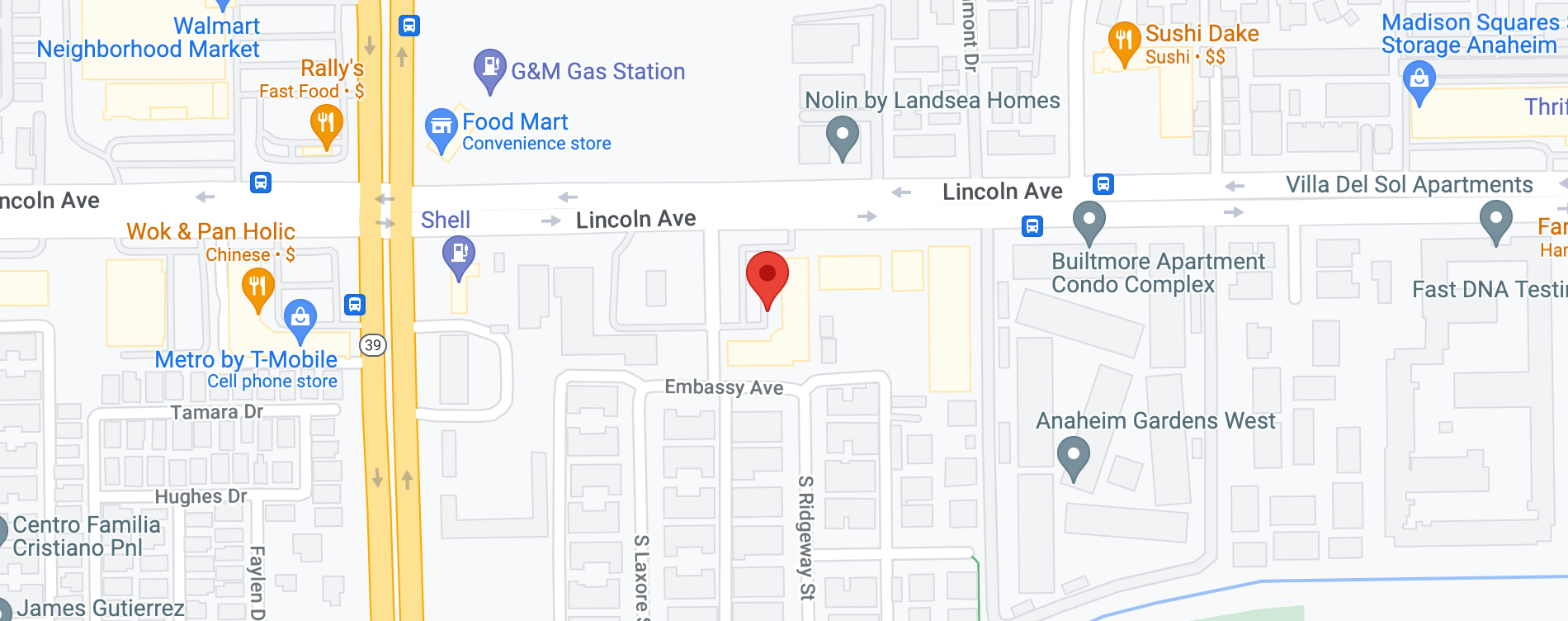
At Beach Dental Care Anaheim, we will discuss the available options for repairing the chipped tooth and help you commence your journey towards a perfect smile. Call us at 714-995-4000 to schedule a free consultation.