
Orthodontic headgear is a specialized dental appliance used to resolve significant problems with tooth and jaw alignment. Although braces move teeth into better positions, headgear works differently. The device applies controlled pressure to guide jaw growth and improve tooth alignment.
Orthodontists frequently prescribe headgear for pediatric or teenage patients. At this stage, it is relatively easy to guide jaw growth to prevent more severe malocclusion. Headgear can help correct severe bite problems. Orthodontic headgear is less common today because newer orthodontic technologies are available.
Despite this, it is still a useful appliance for correcting certain malocclusions. When used correctly, it can improve dental function, facial aesthetics, and overall oral health. A reputable dentist can evaluate your child’s dental condition during a consultation to determine whether they are a suitable candidate for orthodontic headgear.
What Is Orthodontic Headgear?
Orthodontic headgear is an external orthodontic device. A dentist attaches the device to a patient’s head or neck, and it connects to braces or dental appliances inside the mouth. The main purpose of orthodontic headgear is to apply gentle pressure to the teeth to guide their alignment. Unlike braces, which focus mainly on moving individual teeth, headgear works on a larger scale.
Wearing headgear affects jaw growth and the position of tooth groups. This function makes it effective for correcting more severe bite problems. An orthodontist may recommend headgear for patients with malocclusion, a condition where the teeth and jaws do not align properly when the mouth closes.
This condition can affect how a person bites, chews, and speaks. In some cases, malocclusion can change the appearance of your face. An orthodontist can recommend orthodontic treatment when the following conditions exist:
-
Overbite
An overbite occurs when the upper front teeth overlap the lower front teeth too much. A small overlap is normal. However, a deep overbite may lead to excessive wear on the lower teeth. Some people experience jaw discomfort or gum irritation due to an overbite.
-
Overjet
"Overjet" refers to upper front teeth that stick out too far in front of the lower teeth. A large overjet can make the teeth more vulnerable to damage in an accident. Also, it can affect a person’s bite and appearance. Headgear can help guide the upper jaw backward or slow its growth. Such behavior creates better alignment between the upper and lower teeth.
-
Underbite
An underbite happens when the lower teeth extend in front of the upper teeth. This condition can make chewing difficult. It may also cause uneven tooth wear and strain on the jaw joints. Orthodontic headgear can help adjust jaw growth and improve tooth position.
-
Crossbite
A crossbite occurs when some upper teeth sit inside the lower teeth instead of outside them. This can affect the front teeth, back teeth, or both. Crossbites can cause uneven tooth wear and jaw discomfort. Headgear can help guide the jaws into a better position.
-
Crowded teeth
Teeth crowding occurs when the space in the mouth is insufficient for teeth to fit correctly. This may cause the teeth to twist, overlap, or grow at different angles. Crowded teeth can make brushing and flossing harder, increasing the risk of cavities and gum disease. Orthodontic headgear can help create space and guide the teeth into better alignment.
When these problems are severe, braces alone may not be enough to correct them. Headgear works by applying consistent pressure on the teeth and jaws. This pressure encourages the bones of the jaw to grow in a particular direction or slows growth in certain areas. Treatment with orthodontic headgear is more effective for teenagers and children since their bones are still developing.
The Main Parts of Orthodontic Headgear
Several components make up orthodontic headgear. These parts all play a role in directing tooth and jaw alignment. They apply the necessary force to correct the malocclusion. The main components of orthodontic headgear are:
Facebow
The facebow is a piece of metal wire that connects the appliance outside of the oral cavity to the teeth within the oral cavity. The facebow consists of two parts. The inner bow fits inside the mouth and is secured to the metal bands of the upper first molars. The first molars are the teeth located at the back of the mouth.
The outer bow sits outside the mouth and extends forward to connect to headgear straps. The facebow transfers pressure from the external headgear to the teeth. This pressure helps move the molars or guide the growth of the upper jaw. The orthodontist adjusts the facebow to ensure the correct amount of force is applied.
Headcap or Straps
The headcap or straps are the parts of orthodontic headgear that wrap around the head or neck. Their main job is to anchor the appliance and hold it in place. Different types of headgear use different strap positions. Some straps go around the back of the neck, while others go over the top and back of the head.
Depending on the kind of malocclusion, the orthodontist will position the straps at different locations. The resistance produced by these bands exerts a continuous force on the teeth and jaws. The orthodontist will stretch the rubber bands over the device's hooks to ensure a comfortable fit.
Elastic Bands and Hooks
Elastic bands are another component of the orthodontic headgear. These are tiny rubber bands that secure the facebow to the head straps. The elastic bands provide the tension that shifts the teeth and jaw. Depending on the treatment requirements, orthodontists will choose elastics of varying strengths.
Also, they use hooks to attach the elastic bands to the facebow or braces. These hooks secure the elastics while the device is in use. The elastic bands can stretch or weaken over time. Because of this, orthodontists might suggest that patients change them often.
Chin Cup or Forehead Pad
A chin cup is present on some types of headgear. This component helps stabilize the appliance and enhance its comfort. The chin cup distributes pressure more evenly and maintains the appliance's proper placement. This design is common in reverse-pull headgear, which orthodontists use to treat underbites.
A forehead pad sits against the forehead and helps support the appliance's frame. Additionally, this part spreads the pressure over a larger area to ensure maximum comfort.
Who Needs Orthodontic Headgear?
Orthodontists recommend headgear for children and teenagers. Your child can receive this device between the ages of 7 and 13. During this stage, the bones of the face and jaw can still be guided into better alignment. Sometimes, adults can use orthodontic headgear. However, it is less common because their jawbones have already finished growing.
Adults may require other treatments such as braces, aligners, or even jaw surgery. After considering the following factors, the orthodontist decides if you need headgear:
-
The position of the teeth
-
The relationship between the upper and lower jaws
-
The patient's facial structure
-
The growth patterns of the teeth and jaws
-
The severity of the bite problem
The length of orthodontic headgear treatment varies depending on the severity of the dental problem. Most patients wear headgear for 12 to 14 hours per day. Some orthodontists recommend wearing it for longer periods to speed up treatment. The total treatment time ranges from 12 to 24 months. After fitting the device, the orthodontist will recommend consistency. Skipping days or wearing the appliance for fewer hours can slow progress and extend treatment time.
Types of Orthodontic Headgear
Orthodontists use different types of headgear depending on the type of bite problem. Common types of orthodontic headgear include:
Cervical-Pull Headgear
Cervical-pull headgear is commonly used to treat an overbite. In this case, the upper teeth, or upper jaw, extend too far forward compared to the lower teeth. This type of headgear includes:
-
A facebow connected to the upper molars
-
A strap that wraps behind the neck
The neck strap creates backward pressure on the upper jaw. This pressure helps slow the forward growth of the upper jaw. Also, it allows the lower jaw to catch up. Your child can wear orthodontic headgear after school or overnight. Consistent use helps guide jaw growth during the child’s development.
High-Pull Headgear
High-pull headgear is another appliance used to correct overbites and overjets. It is similar to cervical-pull headgear but uses straps that go over the head rather than around the neck. The alignment of the high-pull headgear allows the appliance to apply pressure in a slightly different direction. Instead of pulling the upper jaw straight back, it pulls it upward and backward.
Dentists recommend high-pull headgear when the upper jaw grows too fast or when a person has an open bite. This type of headgear works to slow the vertical growth of the jaw, thereby aiding in the creation of a proper bite.
Reverse-Pull Headgear
Reverse-pull headgear, also called a face mask, is used to treat underbites. This condition can interfere with chewing, speech, and facial symmetry. Reverse-pull headgear resolves the problem. It brings the upper jaw forward to meet the lower jaw. Reverse-pull headgear has the following parts:
-
A frame positioned in front of the face
-
A forehead pad
-
A chin cup
-
Elastics connected to braces or dental appliances
The elastics apply forward pressure to the upper jaw. This encourages it to grow and move into the correct position.
What to Expect When Wearing Headgear
Wearing orthodontic headgear can feel unusual at first. However, many patients adjust within a few days. The following is what to expect when wearing headgear:
Initial Discomfort
Mild discomfort is common when you first start wearing headgear. The device exerts mild pressure on your teeth and jaw. This pressure is used to direct growth and to move teeth into better alignment. The pressure may cause your teeth and jaw to be sore at first. Some patients describe it as a dull ache or a tight feeling. During the initial days of treatment, the pain manifests.
The discomfort from orthodontic headgear fades as the mouth adjusts. If the soreness is severe, over-the-counter pain relievers may help. Following the orthodontist’s instructions regarding wear time can also reduce discomfort.
Speech and Eating
Your orthodontist will instruct you to remove your headgear when you eat. This is to help with chewing and to protect the appliance from damage. Your speech may feel different, especially if part of your appliance is intraoral. Some patients experience a slight change in word pronunciation. This change is temporary and resolves within a few days.
Daily Routine Adjustments
Patients often wear headgear at home and while sleeping. Many orthodontists recommend wearing it for about 12 to 14 hours each day. Wearing it ensures excellent results. Putting the appliance on correctly may take some time. However, patients usually learn quickly with guidance from their orthodontist.
Social Concerns
Some patients feel self-conscious about wearing headgear, especially children and teenagers. Because of these concerns, the orthodontist will often recommend that the child wear it at home or overnight. This arrangement makes the patient more comfortable with the treatment. Gradually, the patient becomes accustomed to wearing orthodontic headgear. Regular use will ensure proper treatment progress.
Benefits of Orthodontic Headgear
Orthodontic headgear offers significant benefits to individuals with malocclusion and jaw misalignment. These benefits include:
Improved Bite Alignment
Orthodontic headgear helps correct bite problems. Individuals with serious overbites, underbites, or overjets may not have their upper and lower teeth fit together properly. Headgear is designed to place constant pressure on the teeth and jaws to guide their proper positioning.
Better Facial Balance
Headgear can influence jaw growth during childhood and adolescence. When the upper or lower jaw protrudes too far forward or sits too far back, it can affect facial balance. Headgear helps correct the facial profile by modifying the growth pattern of the jaw. It helps the upper and lower jaws to grow uniformly. These improvements become increasingly obvious as the treatment advances.
Reduced Need for Surgery
Another advantage of headgear is that it can help correct jaw problems when intervention occurs at an early age. It is important to correct jaw problems while the bones are still growing. Fixing serious jaw problems in adults may require corrective jaw surgery. Early orthodontic treatment using orthodontic headgear may prevent or reduce the need for jaw surgery.
More Effective Orthodontic Treatment
Headgear helps braces work more effectively. While braces move individual teeth, headgear guides the position of the jaw and molars. This combination allows orthodontists to treat complex alignment problems. Additionally, it helps create long-lasting orthodontic results.
Possible Risks or Side Effects of Orthodontic Headgear
When used as directed, orthodontic headgear is safe. However, like other orthodontic procedures, wearing the device may have a few side effects. They include:
-
Mild Tooth and Jaw Soreness
Headgear can cause some discomfort for the first few days as the teeth are tender. The headgear applies pressure on the teeth and jaw to move them into place. The soreness should go away as the mouth adjusts to the appliance. Wearing headgear as instructed by the orthodontist can help the mouth adapt more quickly.
-
Skin Irritation
Headgear straps rest on the head, neck, or chin. As a result, some patients may notice mild skin irritation in those areas. The skin may become slightly tender or irritated. Such irritation may occur due to friction from ill-fitting straps. In this case, orthodontists can help by adjusting the strap.
-
Difficulty Adjusting to Wearing It
Some patients have difficulty adapting to headgear. Patients may feel embarrassed and awkward for the first few days. After a few days, the discomfort will disappear as headgear usage becomes routine.
-
Slower Treatment if Not Worn Properly
Headgear only works well when it is worn as instructed by the orthodontist. Inconsistent use can slow progress and reduce the appliance's effectiveness. If your child receives this device, you must ensure that they follow all the instructions.
-
Risk of Injury if Used Improperly
There is a small risk of injury if headgear is not used correctly. The facebow and metal parts can cause harm if the appliance snaps. Patients can lower this risk by following the instructions for wearing it. If your child has the device, make sure they don't do rough activities while wearing it.
Find Reliable Dental Services Near Me
Orthodontic headgear is a powerful tool for correcting serious bite problems. The device guides jaw growth during childhood and adolescence. This task is achieved by applying controlled pressure to the teeth and jaw. An orthodontist can recommend this device to correct overbites, underbites, and jaw misalignment. Orthodontic headgear has different parts that work together to achieve the desired tooth position and jaw alignment. Different types of headgear are available.
The orthodontist will recommend the right one depending on the severity of the issue. Headgear can produce significant improvements in dental function. When used alongside other orthodontic treatments, it can help patients achieve a healthier bite and a more balanced smile. Young children and adolescents benefit more from orthodontic headgear because their jaws are still developing.
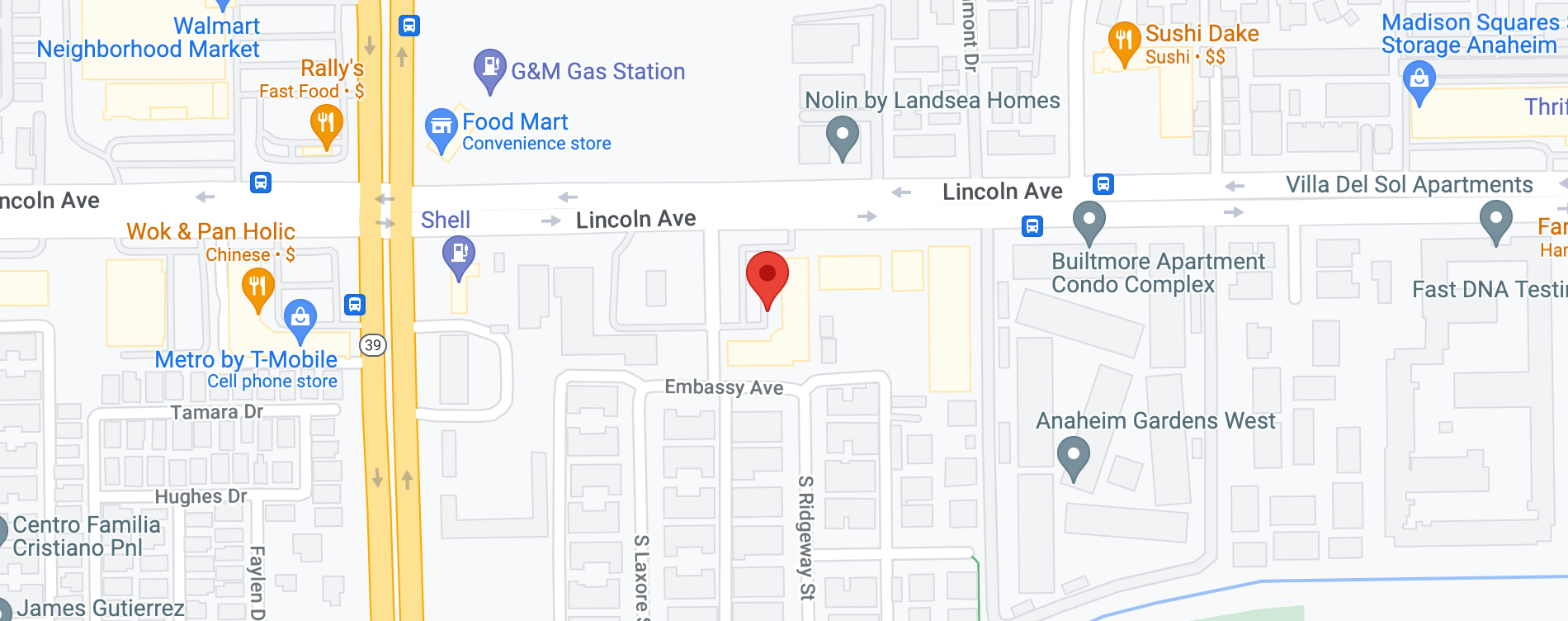
Early assessment and treatment can improve effectiveness and produce desired outcomes. If your child has bite alignment issues, you should consult a reliable dentist. At Beach Dental Care Anaheim, we provide safe, reliable dental care to our clients in Anaheim, CA. Call us at 714-995-4000 to book your appointment.