
Many people usually feel jittery about going to the dentist for treatment or checkups. This anxiety can result from the worry that they will receive bad news or from a previous painful experience. Sadly, avoiding dental visits can contribute to poor oral health, worsening the problem, particularly if treatment is necessary.
Sedation dentistry provides an effective solution to the anxiety problem, assisting those with a sensitive gag reflex or phobia in receiving the required dental care in a stress-free and comfortable way. This blog explains everything you need to know about sedation dentistry, including what it is, how it works, its advantages, possible side effects and risks, and precautions to take.
What Sedation Dentistry Means
Sedation dentistry refers to a form of dental treatment that uses medication to help dental patients relax during treatment. Dentists use this form of therapy to help individuals with dental fear or anxiety obtain the dental care they require. In addition, sedation dentistry is used to assist patients with a strong gag reflex or for whom sitting still for extended periods is difficult. Dentists can also use this treatment for more intricate dental procedures. These include:
- Dental implants
- Wisdom tooth extractions
- Root canal therapy
- Dental fillings
- Deep cleanings
- Treatment of gum disease
- Cosmetic procedures
Some people also refer to sedation dentistry as relaxation dentistry, even though that is not wholly accurate. Many patients stay awake yet deeply relaxed. Dental sedation could be minimal, moderate, or deep. Minimal sedation is when you are awake, though calm and comfortable. Moderate or mild sedation is when you might slur while talking and not recall much about the procedure. On the other hand, deep sedation is when you cannot be easily aroused but respond purposefully to repeated or painful stimulation.
How Sedation Dentistry Works
Medications that impact the body's central nervous system are administered to induce sedation, promoting a calmer mood and reducing pain perception. These medications, which are often administered by injection, orally, intravenously, or by inhalation, help patients to feel less uncomfortable and anxious while still being able to interact with and respond to the dental professional.
Sedation enhances dental appointments by targeting brain circuits that control stress and pain. It is a precisely calibrated method that ensures patient comfort and relaxation, and makes essential dental treatments easier, especially for individuals with dental phobias or anxiety.
It promotes a more approachable and less stressful dental care technique. The duration of sedation varies; dental professionals estimate how long it will last.
Dental Sedation Options
The most prevalent types of sedation used in sedation dentistry are IV sedation, oral sedation, and nitrous oxide. Each type is administered differently and impacts patients in various ways. Your dental professional will suggest a particular type of sedation contingent on factors such as your anxiety level for the dental procedure you will undergo, the duration of the treatment, your preferences, your health, your age, and the type of dental procedure being conducted. Common sedation types include the following:
Nitrous Oxide
Nitrous oxide is a gas and is also known as laughing gas. You inhale it through a nosepiece or mask before the dental procedure. The gas is colorless and odorless and provides a gentle, non-irritating sedative effect. Once you inhale this gas, you will start feeling relaxed and calm within 3 to 5 minutes. Nitrous oxide usually achieves minimal sedation and is the most commonly used kind of dental sedation.
Your dental professional will monitor how much gas you inhale and regularly adjust your dosage during the procedure. They will administer pure oxygen via the mask once the treatment is over. Pure oxygen swiftly flushes nitrous oxide from your body. You will not feel light-headed, and you can drive after the procedure.
IV Sedation
IV (intravenous) sedation achieves the deepest sedation. This sedation is given intravenously, and dentists usually use it for more intricate procedures. It is the best option for individuals with severe anxiety and those who need to undergo a procedure that might take an extended period to be completed.
If an oral surgeon is attending to you, they will administer anesthesia before conducting the procedure. In other cases, a dental anesthesiologist will administer IV sedation, and your dental professional will perform the procedure.
During IV sedation, the dental anesthesiologist will put an IV line into your hand, which will send the drug directly into your bloodstream. They will monitor your blood pressure and heart rate during treatment and administer your dosage as necessary. You might fall asleep while undergoing the procedure. You will not remember anything regarding the procedure once you are awake.
Oral Conscious Sedation
Oral sedation involves taking prescribed medication (a pill) before the procedure. Your dentist will administer this medication about 60 minutes before the treatment, which achieves mild to moderate sedation. The prevalent sedative administered is Halcion (triazolam), which is in the benzodiazepine class (the same class as Valium). However, your dental professional may use other drugs such as Sonata (zaleplon) and Loreev XR (lorazepam). If your baby is anxious regarding a treatment procedure, their dental professional may administer liquid sedation such as Versed (midazolam syrup).
Oral sedation may make you feel very tired; you could even fall asleep during treatment. Your dental professional will not mind that happening. They will wake you up should they want your cooperation in doing something, such as turning your head or opening your mouth wide. You might need somebody to drive you home at the end of the procedure.
Your dentist may combine a local anesthetic with a sedation option based on the procedure you want to undergo. A local anesthetic numbs only a small region to block pain, and dentists do not consider it a form of sedation. So, what happens in sedation dentistry is that your dental professional administers sedation before starting the treatment. Once you feel more comfortable and relaxed, they will give you local anesthesia to numb your gums and teeth. Regardless of the sedation type used, the dentist and their staff will monitor you closely to ensure your safety.
Preparing for Dental Sedation
Before administering sedation, your dental professional may ask you which medication you are currently on. Certain drugs may affect the effectiveness of sedation. Your dental professional may require you to cease taking your prescribed medicines for a couple of days before the procedure.
Your dentist may also require you to avoid drinking and eating for several hours prior to your dental appointment. They will tell you how many hours you should go without eating.
If you will have oral sedation or IV sedation, ensure you arrange for a person to drive you home once your procedure is complete.
Recovery from Sedation
Recovery timelines vary based on the sedation type you had and your body's response to the drugs. For nitrous oxide sedation, expect to recover within fifteen to thirty minutes. You can drive yourself and resume your daily duties after recovery. For IV sedation or oral sedation, expect to recover within twenty-four hours. However, you should not drive for twenty-four hours after the treatment. Also, take it easy the day following your treatment. Every patient reacts differently to sedation. Your dental professional will explain what to expect.
Contact your dentist should you still feel groggy twenty-four hours after the procedure or have side effects such as vomiting and nausea.
Sedation Dentistry Benefits
Sedation dentistry provides several benefits, especially for individuals who experience discomfort or anxiety during visits to the dentist:
- Enhanced cooperation. For a patient with difficulty sitting still or a strong gag reflex, sedation helps ensure a smoother procedure.
- Time efficiency. Sedation can reduce the total number of dental visits you need. If you are sedated, the dental professional can work more swiftly, allowing them to perform multiple procedures in a single visit and saving you time.
- Painless experience. For many people, anxiety and fear originate from the thought of pain, and understandably so. There is no feeling of pain when sedated, so you need not fear. Sedation also minimizes discomfort. This makes even the more complex treatments more tolerable.
- Reduced anxiety. Sedation assists in alleviating fear. This makes it easier for patients to have the necessary treatments, even when they have extreme dental anxiety, fear, or other problems that cause them to avoid dental procedures.
- Amnesia effect. Many patients do not recall the procedure. This can be advantageous for individuals with extreme anxiety.
- Gag reflex control. Sedation eases dental treatments for patients with a sensitive gag reflex. This ensures a smoother, more comfortable experience.
Sedation Dentistry Side Effects
Sedation dentistry is deemed a safe technique of providing comfort and relief for individuals with dental anxiety. However, this method is associated with various side effects and risks, which vary across patients. These include the following:
- Amnesia. Even though amnesia can be advantageous for many patients, some might find it unsettling not to recall the procedure.
- Headache. Patients might experience a headache as the sedative wears off.
- Nausea and vomiting. Sometimes, a patient might experience mild nausea or vomiting after sedation.
- Dry mouth. Certain sedatives cause dry mouth, which could be uncomfortable.
- Drowsiness. Based on the sedation type administered, you might feel drowsy for some time after the treatment.
- Allergies. Some patients have an allergic reaction to sedatives. Should you have an allergic reaction, your dental professional can take the necessary steps to alleviate it.
- Bruise. You may have a bruise on your arm due to the IV line.
- A decrease in blood pressure. Sedation may lower the heart rate and blood pressure. Discuss any preexisting medical conditions with your dental professional before the procedure.
Most of the mentioned side effects disappear within 24 hours. Your child might experience different side effects of sedation, including irritability, fever, snoring, vomiting, or nausea. For your child, these side effects should disappear within forty-eight hours. However, some child patients are usually slow to become alert after being sedated. You might feel anxious regarding your child's reaction to dental sedation. Their pediatric dentist will monitor them after the treatment. They will take enough time to ensure sedation fades before you can take your baby home.
Precautions to Take
To ensure an effective and safe experience with sedation dentistry, it is essential to take the following precautions:
- Take note of any unusual symptoms after sedation, like difficulty breathing or prolonged drowsiness. Contact your dental professional immediately if these symptoms occur.
- Follow your dental professional’s instructions regarding dietary restrictions, medication, and rest after the treatment.
- If you are receiving deep or moderate sedation, have somebody take you to the dental clinic and back home.
- Based on the sedation type, you might have to talk about drinking or eating for a particular period prior to the procedure.
- Always inform your dental professional about your current medications, medical history, and whether you have any allergies before you opt for sedation.
- Go to a dental professional with reasonable experience in sedation dentistry. Doing so will ensure you are in safe hands and give you the peace of mind you require.
Does Dental Insurance Cover Sedation Dentistry?
You may wonder whether your dental insurance will pay for sedation when you go for a dental procedure. Well, dental insurance policies differ. Coverage for sedation dentistry varies from one plan to another. In many instances, sedation is considered elective. That means insurance does not provide coverage. However, there might be a few exceptions. For example, dental insurance is likely to cover sedation dentistry if the following is true:
- Because of different factors, sedation is a medical necessity for your specific case.
- You will receive one of the more conservative sedation types, for example, oral sedation.
- You have to undergo an intricate procedure, or are undergoing more than one procedure in a single dental visit (by increasing the efficiency of your care, sedation may lower costs for your insurance company and dentist)
- You have a documented medical condition that makes it challenging for you to undergo dental treatment without sedation. Many individuals with special needs fall under this category.
To determine whether your dental insurance policy covers sedation dentistry, you can start by checking your policy information. Look for parts of the policy addressing anesthesia or sedation. If the details are unclear or missing, contact your insurer directly. Consulting a representative will help you understand how your policy works. Also, speak with your dental professional about all of your sedation needs. Their team might successfully help you obtain pre-authorization for coverage from your insurer.
If your insurer does not cover dental sedation, you could opt to pay for it yourself. That is an ideal option if the procedure would be impossible or extremely uncomfortable for you without sedation. You could also discuss the available payment options with your dental professional. They can assist you in applying for lower-interest financing.
Should you choose to forego dental sedation, you can rest assured that your dentist still wants you to relax and be comfortable during the treatment. They can utilize local anesthesia to numb the area of your mouth that needs treatment and be extra gentle during the procedure. Dental insurance does not always pay for dental sedation. However, you want to look into your policy to understand how it may apply.
Sedation Dentistry vs. General Anesthesia
There is general anesthesia and dental sedation. The purpose of these two techniques may seem the same, but they differ and work in different ways. The purpose of sedation is to help a person relax and make them feel at ease during a dental procedure. On the other hand, general anesthesia is a type of profound anesthesia that makes the patient completely unconscious. It is prevalently used for more prolonged and intricate procedures, such as complicated wisdom tooth extractions and oral surgery.
While sedation provides a relaxing state where the patient might remain awake, general anesthesia places a patient under total unconsciousness. Unlike dental sedation, the patient will always be intensively monitored by a dental anesthesiologist or a specially trained dental professional when general anesthesia is involved.
General anesthesia is administered via inhalation or IV. After its administration, patients remain unconscious and will not remember the procedure, unlike with dental sedation, where a patient may have little to no memory of the treatment, but they can still respond to instructions. Also, sometimes a person under general anesthesia may require help breathing via a tube. It also takes longer to recover from general anesthesia than sedation dentistry.
Find an Experienced Sedation Dentist Near Me
Sedation dentistry has proven to be a valuable treatment solution for dental patients who wish to alleviate their dental fears and anxieties or undergo complex procedures comfortably. Knowing the different types of sedation, side effects, benefits, and key precautions can help you make an informed decision regarding whether sedation dentistry is ideal for you and which type you prefer. You want to consult your dental professional to discuss your options and ensure a pleasant, safe dental experience.
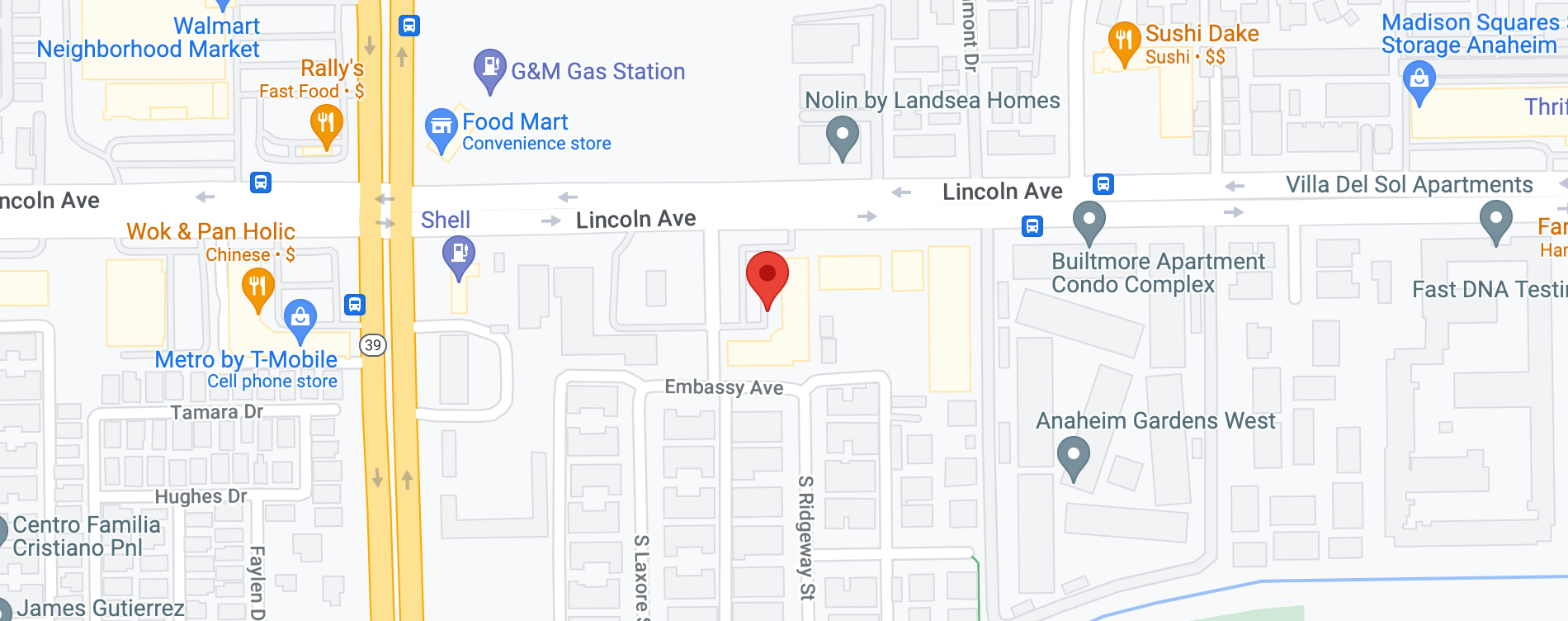
At Beach Dental Care Anaheim, we work closely with our patients to determine the ideal sedation type for their needs, ensuring they remain comfortable and relaxed throughout the dental procedure. If you seek treatment in Anaheim, CA, call us now at 714-995-4000 to talk to our experts.