
Dental bonding is a noninvasive technique used to restore teeth. The procedure entails covering your tooth using a thin layer of resin-based composite material. The treatment option restores your beautiful smile, allows quick cosmetic tooth repair, and conceals tooth discoloration and stains. Please read this blog to learn more about the procedure.
An Overview of Dental Bonding
Dental bonding is part of cosmetic dentistry, which dentists use to improve your smile. During the bonding procedure, the dental professional applies a resin composite material to your teeth to change their color, size, or shape.
The procedure is a brilliant option if you want a fast, noninvasive smile restoration.
The dentists recommend teeth bonding or composite bonding for the following:
- Closing spaces and gaps between your teeth—Patients use dental bonding to close gaps in the front, visible teeth, so that they can have beautiful smiles. Closing gaps also prevents massive food particles from getting trapped between your teeth, reducing the risk of tooth cavities.
- Concealing tooth discoloration—Dental discoloration and stains can make you feel embarrassed when talking or smiling. With tooth bonding, you choose the right shade of your bonding material before the dentist can clean your teeth and apply the bonding material.
- Repairing minor cracks or chips in your teeth—Bonding is ideal for minor tooth damage that has not impacted your tooth's root or the nearby gums. That way, it restores the appearance of the entire tooth and protects it from future complications.
- Make the teeth appear longer — Some people have short permanent teeth due to bruxism or genes. Although your tooth size is not harmful, longer teeth are typically desired for aesthetic purposes. Dental bonding can lengthen your teeth. If you clench or grind your teeth, consult your dentist; the habit can damage or weaken your dental bonding. Your dentist can recommend treatments such as stress management, injections, and night guards.
When is the Procedure Not Appropriate?
Dental bonding is not ideal for individuals with many cracked teeth or cavities that have not been filled. Patients with gum disease or ailments that could affect their mouth should consult their dentist to determine whether they qualify for the procedure. If your dentist fails to give you a green light, you should address more pressing issues before undergoing the dental bonding process. For instance, if you require a root canal, that would be your dentist's priority.
You are not eligible for dental bonding if the damage to your tooth is extensive. Instead, your dentist might recommend crowns for your back teeth or veneers for your front teeth. While both procedures are irreversible and more invasive, the application process and materials used are durable and better suited for severe damage.
The bonding procedure is pain-free and can be done in a single dental appointment if you have no underlying oral health problems, such as tooth decay. Sometimes dentists use anesthesia if you require additional dental work due to tooth damage or decay. In this case, your dentist will ensure the treatment area is numb so that you will not feel any pain during the procedure. Your comfort is paramount, and your dentist will ensure you are at ease throughout the visit.
What to Expect During Your Cosmetic Dental Treatment Evaluation
Your cosmetic dentistry procedure evaluation differs from your regular dental checkup. During the former, you will discuss your dental concerns and goals with the dentist and receive professional guidance. Here is what happens during the evaluation:
Thorough Examination
Your doctor will perform an in-depth exam to understand your dental issue better. The exam will entail using diagnostic techniques such as digital scans and X-rays of your jaw and teeth. The methods can identify underlying issues you should address before your dental bonding process. These issues can be tooth decay or gum disease. Diagnostic imaging also provides your dentist with a clear picture of your current dental structure to guide your treatment.
Moreover, your dentist will conduct an oral cancer screening during the exam, mainly after noticing abnormalities in the tongue, cheeks, or gums. The screening is fast and painless.
Discussing the Dental Procedure
Now that your dentist understands your concerns and goals, they should tell you whether dental bonding is ideal. They will discuss the treatment expected outcomes, benefits, and risks.
Follow-Up Appointments
No dental work is performed during the initial consultation, since you, the patient, should first agree to the terms of your treatment plan. Depending on the condition of your teeth, you might only need one appointment beyond your regular checkup.
Your dentist should discuss the timeframe for your treatment plan, including the estimated timeline. Failing to attend any scheduled appointment can delay your treatment.
Finally, the dentist should discuss the associated cost of the dental bonding, including what your health insurance will cover and whether the dental practice offers payment plans.
The Dental Bonding Procedure
During your visit, the dental practitioner will:
- Select the proper shade — The dentist, with the help of a shade guide, will ask you to choose the resin material that matches the color of your teeth. The material is safe, and dentists use it for different purposes, including filling cavities and protecting exposed tooth roots due to receding gums.
- Tooth preparation — They can roughen the tooth’s surface and then apply liquid.
- Apply the resin material — The material is applied, molded, and smoothed to the correct shape.
- Cure the resin material — The dentist will apply a curing light to harden the material for proper bonding to your tooth.
- Polish the tooth — They will make final adjustments and polish it for a natural-looking shine.
The dental procedure can take 30 minutes to 1 hour per tooth.
The bonding material can last between three (3) and 10 years before you can replace it, depending on your dental habits and the number of teeth treated.
Pros of Dental Bonding
Bonding is a cost-effective treatment offered by dentists. With the following benefits:
- Natural look — The composite dentists use to repair teeth can be color-matched to your natural teeth to create a natural-looking restoration. The resin material is custom-designed to restore your tooth’s shape and size.
- Requires less time — Treatments involving veneers or crowns require at least two dentist appointments, which can mean taking extra time from school, work, and other activities. However, dental bonding can be done in a single visit, so patients only disrupt their schedule once for the treatment.
- Non-invasive — Dental bonding does not need oral surgery or the removal of your tooth’s enamel. Instead, local anesthetics are administered to patients to prevent pain during the bonding procedure.
- Low maintenance — After your bonding treatment, you do not need any specialized maintenance. Brushing and flossing are all you require to maintain these dental restorations.
Teeth Bonding Drawbacks to Consider
Here are the disadvantages of bonding:
Bonding is Not Long-Lasting
Note that because dental bonding is less resilient than its alternatives, it has a shorter lifespan. You can expect a bond to last for at least 10 years.
Your dental hygiene practices determine the lifespan of the bonding.
Bonding is not Durable
Composite resin is a strong material, but not as durable as natural tooth enamel. Additionally, it is not as hard as porcelain and other dental materials used in dental crowns or veneers.
You can keep the bonded teeth in optimal shape by:
- Avoid eating sticky or hard foods because they could cause your bond to fracture or chip
- Observing whether the bonded teeth are rough or if the bite is misaligned. Any of these means you should schedule a dental appointment.
Bonding is not Stain-Resistant
Resin is not resistant to discoloration or stains. Since resin is more porous than porcelain or enamel, it can absorb deep-colored foods faster.
If you routinely drink coffee and red wine, you may notice your bonded tooth discolors more quickly than your natural teeth. Reducing the consumption of berries, coffee, and similar beverages and foods can help prevent staining of your bonding resin.
How Much Does Dental Bonding Cost?
Factors that influence the cost of teeth bonding include the following:
- How complex is the bonding procedure — Based on the dental issue you are addressing, your dentist might require additional time and usage of more resin.
- How many teeth require bonding — Dentists generally bill you per tooth
- Your dentist’s location — If the dental practice is based in an area with high rental costs and costs are in nd, the bonding services may cost more.
- The dentist’s qualifications and experience — A dental professional with a specialty in cosmetic procedures might be more skilled at bonding and could charge higher than a general dentist.
You should anticipate additional costs, as you might need a dental examination, cleaning, and teeth whitening before your dentist completes the dental process.
Teeth bonding may be partially or fully covered by your insurance, depending on your deductible, if you want to treat structural issues, including chipped or fractured teeth. However, for cosmetic bonding treatments, most insurance plans will not cover them.
Therefore, before scheduling a dentist appointment, you should consult your insurance provider.
Your Dental Bonding Longevity and How to Increase It
The duration of your dental bonding will depend on the reason you underwent the procedure and your oral hygiene practices.
Your bonded tooth can last the following:
- Beyond ten (10) years, when done to address decay while the enamel is mainly intact
- About ten (10) years, if done to fill a gap in your tooth or if a lot of tooth tissue is missing
- Up to ten (10) years when done to address chips, major fillings, or worn areas
If the bonded tooth is not repaired, it might not last as anticipated. Composite resin repairs can last six (6) months to several years.
Some of the habits to avoid to increase longevity are as follows:
- Refrain from biting too hard since it can chip the tooth
- Avoid biting pens, fingernails, or other hard substances, including hard candy or metal, since they can break the tooth
- Quit smoking and using other tobacco products
- Avoid drinking dark beverages.
- Avoid using mouthwashes with alcohol; the alcohol can soften the resin
- Avoid eating acidic foods because they can stain the resin
- Avoid grinding your teeth — If you grind your teeth, consult your dentist about using a mouthguard. Covering the teeth at night can safeguard the newly bonded teeth. You should also consult your dentist if you notice sharp edges on your teeth.
Practicing proper oral hygiene also keeps your teeth longer. You should brush your teeth twice a day, floss once a day, and use mouthwash. When flossing your bonded tooth, avoid pulling the floss up. Instead, pull the string horizontally through the teeth.
Dental Bonding Can Cause Tooth Sensitivity
Also called dentin hypersensitivity, tooth sensitivity is a dental issue characterized by temporary, sharp discomfort or pain in at least one tooth when exposed to certain stimuli, such as cold or hot temperatures, brushing, flossing, or acidic or sweet drinks and foods.
Dental bonding can cause tooth sensitivity, which may resolve on its own over time. To keep your teeth healthy following the dental procedure, you should do the following:
- Brush your teeth twice a day using a fluoride toothpaste and a soft-bristle toothbrush
- Avoid abrasive toothpastes
- Avoid brushing or scrubbing your teeth aggressively. Instead, use gentle strokes when brushing.
- Floss your teeth once a day
- Visit your dentist regularly.
- Use a mouth guard if you grind your teeth; grinding can cause tooth sensitivity.
- You can consider desensitizing toothpaste to reduce pain
- Avoid acidic foods; frequent consumption of acidic foods can lower your tooth enamel and result in dentin exposure
What is the Difference between Composite Fillings and Dental Bonding
Dental bonding improves the appearance of your teeth, while fillings restore the tooth's functionality. Some of the issues composite fillings treat are cavities, back tooth restoration, weak spots following decay removal and cleaning, tooth decay, and support following decay removal.
Appearance Differences
Tooth bonding improves your tooth's appearance. Your dentist will carefully shape the resin and match it to your tooth's natural color. Typically, dentists use it on the front teeth.
Tooth fillings blend with the color of your natural teeth, but the details and shape might not be as perfect as tooth bonding. Dentists use fillings on back teeth.
Their Durability
Typically, dentists use fillings on your back teeth, where you chew and bite the most. With proper dental care, the fillings can last ten years or longer.
On the other hand, tooth bonding lasts about four or eight years. The procedure is ideal for minor fixes, but could wear down faster.
Candidates for the Procedure
Different dental treatments assist different patients depending on their dental health condition and preferences.
A person can qualify for composite filings if they:
- Have tooth decay or cavities
- Want to replace broken or decayed tooth parts
- Experience tooth sensitivity or pain from damaged teeth
- Have teeth that require repair
- Require long-lasting strength and protection
On the contrary, you qualify for tooth bonding if the following applies:
- You have small cracks or chips in your teeth
- You have tiny gaps in your front teeth
- You want to improve your tooth shape or color.
- You want a fast and straightforward cosmetic fix
- You have healthy teeth that only require cosmetic changes
Application Process
Tooth bonding is fast and straightforward. During treatment, your dentist will prepare your tooth, apply the resin, shape it, and finally harden it. Sometimes, the procedure does not require numbing.
On the other hand, the dental filling process is more lengthy. Dentists remove the decayed portion of the tooth, clean it, and place filling material. The dentists also use a curing light. Typically, dental fillings require numbing because the dentist must drill into your tooth before adding the composite filling.
Material Used
Both dental procedures use composite resin (tooth-colored material). Nonetheless, dentists use different forms of resin for every procedure.
In tooth bonding, the resin is soft and easy to shape, allowing your dentist to match it perfectly with the natural tooth. On the contrary, composite filling resin is stronger and more complex, so it can protect your teeth and withstand chewing pressure.
How Dental Bonding Differs from Veneers
The primary variation between veneers and tooth bonding is that the former fit over the front tooth surface, while dentists use the latter to fill chips and cavities. Typically, a dentist wi use veneers are part of your smile makeover to cover crooked or uneven teeth.
Find a Trained Cosmetic Dentist Near Me
If you are looking for a pocket-friendly and fast way to improve the appearance of your teeth and smile, dental bonding might be the solution. The cosmetic treatment option repairs minor imperfections such as tiny gaps, chips, uneven teeth, and tooth discoloration using resin that matches your natural teeth.
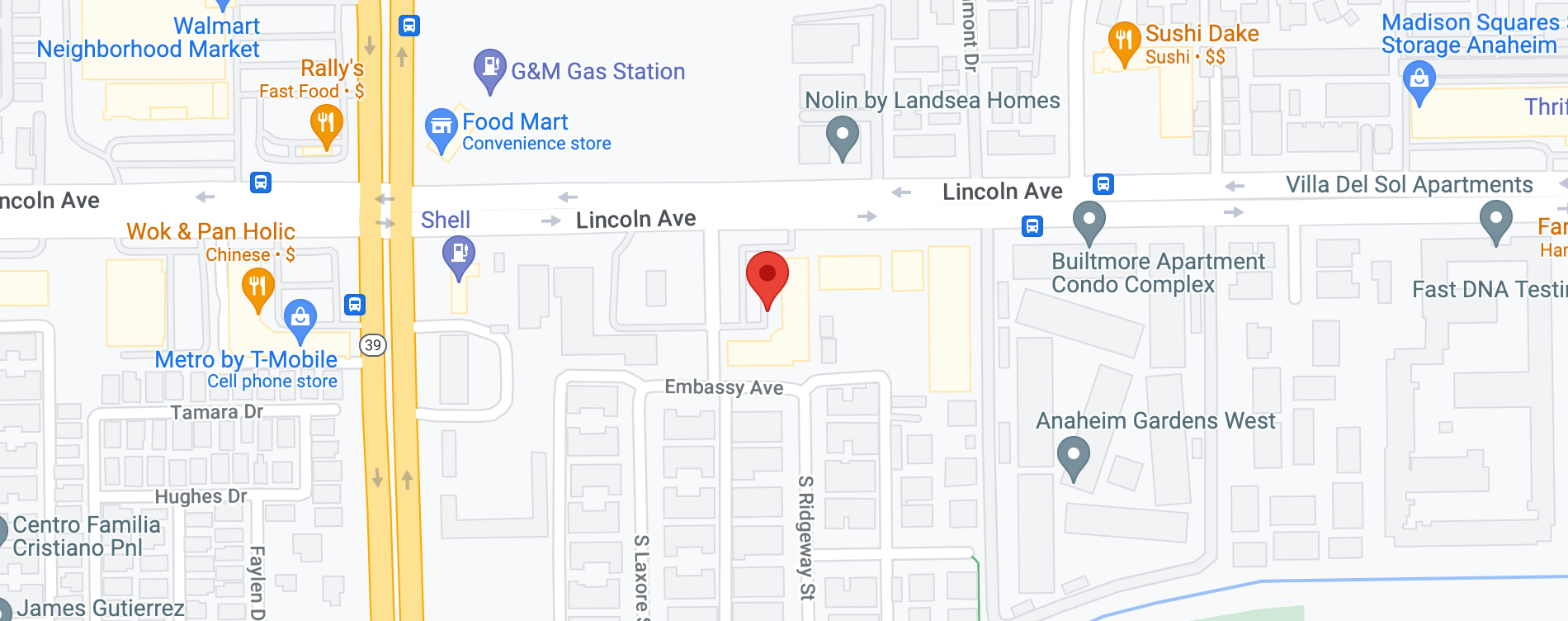
At Beach Dental Care Anaheim, we use cutting-edge materials and techniques to ensure we perform the procedure with attention to detail and precision. We can complete the treatment in one appointment without using anesthesia unless your treatment site is near a nerve. Please call us at 714-995-4000 to schedule your consultation.