
Dentures are artificial devices that support missing teeth and are anchored to the soft and hard tissues surrounding the oral cavity. Dentures help patients with either partial or complete edentulism as a result of pathological or traumatic causes. Sign recognition involves clinical observation and an evaluation of functional limitations.
Restorative dentistry focuses on detecting signs such as chronic pain, local swelling, or changes in the bite. Conventional methods of fillings or crowns may yield unsatisfactory results, requiring a prosthetic approach. Emotional and mental stress is equally as important a burden as physical pain.
This blog discusses the particular indicators that necessitate the use of dentures. These include:
You Have Advanced Periodontal Disease and Bone Loss
This systemic condition affects the very foundation of your smile, primarily occurring in two critical stages.
Bacterial Invasion and Tissue Destruction
One reason that you need dentures is advanced periodontal disease. The disease starts as a silent bacterial invasion of the tissues that sustain your teeth. Over time, the chronic inflammatory response causes the gums to detach from the tooth surface, forming deep pockets that harbor bacteria and allow them to multiply. As the infection progresses, it spreads to the alveolar bone, the specialized bone structure that supports the tooth roots. This process will be evident as loose teeth or receding gums appear to be moving away from the tooth crown.
Bone Resorption and Structural Stability
In most cases, early stages can be treated, but once you reach severe bone resorption, the physical foundation of your teeth is practically lost. If this bone support is lost, your teeth no longer have a stable anchor. When you attempt to chew relatively soft food, you may experience your teeth being moved or tilted. In severe bone resorption, the body essentially starts to reject the teeth, as there is insufficient healthy tissue to support them.
Receding gums are only the tip of the iceberg when it comes to a skeletal problem. You may have recurring abscesses or a bad taste in your mouth, which are signs that the infection is deep in the bone. At this point, only the deteriorated teeth can be removed, and the denture can be used to treat the chronic disease and prevent bacteria from entering your bloodstream, which can have consequences for your heart and overall health.
With chronic gum infection, your immune system is constantly diverted to fight oral bacteria. The system strain may worsen other health conditions, including diabetes or cardiovascular inflammation. By eliminating these sources of infection and switching to a clean prosthetic environment, you are giving your body's defense mechanisms a chance to rest and rejuvenate.
You Have Severe Decay Beyond the Scope of Crowns or Bridges
Widespread decay compromises the mouth's mechanical integrity, often manifesting as:
Structural Compromise and Deep Lesions
You may have tooth decay beyond the scope of conservative dentistry. A single cavity can be easily treated with a filling, but when the decay extends to several teeth, structural failure of the entire oral system may occur. When you have several teeth that have failed dental work, including large fillings that keep falling out or crowns that keep becoming loose, it is possible that the underlying tooth structure is too weak to sustain any more work. Once the process extends to the pulp chamber or root system of multiple teeth in a row, the mechanical integrity of your smile is compromised. You cannot just cement a tooth that has already lost over 70 percent of its natural bulk.
Predictable Alternatives to Failing Restorations
In such cases, a full-arch restoration will be the most feasible and economical option. You may also discover that you are paying thousands of dollars for procedures such as root canals, only to have the tooth crack a few months later. This failing dentition cycle is both emotionally and economically draining.
With a tooth extraction plan that is followed by denture placement, you can avoid the risk of having brittle and decayed teeth. Your teeth are on a solid, synthetic foundation rather than a rotting natural one. This is particularly so when your mouth environment is biologically susceptible to decay despite your best efforts to maintain oral hygiene.
The process of repairing a structurally compromised tooth is nothing more than a postponement of the inevitable. Switching to dentures will enable you to divert your financial resources towards a long-term, predictable remedy that provides you with a consistent appearance and a dependable bite in the coming years, so you will not experience another dental emergency any time soon.
Functional Impairments
The need for dentures is often tied to your overall health. The loss of teeth disrupts the essential biological processes required for daily living, starting with how you process nutrition.
-
Eating Difficulties
When you find it challenging to chew, chances are you are not breaking your food into small enough pieces for adequate digestion. This usually causes mouth and gastrointestinal problems with indigestion. You may end up shunning fiber-rich vegetables, tough proteins, or crunchy fruits, which can lead to a limited diet and possible nutrient deficiencies.
-
Digestion Problems
If you can mechanically break down food, your stomach will have to work much harder, which can lead to chronic acid reflux or malnutrition. Dentures replace the grinding and shearing teeth that are needed to liquefy food before it is ingested.
The loss of the posterior support, that is, your back molars, mechanically transfers the whole load of chewing to your front teeth, which were not meant to take such heavy grinding action. You might notice that your front teeth wear down, chip, or splay as they try to compensate for the imbalance. This imbalance accelerates the decay of the remaining natural teeth. Dentures stabilize this balance by giving you stable molar contacts, which cushion your jaw joints and make each bite you take evenly distributed.
-
Speech Issues
In addition to nutrition, you will find that speech problems due to a lack of teeth are interfering with your social and work life. The teeth are significant in phonetics, as they act as a backboard to your tongue to make the sounds such as "s," "th," "v," and "f." There may be gaps in your front teeth, or you may have lost your molars, so you may find yourself having a lisp or sounding like you are whistling every time you talk.
The impairment of this functional smile leads the individual to avoid conversation or to conceal their mouth when talking. Dentures provide the structural support your tongue and lips need to resume articulating speech clearly. You will discover that the phonetic clarity that is restored with dentures is as essential to your quality of life as the ability to eat.
The Hidden Impact of Shifting Teeth
After you lose one or two teeth, the concealed effect of moved teeth starts to compromise your whole bite. Your teeth exist in a delicate state of equilibrium and are supported by the pressure of the teeth adjacent to them and those they bite. Even a single gap can trigger a chain reaction that destabilizes your entire dental arch.
Mesial Drift and Arch Integrity
When a gap forms, the neighboring teeth automatically lean and tilt towards it. You may notice new gaps appearing where your teeth once fit tightly in a movement called mesial drift. The drift could result in the total failure of your dental arch.
Also, this shifting can cause the teeth to rotate, forming food traps that cannot be cleaned with regular brushing or flossing. These zones become breeding grounds for bacteria and decay in your already healthy teeth. The result is a chain reaction of cascading failure throughout your mouth. A partial denture can fill these spaces, providing mechanical retention to prevent this migration and safeguard the remaining dentition's health.
Malocclusion and Jaw Joint Tension
This movement causes malocclusion, or a misalignment of your bite. When the teeth do not fit, you will overwork some teeth, which can crack or even wear out too soon. Moreover, the tooth on the opposite jaw, which previously bit against the lost tooth, can start to "supra-erupt," or stick out of its socket, as a result of a lack of a counteracting force to retain it. Partial dentures are a necessary device to stop this domino effect. You fill the gaps and provide the required lateral support to maintain your remaining natural teeth in their proper positions. When this shifting is not appropriately addressed, the resulting bites cause severe jaw pain and even the loss of additional teeth.
This malposition does not simply remain in your mouth, but it tends to extend to your temporomandibular joints. You may have continued headaches, earaches, or jaw clicking as your muscles are unable to find a comfortable resting position. The bite is a source of tension, not a functional tool when your teeth are out of their proper locations. Partial dentures are the necessary supports that serve to hold together the lower architecture of your whole skull.
Preserving Facial Structure and Preventing “Facial Collapse”
Among the greatest biological needs for using dentures is the preservation of your facial structure. Your teeth provide the necessary stimulation to maintain the bone that defines your facial features.
Skeletal Atrophy and Premature Aging
Your jawbone is a ‘use it or lose it tissue’; therefore, it needs the constant stimulation of tooth roots by chewing so that it remains dense and voluminous. Loss of teeth triggers atrophy of the jawbone, a process in which the jawbone loses support. The bone melts away, and the gap between your nose and chin narrows, leading to a condition known as facial collapse. This will appear as facial sagging or early aging, with the skin around the mouth wrinkled and the lips thin or lost.
The process of skeletal resorption is most pronounced during the first year after tooth loss, which is why we note the significance of early intervention. Waiting too long may result in the complete loss of the ridge of bone on which the denture is supposed to rest, making the prosthetic's task of staying in place much more difficult. By switching to dentures when you still have sufficient bone volume, you provide the mechanical stimulation the ridge requires, slow atrophy, and maintain your profile.
Vertical Dimension and Soft Tissue Support
This aesthetic dentistry issue is, in fact, skeletal. The muscles of your face lose their structure without the aid of teeth or a well-fitted denture, with sunken cheeks and a pinched expression in the lower third of your face. Dentures are made to rebuild the vertical aspect of your face, which supports your soft tissues. Dentures will restore the lips to their usual shape and size by giving the cheeks the proper height. This avoids the appearance of the witch's chin pointing up, which can occur with reduced jaw height. Wearing dentures is a preventive measure to maintain your youthful facial proportions and prevent the appearance of long-term edentulism.
This loss of vertical dimension causes your facial muscles to contract excessively, further deepening the nasolabial folds around your nose and mouth, which are called nasolabial folds. The soft tissues of the lower face start to droop prematurely without the support of a complete arch. With the help of a masterful measurement and repositioning of your individual vertical dimension of occlusion, we can literally raise these tissues to their youthful levels, and this will give you natural rejuvenation of the face, which cannot be done by surgery alone without the appropriate dental structure.
You must know that the front part of your upper teeth holds your lips. When those teeth are lost, or so reclined by loss of bone that they cannot support the upper lip, it will drop inwards. A well-shaped denture has a lip support feature known as the labial flange that is tailored to give the precise level of lip support that you require to make you look like yourself once more, practically smoothing out those fine lines that form around the mouth as a result of losing teeth.
Trauma and Congenital Factors
Dentures are not required for everyone due to age or illness. Restorative needs can also stem from sudden events or developmental issues rather than long-term disease.
High-Impact Dental Injuries
In the event of a sporting injury, a car accident, or a fall that caused more than one or two or more of your teeth to be fractured or knocked out, the damage to the teeth may be too serious to be fixed easily. In cases of a vertical split of the root or a socket bone crush, emergency extractions may be required. Dentures provide an option to restore your whole smile in a short time in high-impact scenarios, so you do not have to undergo the lengthy, multi-step process of placing an implant one at a time if your bone density or financial means are a factor.
The trauma usually causes the surrounding bone to be in a fragile condition, and it cannot support heavy bridge work or immediate implants. A removable denture is the solution in such a situation because it provides the required aesthetic and functional restoration and allows the underlying bone and soft tissues to regenerate. This is a safe way to avoid leaving a day without smiling, as your mouth rests following the physical strain of the injury.
Genetic Factors and Developmental Absences
Also, some people are born with congenital tooth loss, a condition in which a few permanent teeth never develop. This may leave you with many gaps that make eating hard and also affect your self-esteem at an early age. Some may also be suffering from enamel hypoplasia, in which the enamel is thin or porous, leading to frequent tooth breakage despite good hygiene.
Dentures can provide an additional opportunity for these patients. Rather than wasting time on a lost cause with genetics, you can choose a prosthetic alternative that looks natural and is reliable. Regardless of whether it is a sudden accident or lifelong genetic battle, dentures provide a way to a stable and predictable oral environment.
Switching to dentures is a clinical necessity when the biological and mechanical limits of your natural teeth are exceeded. You are in the end stages of periodontal disease, the weariness of chronic degeneration, or the physical alterations of facial collapse; dentures will provide an unequivocal answer. This rehabilitative course is not merely a matter of beauty but a recovery of your nutritional vitality, your phonetic articulateness, and your architectural soundness. Knowing the signs and symptoms of the diagnosis, such as loose teeth and bone resorption, the domino effect of the changing gaps, you will be able to decide about your future.
The customization and comfort available in modern prosthodontics were not possible until recently, and now your replacement teeth will feel like a part of you and look like a part of you. Adopting this change means dedication to a life where people do not have to experience dental pain and live in constant fear of their natural dentition failing. The benefits of this course of action today are that you are saving your future self from the greater effect of complete bone loss and systemic infection. The satisfaction of having a steady, predictable bite is an investment in your long-term happiness and physical well-being.
Find a Dentist Near Me
Choosing dentures is a significant step towards a healthier, more confident you. You deserve a smile that does not hold you back from your favorite foods or the social life that makes life worth living. If you need dentures, seek a dentist who understands the fears that accompany restorative dental procedures and can ensure you remain comfortable throughout.
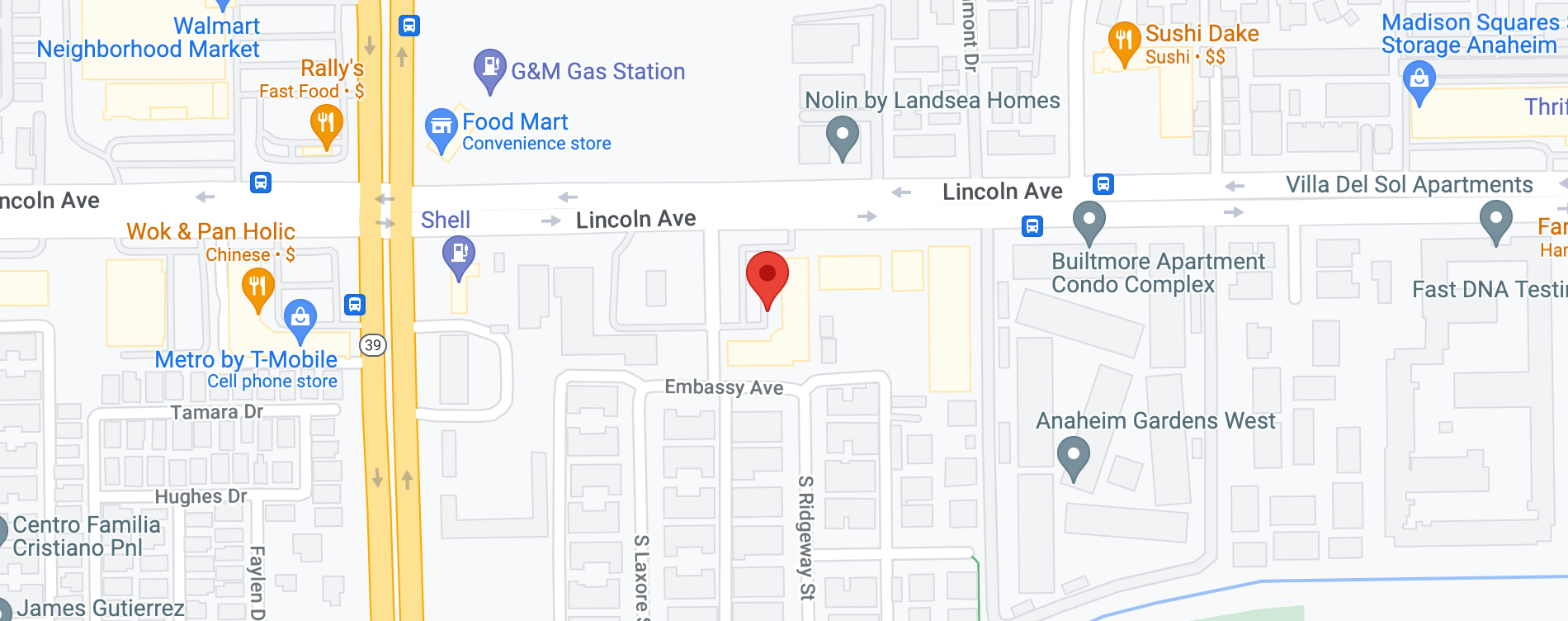
At Beach Dental Care Anaheim, we are determined to provide you with the professional guidance and individual care that will make this move successful. We offer high-quality, durable dentures that are carefully designed to suit your facial structure and functional needs. Talk to us at 714-995-4000 to schedule your complete consultation.