
Emergency dental cases are often unexpected, much like other health issues. You will use every minute to mitigate the situation if you understand how to respond to a dental emergency. Dental emergencies encompass lost fillings, cracked teeth, toothaches, and other dental issues that necessitate prompt attention. Contact a dentist immediately after experiencing a dental emergency. How soon you seek treatment could be the difference between saving and losing your tooth.
Emergency Dentistry Explained
Emergency dentistry is a specialized dental practice that addresses dental problems deemed urgent. This can include replacing a missing tooth, repairing a broken tooth, or treating an infection. Emergency dentists often handle patients on a same-day basis to offer immediate remedies for dental issues.
Emergency dentistry services are meant to help patients who have suffered an unexpected dental injury. The services are tailored towards alleviating the discomfort and pain related to an injury. These services can also help prevent your injury from causing further damage to the gums and teeth. Your emergency dentist will evaluate the extent of your dental issue upon your visit and recommend the best possible solution. In most situations, your emergency dentist will offer you essential treatment within a few hours. Sometimes, you could be booked for a more extensive surgery to fully repair the damage.
What To Expect In The Face Of A Dental Emergency
Emergency dentists have the experience and knowledge to address various dental emergencies, such as a chipped tooth, a cracked tooth, or a tooth abscess. The specific treatment a dentist administers depends on the type of dental emergency. Dental emergencies can be handled in the following ways:
-
Handling A Cracked Tooth
A broken tooth can be an alarming and painful experience, but there are ways to manage the situation until you can see your dental expert. You can employ temporary remedies before seeing a dentist.
A broken tooth refers to a chipped or fractured tooth, which can occur for various reasons. The seriousness of a broken tooth can range from a minor chip to a more extensive fracture. Common causes include old dental work, tooth decay, biting on hard objects, and trauma. You should follow the following steps when you suffer a broken tooth:
Stay Calm And Evaluate The Damage
The first crucial step to take when you suffer a broken tooth is to stay calm. You should also assess the severity of the breakage to determine the appropriate course of action. Minor chips will cause less pain, while a major breakage can cause intense bleeding and discomfort.
Rinse Your Mouth
Rinse your mouth gently using warm water to clean the affected area. Avoid cold or hot water, as extreme temperatures can increase sensitivity. Do not swallow any loose fragments. Locate and keep any broken pieces of the tooth if possible.
Control Bleeding
Use a clean, soft cloth or gauze to apply gentle pressure if you are experiencing bleeding. This will stop bleeding and alleviate discomfort. Avoid using paper towels or tissue because they can leave behind particles.
Reduce Swelling
Place a cold compress on the outside of your cheek near the affected tooth. This will reduce swelling and alleviate pain. Apply an ice pack wrapped in a thin cloth and place it for 15 to 20 minutes, allowing your skin to rest between applications.
Manage Pain
You can relieve toothaches using over-the-counter pain relievers, such as ibuprofen or acetaminophen. Read the dosage instructions carefully on the packaging and avoid applying any pain reliever directly to the broken tooth, as this can irritate it.
Protect The Broken Tooth
Avoid chewing on the side of the broken tooth to prevent further damage. Consume soft foods and avoid extremely cold or hot temperatures. Cover the affected tooth if possible with dental wax or sugarless gum to reduce sensitivity and prevent further damage.
Use Temporary Dental Cement
You can typically find temporary dental cement in most pharmacies. Applying a small quantity to the affected tooth will help anchor any loose pieces until you see your dental expert. Read the instructions on the package carefully and use this as a temporary remedy.
Visit An Emergency Dental Expert
You should visit an emergency dentist immediately, even if the pain reduces and the situation seems under control. It is essential to consult a professional to prevent infection, complications, or further damage.
-
Handling Tooth Pain
A toothache can be pain around or in your tooth. Temporary gum irritation can cause minor toothaches, while infection and cavities can cause more severe toothaches. You can take the following steps to address tooth pain:
Saltwater Rinse
A saltwater rinse is the best first-line treatment for a toothache. This is a natural disinfectant that loosens food particles and debris that can become stuck between the teeth. Using salt water to treat a toothache is beneficial because it reduces inflammation and helps heal any wounds in the mouth. Mix half a teaspoon of salt in a glass of warm water and use it as a mouthwash.
Rinse With Hydrogen Peroxide
Hydrogen peroxide is also used to relieve inflammation and pain. Apart from killing bacteria, hydrogen peroxide reduces plaque and treats bleeding gums. Dilute 3% hydrogen peroxide with water to use as a mouthwash. Do not swallow the mix.
Cold Compress
Relieve a toothache using a cold compress, particularly if your toothache was caused by trauma. A cold compress often constricts the blood vessels in the affected tooth, reducing pain. The cold compress also minimizes any inflammation and swelling. Hold a towel-wrapped bag of ice to the aching tooth for 20 minutes at a time. Repeat this process every few hours.
Peppermint Tea Bags
Peppermint soothes sensitive gums and numbs the pain. Cool down the used tea bag and place it on the painful tooth. Use it when it is still slightly warm. This method can also be used to cool, rather than warm, the affected tooth. It is done by placing a used tea bag in the freezer for a few minutes to chill it and applying the bag to the affected tooth.
Use Garlic
Garlic has been used for many years due to its medicinal properties. It has antibacterial components that kill harmful bacteria, which cause oral plaque, but can also be used as a pain reliever. Crush garlic cloves to make a paste and put it on the painful tooth. You could also add a little salt. Additionally, you can slowly chew a clove of fresh garlic.
-
Handling Broken Dental Appliances
A broken dental or denture bridge can disrupt your daily life. It can be challenging to engage in simple tasks like eating, speaking, or even smiling. Dental appliances are essential for maintaining both the appearance and function of teeth, making any damage a genuine dental emergency.
The common signs of denture or dental bridge breakage include:
- Difficulty chewing or speaking, which shows a loss of structural integrity
- Ill-fitting or loose dentures make it hard to keep them in place
- Sore spots or discomfort developing in your mouth while having the appliance
- Visible fractures, chips, or cracks on the denture
You should act immediately if you notice any of the above signs. The immediate steps you should take when your denture breaks include:
Remove The Broken Appliance If Possible
Gently remove the broken denture if it is safe and comfortable to do so. This will prevent more harm to your gums, tongue, or cheeks from sharp edges. You could suffer severe injuries and incur complicated repairs if you continue to wear a damaged appliance.
Avoid DIY Repairs
Sometimes, you can be tempted to fix the broken denture with household glue or over-the-counter repair kits. Unfortunately, these approaches can introduce toxic substances into your mouth or cause misalignment. If this happens, it will be hard for your dental expert to repair it. Avoid DIY fixes and trust the professionals for durable and safe solutions.
Store The Appliance Well
Place the broken appliance carefully in a clean, padded container to prevent further damage. Take all broken pieces to your dental expert, as it may be possible to repair the appliance instead of replacing it.
Reach Out To A Dental Expert Immediately
Seek immediate medical attention if you suffer from broken dentures and bridges. Contact your dental expert immediately to schedule an emergency dental appointment. Your dentist will assess you on the same day, using advanced technology and expert skills to repair or replace your appliance quickly and efficiently.
-
Handling an Abscessed Tooth
A tooth abscess can be painful and traumatising, particularly if you fail to visit a dental expert immediately. An abscess is an infection around the gums or in the tooth root. If left unaddressed, it can lead to severe complications. You can feel comfortable until you need to see an emergency dentist. Therefore, you should take appropriate measures to manage pain and minimize the risk of infection.
Some of the common signs of an abscessed tooth include:
- Fever or feeling unwell
- A foul smell in your mouth
- Sensitivity to cold or hot things
- Swelling around the jaw or gums
- Persistent, throbbing tooth pain
Take the following steps if you notice any of the above signs:
Rinse With Warm Salt Water
The easiest way to relieve pain and control bacteria is by rinsing with warm salt water. Warm water soothes irritated areas, while salt is a natural antiseptic. This is done by mixing a little salt in warm water. Swish the mixture gently around your mouth for 30 seconds and then spit it out. These are applied two to three times daily to minimize inflammation and keep the area clean and healthy.
Use Over-The-Counter Pain Relievers
You can use over-the-counter pain relievers to manage discomfort and minimize swelling. Read the instructions on the packaging to take the recommended dose. Do not place aspirin directly on your gums because it can irritate the tissue further. Pain relievers can help you feel comfortable, but they cannot substitute professional treatment.
Apply A Cold Compress
A cold compress can help prevent numbness and swelling around the affected tooth, thereby relieving pain. Place a cold pack or a bag of ice in a cloth and press gently against your cheek near the abscessed tooth. Hold it for 10 to 15 minutes and take a break before reapplying. Avoid using heat, as it can exacerbate swelling if you are dealing with an infection.
Avoid Acidic And Sugary Foods
Foods rich in acid and sugar can encourage bacterial growth around the abscess, potentially worsening the pain. Stick to softer, bland foods that cannot irritate the area until you see your dentist. Soft drinks and foods recommended include mashed potatoes, applesauce, and yogurt. Avoid anything that requires excessive chewing or hot beverages because they can exacerbate discomfort and sensitivity.
Keep The Abscessed Tooth Clean
It is essential to keep your mouth clean if you are experiencing an abscess. Brushing and flossing can be uncomfortable, but gently cleaning around the affected area can help prevent further infection.
Brush gently around the abscessed tooth with a soft-bristle toothbrush to avoid irritating it. Rinse with an antimicrobial mouthwash once per day. Do not be too aggressive while rinsing because it can disrupt the abscess.
-
Handling Lost Crown
Losing a dental crown can be a stressful experience, particularly if it happens unexpectedly while you are talking, brushing, or eating. It should be addressed immediately to prevent discomfort or further damage to your tooth. You should do the following if your dental crown falls off:
Stay Calm And Look For The Crown
You can lose a dental crown due to trauma, decay beneath the tooth, or wear and tear. Locate the crown if possible and store it in a clean container. In most situations, your dentist can reattach it. Notify your dental expert if the crown becomes damaged or if you accidentally swallow it.
Assess The Crown And Tooth
Check the crown and tooth gently and avoid poking or pressing hard. Be cautious while eating or drinking if the tooth underneath is sensitive or jagged. The exposed tooth is often darker or smaller in appearance. This is normal because the teeth are reshaped to fit under a crown. Your dentist can reuse the crown if it is intact and clean, saving time and money.
Reach Out To Your Dentist
Visit your dental expert even if you are not in pain. Leaving your tooth exposed can lead to sensitivity, damage to the tooth structure, or shifting of surrounding teeth. Tell your dentist what happened, whether you have the crown or you are feeling pain.
Protect The Exposed Tooth
Protect the exposed tooth from extreme temperatures and bacteria until you get to the dentist. Avoid hard and sticky foods that can irritate or damage your teeth.
-
Handling a Knocked-Out Tooth
A knocked-out tooth can be a painful and frightening experience, whether it occurs during an unexpected accident or while playing a sport. You should take the following steps if your tooth is knocked out:
Locate The Knocked-Out Tooth
Locate your tooth if it is knocked out and falls out of your mouth. Do it fast to start the preservation process. Pick up the tooth carefully and avoid touching the root.
Clean The Tooth Gently
Clean your tooth gently if it fell out of your mouth and onto the ground. Rinse the tooth gently with tap water or milk if you are dealing with a dirty, dislodged tooth. Avoid scrubbing it or using harsh chemicals, as they can cause further damage to the tooth.
Reinsert The Tooth If Possible
It can be hard to reinsert your tooth, but try to put it back into its socket. Return the tooth with gentle pressure if possible, and close your mouth. Avoid shoving or forcing if you find it hard to reinsert it into its socket, as this can irritate already inflamed oral tissue.
See Your Dentist Immediately
Visit your dental expert immediately to schedule an emergency procedure. Consult your closest dentist if it is late at night.
-
Handling Lost Filling
You can handle a lost filling in the following ways:
Reach Out To An Emergency Dentist
Consult an emergency dental expert to book an appointment. Let the dentist know how you are feeling. Your dentist may recommend that you go to the emergency room immediately, depending on your situation.
Protect Your Filling
Collect your filling and store it in a rigid container. In most situations, your dental expert can reuse it. Sometimes, your dentist can replace it.
Gargle With Salt Water
Swish salt water in your mouth to remove any debris from your tooth. Salt water will also kill bacteria while reducing inflammation and pain.
Manage Any Pain
You can manage any pain or discomfort with over-the-counter pain relievers. A cold compress can also be used to temporarily numb the affected areas. Avoid acidic, cold, or hot foods and drinks to prevent sensitivity.
Find a Professional Dentist Near Me
When you experience a dental issue, it's essential to determine whether you need emergency dental services. Not all dental issues are emergencies. Some of the common dental emergencies include a severe toothache, a knocked-out tooth, or an infected dental abscess. Dental emergencies can occur due to injuries sustained in car accidents, workplace accidents, or when playing sports. Your tooth can break when you chew on a hard object, resulting in a dental emergency.
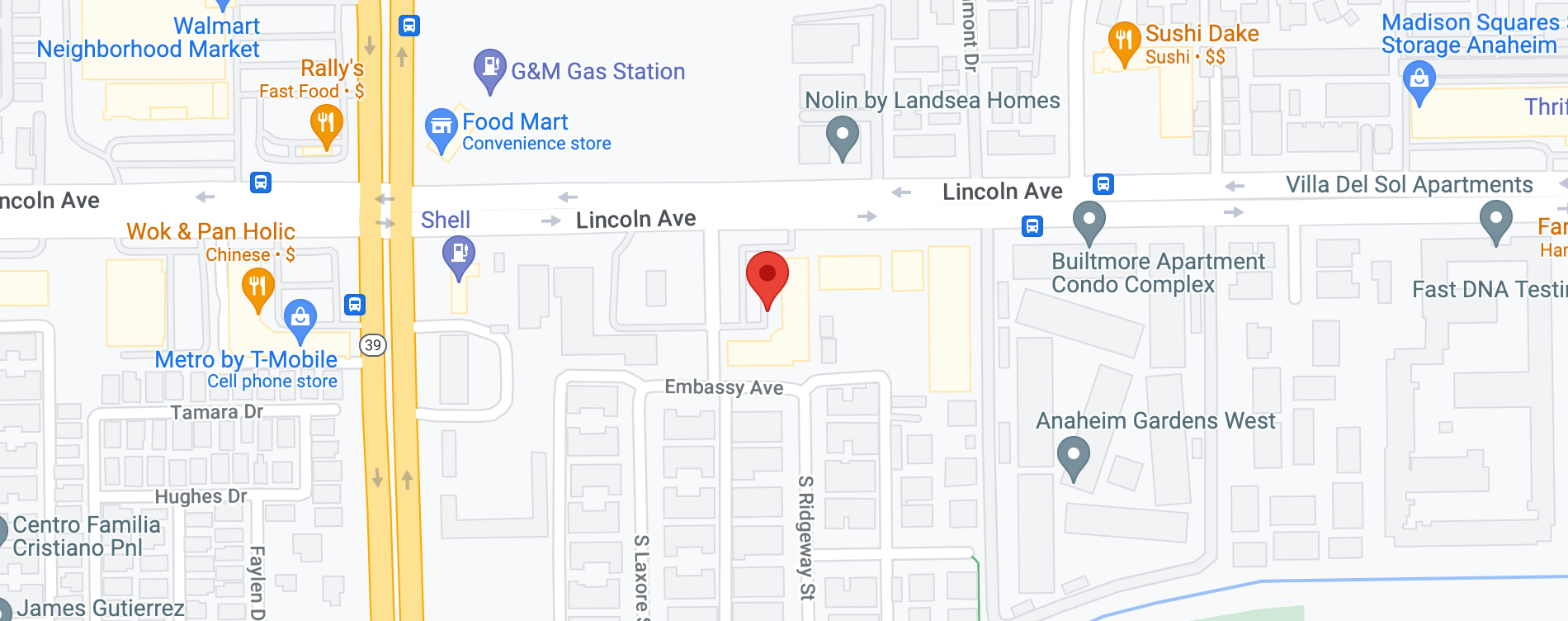
Contact a dentist immediately if you experience a dental emergency. You can take specific measures to preserve your teeth before visiting the dentist. Seeking prompt treatment increases the chances of saving the tooth. If you or your loved one faces a dental emergency, contact Anaheim dentist. Call us at 714-995-4000 to speak to one of our dentists.