
Cosmetic dental procedures primarily focus on enhancing the appearance of your teeth and smile, rather than addressing dental or oral health issues. They are generally costly. Insurance companies mainly cover procedures that offer either preventive or curative benefits. Your dentist can recommend a cosmetic dental procedure, such as a veneer, dental crown, or dental implant, due to its preventive and curative benefits. In this case, your insurance provider may cover it because of the benefits, even though it is a cosmetic procedure.
Knowing that insurance companies cover some cosmetic dental procedures can help you choose the proper treatment for an underlying dental or oral issue. If your preferred procedure offers curative or preventive benefits, and you can demonstrate this, it may not be costly, as your insurance company can cover part of the treatment.
Examples of Cosmetic Dental Procedures Your Insurance May Cover
Dentists offer a wide range of services in the following categories:
- Preventive dental services, like routine dental checkups, diagnostic services, and dental sealants
- Restorative dental procedures, like fillings, root canal therapies, dental crowns, bridges, and dentures.
- Specialized dental procedures, including cosmetic dentistry, periodontics, and oral surgeries
A detailed diagnosis and examination of your teeth, gums, and jawbone is required before a dentist recommends the proper treatment for your needs.
Cosmetic dental procedures are specialized services that focus primarily on altering the appearance of your teeth to enhance your smile, confidence, and overall facial appearance. Some cosmetic dental procedures also fall in the preventive and curative categories because they offer more than just improving your smile and facial appearance. If you have an insurance policy, your insurer can cover part of your treatment if the dentist recommends one or more of these procedures.
Here are some of the cosmetic dental procedures your insurance provider can cover:
Dental Implants
These are very popular in restoring your smile after tooth loss. A dental implant is surgically placed into a healthy jawbone to provide anchorage to an artificial tooth that replaces your missing tooth. They serve as roots, holding the artificial tooth in place for years and providing it with the stability it needs to function and feel like a natural tooth.
Dental implants are highly recommended because they are potent, stable, and provide long-term benefits. They also preserve your jawbone. However, they are very costly. If you prove to your insurance provider that the procedure offers preventive or curative benefits, the company can pay part of your treatment. Then, you can afford it.
Remember that a dental implant is placed on your jawbone. The jawbone and your gums must be strong and healthy for the procedure to work. If your jawbone is not strong enough or sufficient to support an implant, your dentist can recommend bone grafting. This additional treatment is beneficial as it lowers the risk of dental implant failure.
To place the implant, your dentist will insert a screw-like post into the jawbone to act as the root for the artificial tooth. Over time, the implant will integrate with the jawbone, providing a stronger foundation. Once the implant is in place and has healed, the dentist will connect an abutment or artificial tooth to it. They can attach a dental crown to the abutment to give the artificial tooth a natural feel and look.
Dental implants restore the functionality of your teeth. You can enjoy the foods you have always eaten, without fearing that you could damage the restoration. Dental implants also improve your speech, especially if it was affected by tooth loss. Implants also preserve the jawbone after tooth loss, which is crucial for both your dental and overall health. It improves your smile and facial appearance. These are enough reasons for your insurance provider to cover part of your treatment.
However, please note that the treatment can take some time before you enjoy your new look and feel. The surgical procedure for placing the implant takes time to heal. This time may be longer if you have undergone bone grafting. Additionally, you must take good care of your implants for long-term service. This includes maintaining good oral hygiene habits and visiting your dentist regularly for checkups.
Dental Veneers
Veneers are thin, customized shells that dentists bond with your natural teeth to improve their appearance. Veneers are highly recommended for the front teeth to hide minor imperfections that affect your smile. They are used cosmetically to correct issues like cracks, chips, minor gaps, and tooth discoloration. They can also alter the shape or length of your natural teeth.
There are different types of dental veneers to choose from:
- Porcelain veneers are the most popular. They are durable and highly resistant to stains. They can remain intact for up to twenty years with proper care.
- Composite resin veneers are more affordable and easier to place. You can achieve a significant improvement in your teeth with just one visit to the dentist’s office. However, they are not as strong and durable as porcelain veneers. Nevertheless, they can remain intact for up to ten years with proper care and maintenance.
- Lumineers require less preparation of the damaged tooth. They are also reversible.
Before your dentist recommends dental veneers to alter your teeth’s appearance, they will first examine them, your gums, and your jawbone for any other underlying issues. They will also discuss your treatment history and goals.
The placement process starts with a minor preparation of the damaged tooth. Your dentist may remove a small amount of your tooth’s enamel to ensure the veneer fits well. They will then take an impression of the prepared tooth to create veneers in a dental lab. Once they are ready, the dentist will permanently bond them to the affected teeth.
Maintaining good oral hygiene habits is highly recommended as the best way to care for your dental veneers. Your dentist will also warn against habits that can damage the veneers, including chewing ice and grinding teeth. You can wear a mouthguard when playing contact sports to protect your mouth from injury. Also, visit your dentist regularly for checkups and professional teeth cleaning.
Dental veneers can cost up to $2,500 per tooth. This is very expensive, especially if you have multiple problematic teeth that require treatment. However, your insurance provider can cover part of your treatment if you prove the following:
- The veneer will protect the damaged tooth from further damage. If you have a minor cavity or crack, the veneer will prevent the cavity or crack from worsening. It will also restore the appearance and functionality of the tooth.
- It will improve your oral hygiene by protecting the damaged tooth from further decay and cavities.
- It will correct a misalignment that affects your speech and chewing functionalities.
Inlays and Onlays
These are customized dental restorations that dentists use to repair extensive and moderate tooth damage. They can fit into a cavity or cover a breakage to improve the shape and strength of a tooth. An inlay is used on the cusps or raised points of a tooth. At the same time, an onlay can extend over one or multiple cusps to cover a larger part of your tooth’s chewing surface—generally, an onlay functions similarly to a partial dental crown.
Inlays and onlays are strong and durable because they are made from materials like composite resin, porcelain, and gold. They are an excellent alternative to a dental crown, especially if less of your tooth’s structure is damaged.
Remember that inlays are fitted on the inside of your tooth, within the cusps. They are primarily used for moderate tooth decay, mainly when it affects the cusps of the teeth. Onlays can cover multiple cusps that can extend over a larger chewing surface. This makes them ideal for extensive tooth damage, but not severe enough to require a dental crown.
When you visit your dentist with a tooth damage, they can recommend an inlay or onlay, depending on the location nd extent of the damage. They will take impressions of the damage to create a restoration that perfectly covers the damage. The entire procedure can take two visits to the dentist’s office.
Inlays and onlays are stronger than regular dental fillings. If the damage to your tooth is more than a dental filling can treat, and not severe enough for a crown, your dentist will recommend an inlay or onlay. You will also preserve more of your natural teeth using this treatment because less preparation is needed to fit the inlay or onlay. With proper care, your inlay or onlay can last for up to 30years.
The cost of inlays and onlays ranges from $1,000 to $2,500 per tooth. This can increase if you require multiple restorations or additional treatment. However, part of your treatment can be covered by your insurance provider for the following reasons:
- Inlays and onlays restore the strength nd integrity of a damaged tooth
- They protect a damaged tooth from further damage or attack by harmful bacteria
- They preserve the natural structure of a tooth
- They also prevent tooth loss
Dental Crowns
These are restorations that dentists use for severe tooth damage. They are customized caps placed on top of a damaged tooth to restore its shape, length, strength, appearance, and functionality. A cap protects a weak tooth from further damage. It can be used to cover a dental implant or improve the appearance of a discolored or misshapen tooth. Dentists offer several options for patients who qualify for, or choose, dental crowns as a tooth restoration.
- You can opt for a ceramic or porcelain crown for its natural color and strength. It matches perfectly with your other teeth, giving you a natural smile. It is also suitable for those with metal allergies.
- A metal crown is also strong and durable, but it lacks the natural color of a tooth. Thus, the difference in your teeth’s appearance will be visible to all. Dentists recommend metal dental crowns for back teeth.
- Crowns made from porcelain-fused-to-metal offer strength and the natural appearance you need to smile broadly.
- Zirconia crowns are beautiful and strong.
A crown protects a severely damaged tooth. The dentist will remove the damaged part of the tooth and then use a crown to protect and strengthen it. A crown can also restore the strength and shape of a fractured or broken tooth. It can also cosmetically cover imperfect teeth to improve their appearance. Thus, dental crowns offer both cosmetic and restorative benefits. The latter two should be reason enough for your insurance company to cover part of your treatment.
You need at least two visits to the dentist’s office to receive a crown. After examination, diagnosis, and treatment recommendation, your dentist can prepare the tooth during the first visit. They will then take impressions of the prepared tooth to create a crown that will fit perfectly on the tooth. You will return for the permanent placement of the crown once they are ready.
Dental crowns can last for up to fifteen years with proper care. They cost up to $2,500 per tooth, which can increase if additional treatment is required before their placement.
Teeth Bonding
Teeth bonding is primarily used to improve the appearance of your teeth. However, it offers additional benefits when used to cover issues like gaps, chips, and discoloration. Dentists use tooth-colored materials, like composite resin, to reshape or repair a damaged tooth. The process is versatile and more affordable than most cosmetic dental enhancements. However, it can add up to a significant amount of money if you require multiple restorations. In this case, your insurance provider can assist you.
In tooth bonding, your dentist applies a bonding material to a damaged tooth to restore its shape, appearance, or both. They then sculpt the material, harden and polish it to match the adjacent teeth. The aim is to cover the imperfections on your teeth without altering your natural look.
Teeth bonding is considered cosmetic due to its aesthetic benefits. Its primary purpose is to improve your smile and general appearance, and it is not for medical purposes. It corrects imperfections such as excess gaps between teeth, discoloration, cracks, and chips for aesthetic purposes. Bonding can also be used to reshape your teeth, making them longer or shorter.
Although teeth bonding is not as expensive as most dental restorations like dental implants, crowns, or veneers, it could be unaffordable if you have multiple problematic teeth or require additional treatment for an underlying issue. In this case, consider contacting your insurance provider for assistance with covering the costs of your treatment. However, you must convince your provider of the preventive or curative benefits of dental bonding to qualify for insurance coverage.
Remember that tooth bonding protects a damaged tooth from further damage. If left untreated, you can eventually lose a damaged tooth. Bonding also reinforced a weak enamel. A weak enamel increases your risk of cavities and intrinsic stains that encourage the penetration of harmful bacteria into a tooth’s pulp. You can restore a decayed tooth using bonding to prevent further decay and improve the tooth’s strength.
How To Determine Insurance Coverage
Insurance coverage is very beneficial if your dental procedure costs more money than you can afford. In this case, your insurance provider will only cover your treatment if there is a preventive or curative benefit.
To determine coverage, you must first review your insurance policy. Determine what your insurance policy covers, what is considered purely cosmetic, and procedures that are considered medically necessary. This will inform your decision-making process before you start the treatment.
Your dentist can assist you with this process, as you review your other treatment options to determine the one that best suits your needs in terms of benefits, preference, and budget. They will also help you understand if the procedure is considered necessary enough to be covered by your insurance.
You can contact your insurance provider to ask specific questions about your policy and coverage, particularly regarding dental care services. Your insurer will help you understand your plan’s limitations, especially for the particular procedure you have in mind. If the procedure offers more benefits than aesthetics, your insurance provider may be able to cover part of your treatment. Determine how much that is, so you will know the amount you need to raise.
If your insurance covers part of the treatment cost and you can cover the remaining amount, you can schedule an appointment with your dentist to begin the treatment.
Find an Experienced Dentist Near Me
Cosmetic dental services play a crucial role in enhancing your smile and boosting your confidence. However, they are costly in Anaheim and unaffordable for most patients. Fortunately, some cosmetic procedures, especially those with curative or preventive benefits, are covered by most insurance providers. Your dentist can help you review your insurance policy to determine whether your insurance company covers part of your preferred procedure.
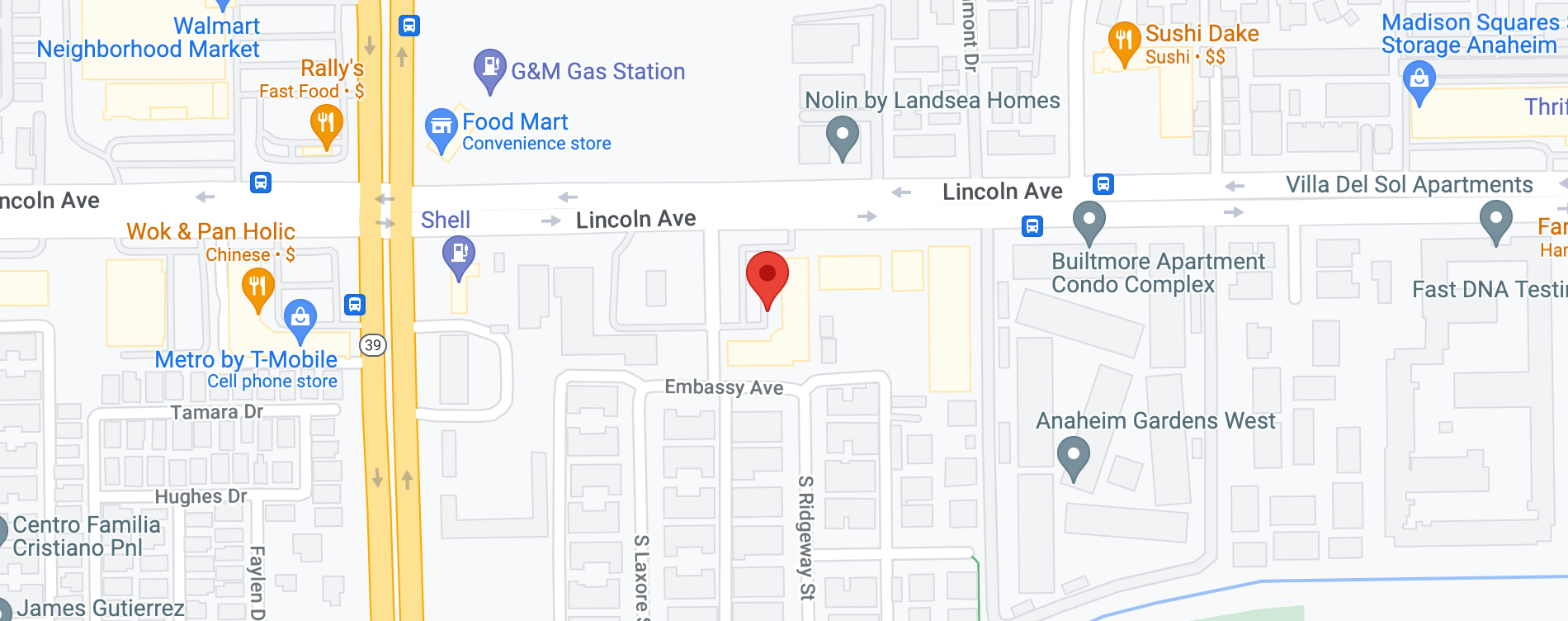
Our experienced dentists at Anaheim dentist have worked with so many insurance companies. We can help you determine your eligibility for insurance coverage for the cosmetic dental procedure you choose. Please call us at 714-995-4000 to discuss your needs and our services in more detail.