
Restorative dentistry is a type of dental treatment that has been considered medically necessary to preserve oral health, treat diseases or trauma, and restore the normal functioning of teeth and jaws. These procedures are not comparable to cosmetic treatments that are done to improve appearance, as they are elective. The difference between a restorative need and a cosmetic desire is the first consideration that will dictate whether a procedure will be benefits-eligible under your dental insurance plan or not.
This blog explains cosmetic dental procedures that can be covered by your dental insurance, specifically when there is a well-documented restorative or medical need. You also learn the terms and conditions prevalent in the United States dental insurance industry. The principle of these policies is always to separate elective and necessary care. This framework is essential for helping you understand your out-of-pocket costs and maximizing the benefits you are entitled to with any dental procedure you are considering.
Dental Crowns and Braces
Dental crowns and braces are excellent examples of procedures that offer two significant advantages. Cosmetically speaking, a porcelain crown made to fit perfectly is a natural-looking, yet slightly imperfect, shape that complements your smile perfectly. A bridge is a good substitute, as it seals the gap created by a lost tooth and gives it an appearance of fullness and uniformity. It is not difficult to understand why these may initially be considered aesthetic improvements.
Nevertheless, the reason why your insurance will cover them depends purely on their primary restorative role. A dental crown is also considered medically necessary in case a tooth is too broken to be cured by a simple filling. Cases where a crown is required are:
- To prevent fracture of a weak tooth
- To restore a tooth that has been broken or worn very thin
- To cover a tooth that has had a root canal
In such cases, the crown is not just a cosmetic option but a necessary procedure to salvage the tooth and restore its functionality, allowing it to function correctly again. In the same way, a bridge is not simply occupying an empty place due to beauty motives.
Its medical justification is that it will allow for restoring the normal functions of the teeth to chew and, most importantly, to prevent the movement of adjacent teeth into the open cavity. This could interfere with your bite pattern and may lead to more complex jaw issues in the future.
Crowns and bridges are essential for maintaining the health and functionality of the mouth; therefore, they are classified by insurance plans as major restorative procedures and are typically covered by insurance plans, which usually cover a large percentage of the cost, normally around 50 percent.
Dental Implants
A dental implant is considered the most sophisticated and effective measure for replacing a missing tooth. The implant and the crown that is attached to it resemble a natural tooth, and they are so natural that they restore the look of your smile perfectly. Such a luxurious cosmetic outcome would lead one to believe it is a cosmetic procedure not covered by insurance.
Although some basic insurance plans still define implants as cosmetic, there is an increasing number of full-coverage insurance plans that provide benefits, as the medical benefits of implants cannot be ignored. The primary health purpose of a dental implant is to be a tooth root that is used to maintain the well-being of your jaw. The loss of a tooth results in the decay of the underlying jawbone because of the absence of stimulation. This process, known as atrophy, occurs when the natural tooth root is no longer present to stimulate and maintain bone density through chewing forces.
The dental implant becomes part of the bone, providing the necessary stimulation to prevent bone loss. This is a long-term health benefit resulting from this structural preservation. Moreover, implants also ensure that the rest of the teeth do not move, thereby preserving the alignment of your bite, as they offer a permanent and consistent replacement.
Due to their vital health roles, dental implants are being increasingly accepted as a medically necessary restorative procedure, and insurance companies are more willing to provide coverage.
Braces or Clear Aligners
A perfectly straight and aesthetically pleasing smile is the most noticeable outcome of orthodontics, whether using traditional braces or the newer options, such as Invisalign. This has created the general impression that orthodontics is a cosmetic project.
Your dental insurance plan is covered, as the primary aim of orthodontics is to correct a medical condition known as malocclusion, also referred to as a bad bite. An aesthetic problem, such as a malocclusion in the form of crowded or crooked teeth or misaligned jaws, is not only an aesthetic issue but also a functional one, which may have serious health implications.
The effects of these consequences may include chronic jaw pain, temporomandibular joint (TMJ) disorders, headaches, uneven and excessive enamel wear on teeth, and a greater susceptibility to tooth decay and gum disease, as the misaligned teeth are harder to clean effectively.
Braces or clear aligners are considered medically necessary when your dentist or orthodontist records that correction of a malocclusion and avoidance of related health issues are required. Most dental plans offer certain orthodontic benefits, but these are typically subject to a separate lifetime limit and usually reimburse a percentage of the overall cost, normally 50 percent.
Root Canal
A root canal is a procedure that removes infected content from the internal section of a tooth, referred to as the pulp, which contains nerves and blood vessels. This is necessary in cases of extensive tooth decay or damage, such as a crack or chip, which allows bacterial invasion of the pulp, resulting in significant pain and swelling.
A root canal may be necessary if you experience symptoms such as a painful chewing process, prolonged sensitivity to hot or cold temperatures, discoloration of the tooth, or swelling of the gums surrounding it.
Due to the medical necessity of root canal therapy as a non-elective procedure to remove a severe infection, relieve pain, and avoid tooth extraction, root canal therapy is a routine restorative procedure that is considered medically necessary and is included in most dental insurance programs. Following the procedure, the tooth is no longer vital but can be fully restored to function, often with a protective crown to prevent future fracture.
Filling and Dental Bonding
-
Tooth-Colored Fillings
The tooth-colored fillings and dental bonding of today provide a more aesthetically pleasing outcome than the more noticeable substances used in the past, such as silver amalgam. A composite filling is made in such a way that it perfectly blends with the color of your natural tooth, and thus it is virtually invisible. A similar composite resin is used in dental bonding to repair minor flaws, and it bonds to the tooth surface. The insurance cover on such procedures is based on their fundamental restorative objective.
Regardless of the type of material applied, a filling is the standard and medically required treatment for decay, also known as dental caries. It is used to eliminate decay and seal the tooth to prevent further infection and structural damage. It is not the aesthetic advantage of a tooth-colored filling, but its necessary health role.
-
Dental Bonding
Similarly, dental bonding is a restorative procedure used to repair a chipped or broken tooth. The bonding material in this case not only enhances the appearance of the tooth but also restores its natural shape, shields the sensitive inner layers, and prevents the chip or crack from spreading. Since they are considered necessary repairs, they are typically covered by insurance under basic restorative procedures.
Dental Veneers
Dental veneers are often classified as cosmetic procedures and, therefore, should not be covered by insurance. Veneers are shells of thinness that are usually made of porcelain and are attached to the front of teeth to form an ideal-looking smile by masking stains, altering shape, or sealing gaps. They are primarily meant to enhance aesthetics.
However, there is an exception to the strictest order, and you may rarely be partly insured. If a tooth has been broken or chipped, especially following an accident, an insurance plan may view a single veneer as a reasonable way to restore an injured tooth, just as it would cover dental bonding. The veneer in this small case is cosmetically and medically necessary to give the tooth its structure and also to shield it against further harm.
To achieve this, you would need extensive documentation from your dentist, including photos and X-rays, to demonstrate that the veneer is the best clinical solution for the damage caused by the trauma. It is essential to have realistic expectations and recognize that this is not the norm, as you will not be fully covered.
The Core Principle of Medical Necessity
To maneuver your dental coverage, you need to understand the underlying principle on which all the coverage decisions are made, which is medical necessity. Dental insurance plans are contracts that help protect the financial risk associated with maintaining your oral health and treating conditions that threaten the well-being of your teeth.
They do not have a format to finance strictly aesthetic improvements. Thus, what your insurance company is going to want to know critically about any treatment proposed is not, Will this make the patient smile? But is this surgery necessary to repair a functional deficiency, cure a disease, or correct damage?
- Restorative Care. Restorative care, also known as medically necessary care, entails any form of procedure that is aimed at restoring the normal functioning and structural integrity of a tooth or your overall bite. This includes treatments for decay, infections, or physical trauma. A procedure that is categorized as restorative is eligible to be covered, depending on the conditions of your particular plan.
- Cosmetic Care. Cosmetic care, on the other hand, is any treatment that is not mandatory and is only done to enhance the look of your teeth, gums, or smile.
Consider this difference as that of general health insurance. When you break your nose in an accident, the surgeon is medically required to fix it and restore normal breathing, which is an expense that is covered. However, if you prefer a different shape of nose to look more attractive, then that cosmetic surgery is not included. This is the same logic applied in dental insurance.
The eligibility of a procedure for coverage depends on its purpose. When the key outcome is to recover health and functionality, the fact that it also yields a positive aesthetic result is a secondary benefit; however, coverage is based on the underlying medical need.
Your 3-Step Action Plan to Confirm Coverage
Your dental insurance policy is a complex matter that requires a proactive and organized approach to navigate. You cannot start some serious dental work on the assumption that it will be covered. Instead, you need to initiate a formal inquiry to obtain a definitive statement of benefits from your provider.
With the help of a simple, three-step action plan, you can achieve financial security and be in a better place to take full advantage of the benefits that your policy offers. The process helps you become an active partner in planning your treatment, rather than a passive recipient of care.
Step 1: Review Your Insurance Policy Documents
The first step is to review your insurance policy documents thoroughly. This contract serves as the definitive standard for determining what constitutes a covered service. In particular, you are to find a summary of benefits or evidence of coverage. In this section, it is essential to focus on several key details.
Discover how your plan categorizes the various procedures, typically divided into preventive, basic, and primary services. Record the coinsurance percentage for each type, as this determines the number of plans for which your plan will pay out. For example, it may pay 80 percent of routine procedures and 50 percent of major procedures such as crowns.
Additionally, determine your annual deductible, which is the amount of money you must pay out of pocket before your benefits are available, and your yearly maximum, the maximum dollar amount that your plan will cover for your care. These figures are essential for understanding how to conduct proper financial planning.
Step 2: Get a Pre-Treatment Estimate
This is the most critical step you can take to avoid financial surprises. A pre-treatment estimate is a formal request, also referred to as pre-authorization or pre-determination of benefits, which you submit to your insurance company before undergoing a procedure. This is something you must always demand in any type of extensive or expensive treatment, such as a crown, a bridge, an implant, or orthodontics.
This will be done by your dental office, which will provide a comprehensive plan that includes the specific procedures being prescribed, the dental codes involved, and supporting documentation, such as X-rays, to substantiate the medical need for the treatment.
Your insurance company will respond by giving you a document that explains specifically the services they will cover, the percentage they will cover, and what your approximate out-of-pocket liability will be. This cannot be considered a guarantee of payment, but it is the best estimate available and an invaluable aid in budgeting for your care.
Step 3: Leverage the Expertise of Your Dental Office
The last thing to do is to capitalize on the experience of your dental office. The administration at your dental office should be well-versed in the intricacies of dental insurance claims. They are your delegate in the process. They should code all procedures accurately to reflect the type of treatment you are receiving.
Additionally, they prepare comprehensive records that insurance companies require to support a medical necessity claim. This comprises clinical notes, diagnostic pictures, and a reasonable justification as to why a procedure is restorative and not purely cosmetic.
Cooperation with a dental team that is aware of these requirements would significantly enhance the chances of having your claim handled properly and of receiving the full benefits to which you are entitled under your policy.
Find a Dental Office Near Me
Dental insurance coverage depends on the concept of medical necessity to be eligible. Although your policy is not designed to cover purely aesthetic decisions, it is intended to help you cover the costs of procedures necessary to restore the health and functionality of your smile. A key observation is that functional needs also drive the most efficient and visually appealing dental treatments.
Restorative procedures are essential for fixing a broken tooth, filling a missing one, or correcting a misaligned bite. The fact that they also lead to better aesthetics is a secondary bonus. You should therefore not assume that a procedure you need is financially out of reach.
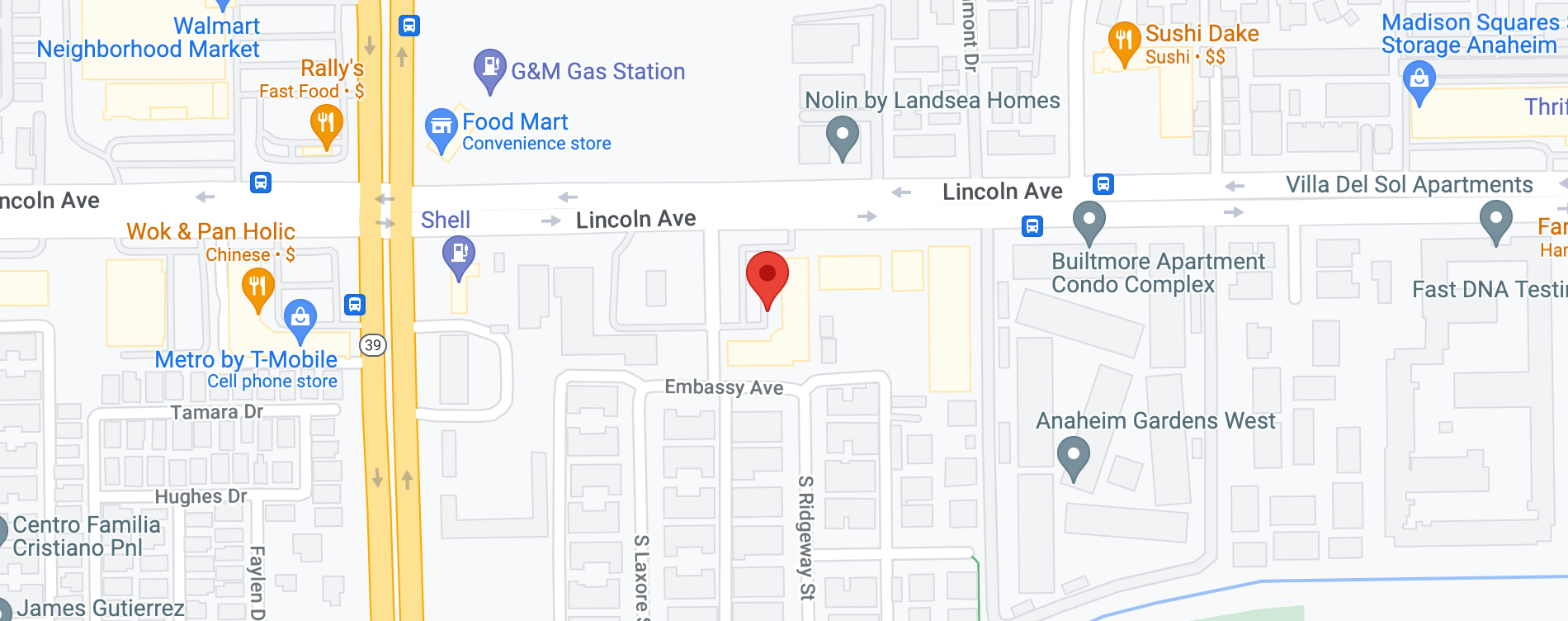
Do not be confused by your insurance policy and fail to meet your goal of having a beautiful, healthy smile. Our professional staff at Anaheim dentist is ready to assist you in understanding and maximizing your dental insurance benefits. We will also collaborate directly with your insurance company to determine your coverage and develop a comprehensive treatment plan to restore your oral health and give you a smile you can be proud of. Call us today to schedule your appointment at 714-995-4000.