
Dental veneers and crowns are popular choices for restoring damaged teeth. Dentists recommend preserving as much of a natural tooth as possible during restoration. However, veneers and crowns are used in different applications. When you have minor damage to a tooth, such as a cavity, breakage, or a crack, your dentist can fill it using a safe and strong dental filling material. However, if the damage is severe but not too severe, your dentist can recommend a veneer to cover the damage and restore the tooth’s structure, shape, appearance, and functionality. Dental crowns are used for more severe damage that a dental filling or veneer cannot repair.
A competent dentist can help you determine the most suitable treatment for your specific needs. Here are some of the reasons you should choose dental veneers over crowns:
You Need a More Conservative Treatment
Tooth damage is a serious matter that affects the appearance, strength, stability, and functionality of a tooth. Although the tooth enamel is generally robust, it can be damaged by a cavity or severe trauma. Your natural tooth can develop a cavity, crack, break, or chip. Dentists recommend immediate restoration of a damaged tooth to prevent further damage and deterioration. Restoration also restores the beauty, strength, and functionality of the damaged tooth.
With so many ways to restore a damaged tooth in the field of dentistry today, you can opt for a more conservative treatment, whereby minimal tooth reduction is guaranteed. Some treatments, such as dental crowns, require the dentist to remove a significant portion of the damaged tooth to make room for the crown. Receiving a veneer requires minimal preparation, making the treatment more conservative and minimally invasive.
If you are uncomfortable undergoing significant dental preparation but still require a long-lasting treatment for your damaged tooth, consider dental veneers. A veneer is a thin layer of material attached to the front of a damaged tooth to cover an imperfection. It is made from a composite resin or porcelain material to mimic a natural tooth. You can use a veneer to cover a wide range of dental issues, including chips, cracks, unevenness, discolouration, or cavities.
Your Dental Issue is Minor
When you visit your dentist with a dental problem that requires restoration, they recommend treatment according to the severity of the matter. If you have a minor cavity, filling can restore the tooth’s structure and functionality. However, a slightly larger cavity, or other issues such as discoloration or unevenness, will require a different treatment approach. In this case, the dentist can recommend a dental veneer.
Although veneers can last for between 5 and 20 years with proper care, they cannot restore a severely damaged tooth. This is because they are thin and translucent, and are only placed on the front part of the damaged tooth. Thus, if your dental issue is minor or you want to enhance the appearance of your natural teeth, you can opt for veneers.
If your dentist agrees that dental veneers are the proper treatment for you, they can start treatment right away. You need local anesthesia since the dentist will prepare the teeth for the veneer. However, remember that minimal preparation is done on the teeth for the placement of a veneer. The preparation involves reshaping the teeth and slightly roughening their surface to ensure proper attachment of the veneer. The dentist will then take impressions of the prepared teeth to create dental veneers in a dental lab. Once they are ready, the dentist will place them, make any necessary minor adjustments, and cure them in place.
You Need Dental Restoration on a Budget
Dentists also consider your budget when recommending treatment for your damaged teeth. If you want to restore multiple teeth, the cost can go considerably higher if you choose a treatment like dental crowns. Typically, a dental crown costs from $800 to $2,500 per tooth. This is the amount you pay out of pocket if you do not have insurance. The price can increase depending on the type of dental crowns you choose, the complexity of the treatment process, and any additional treatments or services you may need from the dentist. Further treatment, in this case, can include core buildup or X-ray examinations.
If you are on a strict budget, dental crowns may be unaffordable. In this case, your dentist can recommend veneers as a cost-effective alternative treatment. You can get a veneer for as low as $250 per tooth. However, even the cost of veneers depends on whether you will choose porcelain or composite resin material. Porcelain veneers are costlier than composite ones. The overall cost of your treatment will depend on the number of veneers required, the complexity of your case, any additional treatments, and your dentist’s expertise.
Although dental veneers are considered a cosmetic procedure, your insurance policy can cover part of your treatment if you prove that your treatment has preventive or curative benefits.
You Need a More Aesthetic Appeal
Your smile is the first thing people notice when they meet you. It creates a lasting impression, which has a significant impact and determines how people perceive or treat you in the future. Thus, if your teeth are imperfect, consider taking steps to improve your smile for this purpose. A beautiful smile will also improve your mood, boost your confidence, and make you more approachable and friendly. Restoring damaged teeth is a great way to enhance your smile and boost your confidence today.
When it comes to enhancing your aesthetic appeal, dentists often recommend cosmetic dental procedures, such as dental veneers and crowns. These two treatments are also restorative and conservative, offering benefits that extend beyond aesthetic appeal. However, if you must choose one, veneers provide a more aesthetically appealing option than dental crowns. This is because they are placed at the front of the problematic tooth, rather than on top, like a crown.
A dental veneer covers your imperfect teeth, giving you a completely different and more appealing look. If your teeth are stained, discolored, cracked, or chipped, you can instantly improve their appearance by receiving veneers. They are mostly recommended for the front teeth, to improve your smile, and boost your confidence.
To Preserve More of Your Natural Teeth
Your teeth are naturally strong and beautiful. Although their appearance and strength reduce as you age, they function better than any artificial teeth you can receive. You enjoy optimal speech and chewing function due to your natural teeth. You can maintain your facial structure over the years and protect your jawbone from density loss. Having your natural teeth in place is also suitable for a perfect bite.
However, tooth damage affects your teeth’s strength and appearance, and may put you at risk of tooth loss. Dentists strive to save your natural teeth whenever possible before considering replacement.
When recommending dental restoration procedures, dentists prioritize treatments that will preserve more of your natural teeth for their strength and stability. Dental veneers are your best choice because they involve the removal of only a small part of your natural teeth as the dentist prepares you for the restoration. Dental crowns require more intense preparation, meaning that more of your natural teeth are removed. This leaves your natural tooth weak and vulnerable to further damage.
If you want to restore your damaged teeth while preserving as much of the original teeth as possible, consider veneers. The minimal preparation does not affect the structure of your natural teeth. Instead, your teeth remain strong and stable, and the treatment does not affect your chewing or speech functionalities.
For Quicker Results
Except in accidental situations, it takes time for your teeth to be damaged to the extent that they affect your smile and confidence. For example, a cavity begins with a minor buildup and gradually extends over time. A simple crack or chip can become severe over time. However, many people are always looking for instant dental restorations. Although this is not possible, you can receive same-day results with dental veneers.
When compared to veneers, dental crowns require more time due to the prior preparation needed on the damaged tooth for proper fitting of the crown. Before the preparation, the dentist will treat any underlying issues you may have. For example, if you have an oral infection that affects the underlying structures of your tooth, the dentist will first perform root canal therapy to stop the infection from spreading. This can prolong the treatment, since you need time to recover from the root canal before receiving a crown.
Even without additional treatment, receiving a dental crown requires more than two visits to the dentist’s office. Creating a perfectly-fitting dental crown also takes time. This is not necessary when receiving dental veneers. After preparing your teeth for a veneer, the dentist can place it on the same day, providing you with almost instant results. You can start enjoying your improved smile immediately after the procedure is completed.
If You Want a Perfect Fit
Dental veneers and dental crowns fit differently on a damaged tooth. When placing a veneer, a dentist attaches it to your tooth using a strong dental cement and cures it in place using a specialized light. Since the veneer is an ultrathin material, it fuses completely with your natural tooth. This makes it stable, and it can remain so for years. Due to their perfect fit, dental veneers remain stable as you chew, bite, or speak. Your teeth function normally after the treatment, and you do not need time to get accustomed to the restoration.
This is slightly different from what happens when you receive a dental crown. A crown is placed at the top of an already-prepared tooth. It attaches to the front part of the tooth to restore its structure and strength. It alters the shape and structure of the damaged tooth. Thus, it may feel odd at first, and it may take some time to get used to it. After placement, you have to eat carefully to protect the crowns from damage.
Dental crowns can become unstable over time. This will affect how you chew, bite, or speak. When this happens, you need immediate replacement to protect the tooth from further damage or attack by harmful bacteria. The instability can also affect your bite and cause gum recession.
You Prefer Less Invasive Treatment
Some dental procedures, like dental crowns, are highly invasive. This is due to the intensive preparation required to attach a crown to a damaged tooth. If you have a cavity, a dentist must recover the affected part of the tooth and add more enamel to shape it in a way that the crown will fit perfectly. This can be invasive and painful. If you prefer a less invasive or less painful procedure, you can opt for veneers over dental crowns.
Dentists do not work so much on a damaged tooth to place a veneer. Although minimal preparation is done, the dentist will administer local anesthesia first to keep you calm and comfortable during the procedure. The preparation only takes a few minutes, which is not enough to cause anxiety or discomfort.
You do not experience pain or discomfort after receiving a veneer due to the minimal preparation required. Although the dentist will recommend taking pain medication for a few days after the procedure, you can resume your daily tasks from where you left off immediately after treatment.
Additionally, a less-prepared tooth is less sensitive than a severely-prepared tooth. You do not typically experience tooth sensitivity after receiving a veneer, unlike after a dental crown. Thus, you can eat, speak, and do so much as you usually would with your natural teeth.
Choose Veneers for Reduced Risk of Nerve Damage
The intense preparation of your tooth before receiving a dental crown can result in nerve damage. This can also occur if trauma, infection, or irritation develops after receiving a crown, resulting in pain, numbness, persistent sensitivity, or tingling. Your dentist will warn you about symptoms like these, prompting you to seek immediate treatment once you experience them. A mild case of nerve damage can cause tooth sensitivity that typically subsides within one to two days. However, severe damage can require immediate treatment, including crown replacement, adjustment or root canal therapy.
If you prefer a safer treatment with a reduced risk of nerve damage, you can opt for dental veneers. The little preparation of your tooth does not affect its underlying structures. Therefore, you do not experience severe side effects, like pain and sensitivity.
Additionally, dental veneers sit on the tooth’s surface. They do not put you at risk of infection, which could result in root canal therapy. In the event of damage, the dentist can replace the veneer without causing further harm to your tooth.
Veneers are Easy to Maintain
Proper maintenance after dental restoration is critical for long-term service and to protect your teeth from further damage or additional dental issues. Your dentist will send you home with a to-do list that will ensure your teeth remain strong and healthy as long as you have the dental veneer in place. Proper maintenance will also keep the veneer in place, so you will not have to spend more money on dental restoration soon. This saves you money and time, and the agony of having an imperfect tooth.
When compared to dental crowns, veneers are stress-free to maintain. Maintaining good oral hygiene habits is essential to protecting your veneers and teeth from harmful bacteria. Since veneers fit perfectly on the teeth, they do not trap foods and drinks that can cause inflammation, cavities, or oral infection. Brushing twice daily and flossing will keep your mouth clean enough to protect your teeth and gums.
Additionally, dentists recommend visiting a dentist’s office regularly for routine checkups and examinations. Your dentist will inspect the status of your veneers and provide additional recommendations, if necessary, to help maintain them. They will also provide immediate treatment for any dental issue that can damage them.
Veneers for Faster Recovery
If you cannot afford a prolonged recovery after a dental procedure, consider dental veneers as an alternative. Due to the minimal preparation required for a veneer, you will not experience pain after the procedure. Thus, you will not need to set time aside to recover before resuming your usual tasks. You can easily drive yourself to the dentist’s office and drive back home after the treatment, once the anesthesia wears off. You can actually return to work the next day after the procedure.
Find an Experienced Dentist Near Me
Dental restoration is required after tooth damage to restore the look, functionality and strength of a tooth. You can opt for dental veneers if you have minor damage, or crowns in case of severe damage. Your dentist will examine your teeth and gums first to determine your suitability for veneers or crowns. If you can benefit from both options in Anaheim, consider veneers because they offer quicker results, the treatment is less invasive, and they provide more beautiful results.
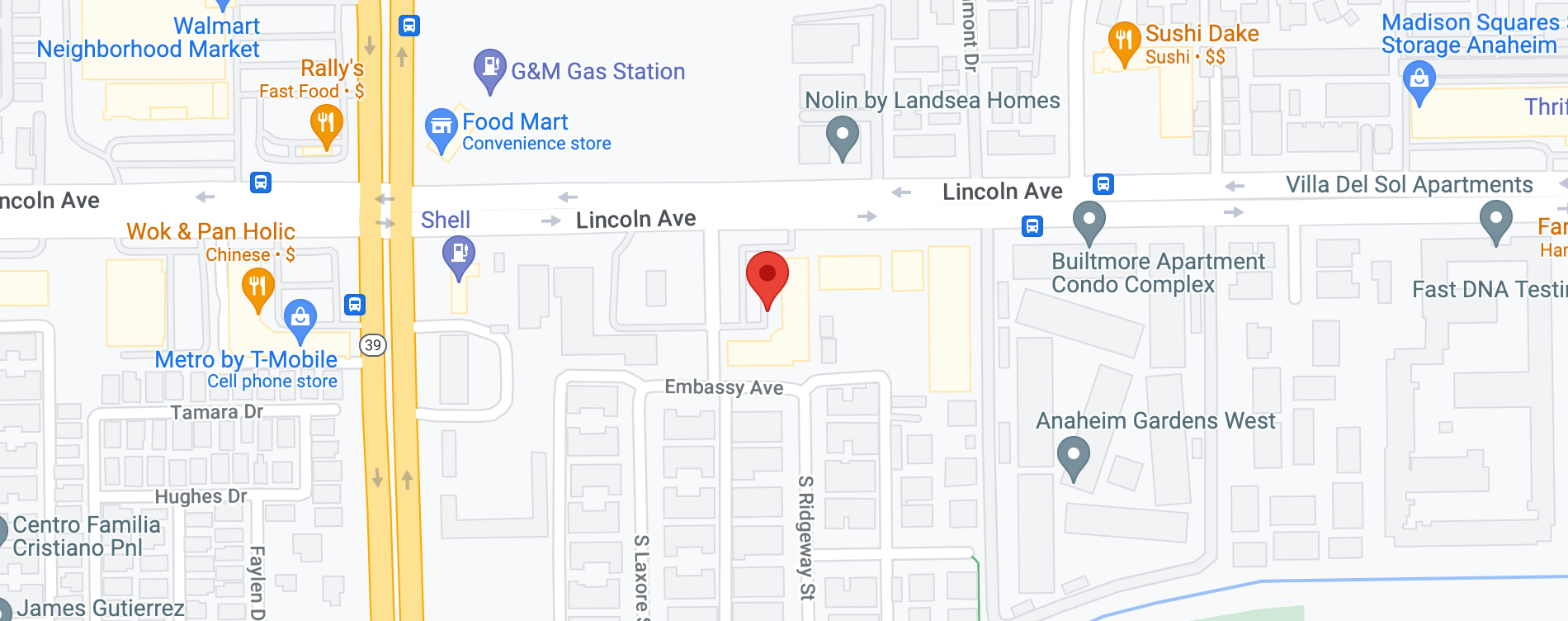
We have experts in dental veneers at Anaheim dentist. We can walk you through the treatment procedure so you understand what to expect and the potential benefits and drawbacks. We also offer quality dental restorations that can last for years with proper care. Please call us at 714-995-4000 to discuss your needs and our services in more detail.